Practical information Costa Rica
You'll find here the practical information that Mathieu and our team based in San José verify and update throughout the season. Regarding formalities, French nationals enter without a visa for a tourist stay of up to 180 days, with a passport valid for at least six months and a departure ticket from the country. No vaccine is mandatory unless you arrive from a yellow fever country, but we recommend being up to date on universal vaccines and hepatitis A. Malaria is virtually absent, dengue circulates in humid areas during the rainy season. Budget-wise, plan between 90 and 160 euros per day and per person excluding international flights, depending on the comfort of accommodations and use of domestic flights (Sansa, Skyway). The currency is the Costa Rican colón but the US dollar is accepted almost everywhere, bank cards work in cities and tourist areas. The climate varies greatly depending on the slopes: dry season from December to April on the Pacific side, transition in May, rainy season from June to November with rain in late afternoon. The Caribbean coast follows an opposite calendar, with an interesting window in September-October. On the ground, renting a 4x4 remains the best compromise between freedom and comfort, knowing that distances are short but mountain roads slow travel considerably. The country is generally safe, with usual precautions in the outlying neighborhoods of San José.
Plan your trip by theme
Explore our practical guides organized by category to quickly find the information you need.
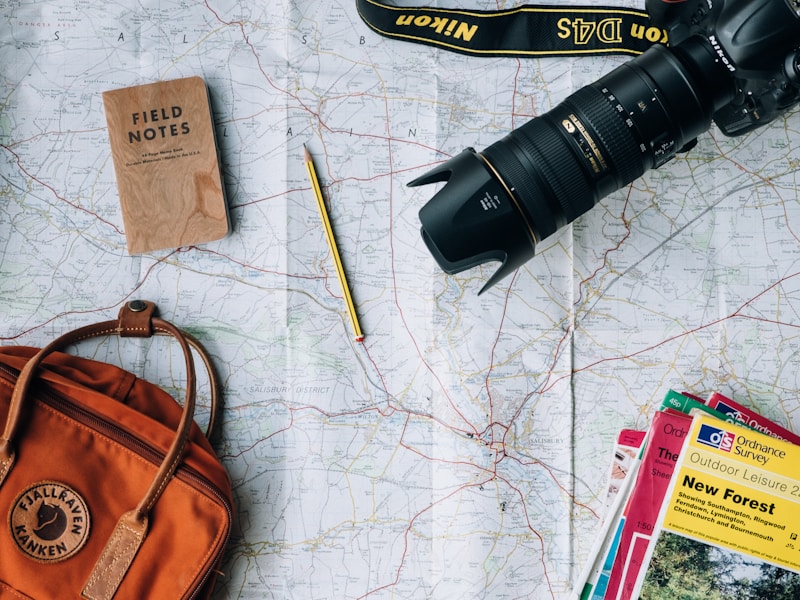
Before You Go
Valid passport for 6 months, visa-free entry up to 180 days, onward ticket required, travel insurance recommended.
1 article
Budget Amount
Costa Rican colón, dollar accepted everywhere, budget range 90 to 160 € per day, major credit cards accepted, 10% tip customary.
1 article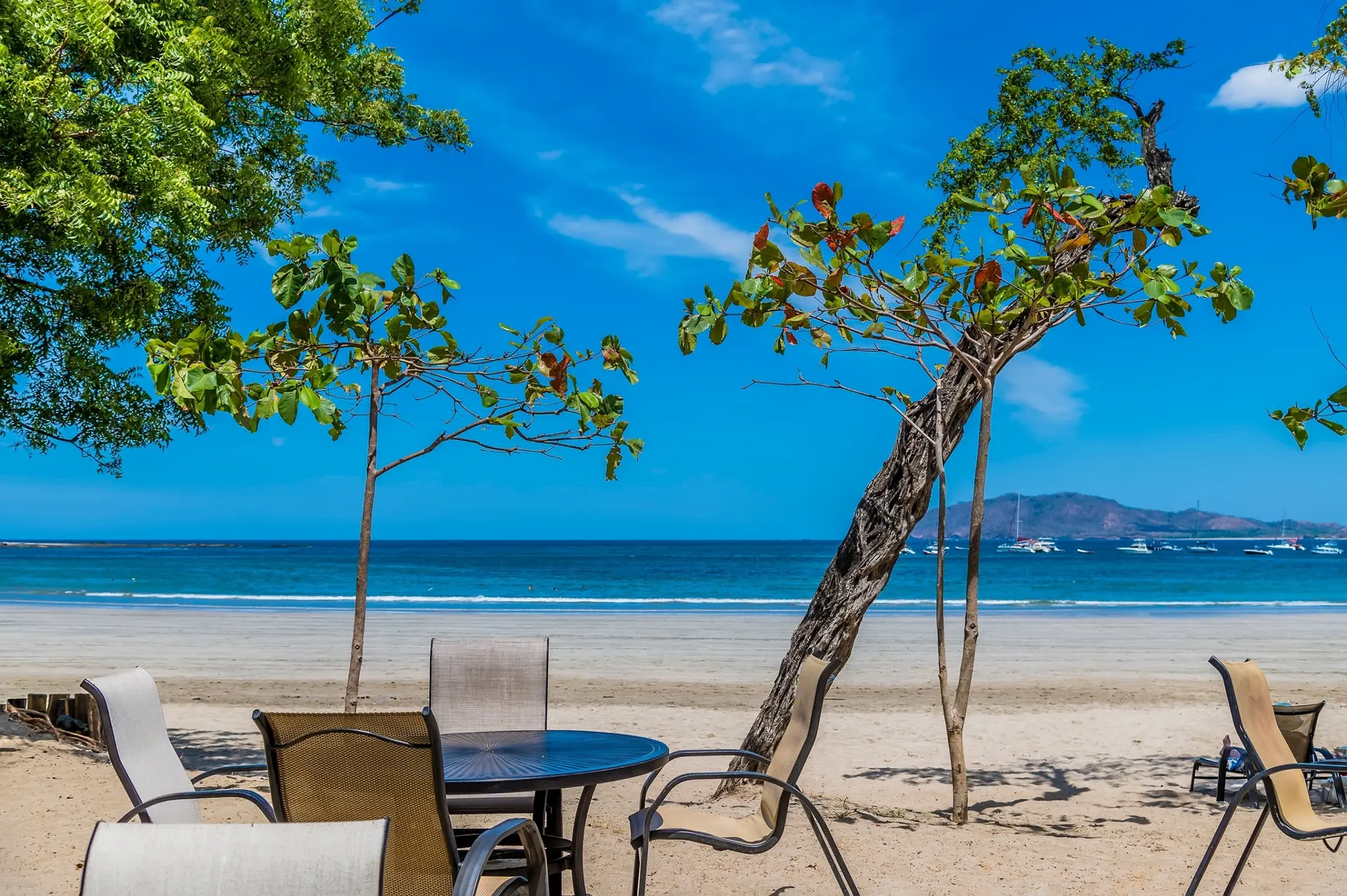
Climate Season
Dry season December-April on the Pacific side, humid May-November, reverse calendar in the Caribbean, stable temperatures 22-30°C.
1 article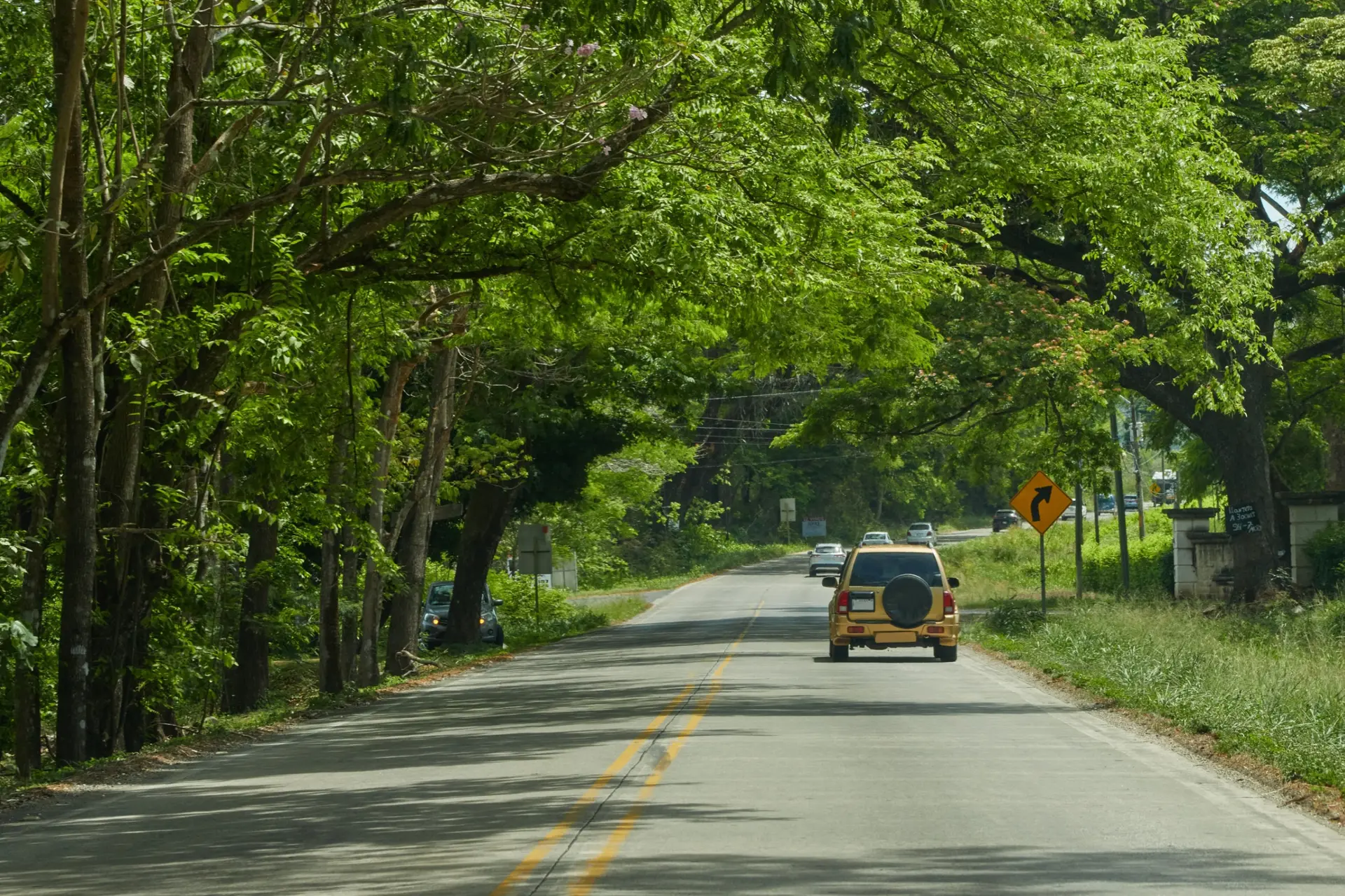
Transports
Recommended 4x4 rental, Sansa domestic flights, boats for Tortuguero and Drake Bay, reliable but slow local buses.
1 article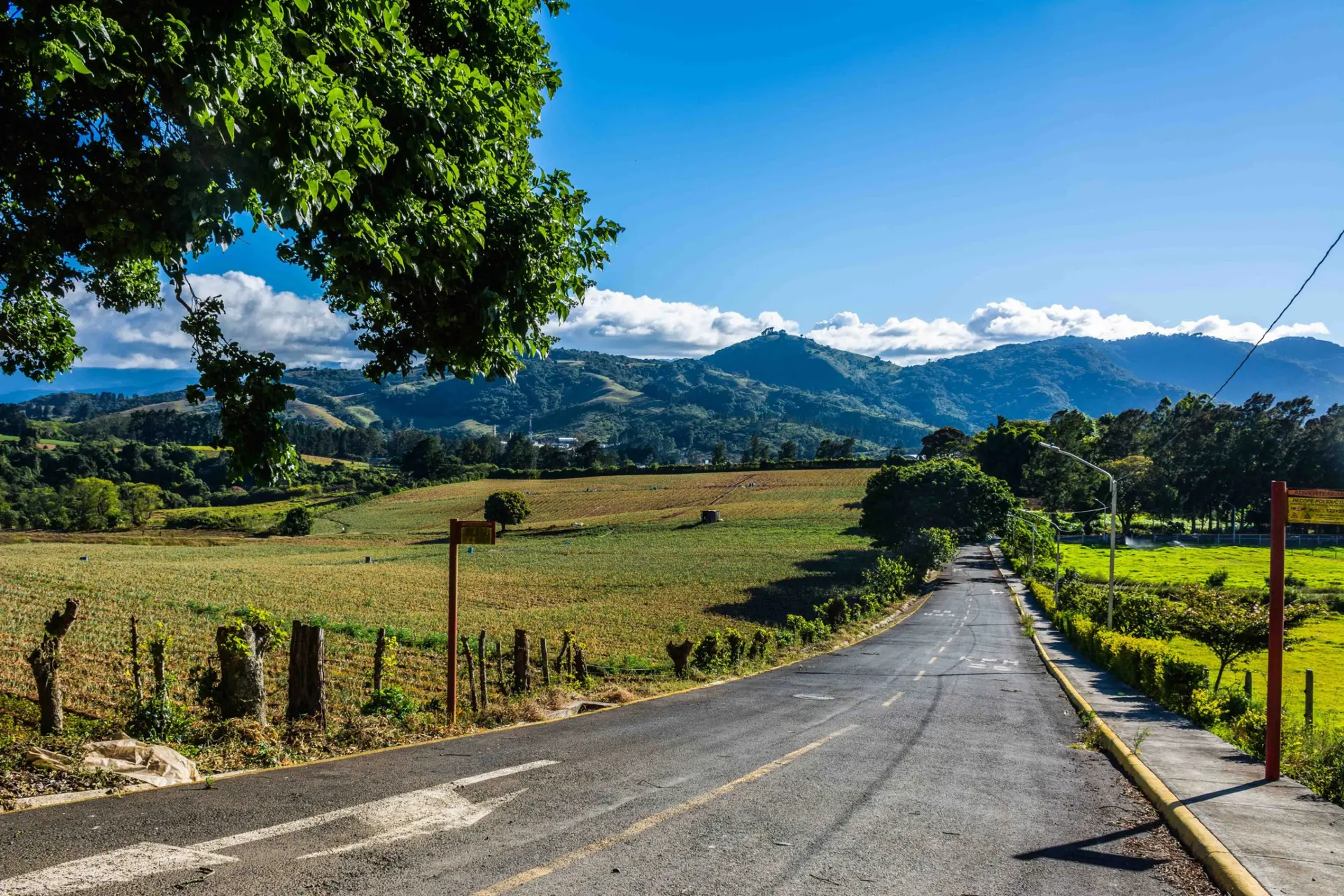
Culture
Pura vida as a way of life, flexible punctuality, casual dress code, Creole on the Caribbean coast, very warm welcome.
3 articles
Useful Tips
Tap water safe to drink in most regions, type A/B outlets, decent 4G coverage, exercise caution with valuables in cities.
5 articlesAll practical guides
Search and filter among 12 articles



12 of 12 results
Frequently asked questions
The answers to the most frequently asked questions from our travellers.
No, French, Belgian, Swiss and Canadian nationals enter Costa Rica without a visa for tourist stays of up to 180 days. Your passport must be valid for at least six months from your arrival date and have at least one blank page. Migration authorities systematically require proof of an onward ticket upon arrival (return flight or continuation to a third country) as well as an accommodation address for the first nights. No prior formalities are required – the stamp is issued directly at San José or Liberia airport. For longer stays or trips combining Panama or Nicaragua, our team will clarify the specific requirements on a case-by-case basis.
No vaccines are mandatory to enter Costa Rica from Europe. Yellow fever is only required if you transit for more than twelve hours through a high-risk country (Colombia, Peru, certain African countries). We recommend being up to date on routine vaccinations (DTP, MMR), as well as hepatitis A and typhoid if you travel for extended periods or off the beaten path. Hepatitis B and rabies should be discussed based on your profile. Malaria is virtually non-existent, no preventive treatment is necessary. Dengue circulates during the rainy season in low-lying coastal areas; the best approach is to use anti-mosquito repellent. A consultation at an international vaccination centre one month before departure remains ideal.
Costa Rica is more expensive than its Central American neighbors. Excluding international flights, expect between 90 and 160 euros per day and per person for mid-range accommodation, meals included. A night in a comfortable lodge ranges from 80 to 150 euros, a local dinner between 8 and 15 euros, a casado (traditional dish) around 7 euros. Renting a 4x4 costs 60-90 euros per day, with fuel at approximately 1.30 euros per liter. National park entrance fees range from 12 to 20 dollars. For a 14-day tour with charming accommodations, naturalist guides and an internal flight, budget approximately 2,500 to 3,500 euros per person excluding international flights.
The dry season runs from mid-December to late April on the Pacific slope and in the central valley, with clear skies and temperatures between 25 and 32°C on the coast, cooler at higher elevations. This is high season, so book several months in advance. The green season, from May to November, offers lush landscapes, fewer crowds, and better rates; rain typically falls in late afternoon. September and October are the wettest months on the Pacific side but paradoxically the driest on the Caribbean side, making it a good window for Tortuguero and Puerto Viejo. To see humpback whales at Uvita, aim for July-October or December-March.
The 4x4 rental remains our primary recommendation for those who want to explore multiple regions at their own pace. Main roads are paved but often narrow and winding, with some access points (Monteverde, Drake Bay) remaining on unpaved tracks. Average speeds on secondary roads are around 50 km/h. Domestic flights with Sansa connect San José to Quepos, Drake Bay, Tortuguero, or Tamarindo in 30–50 minutes, a convenient way to avoid long drives. Public buses are reliable and economical but slow. Tortuguero is accessible only by boat from La Pavona. We also arrange private transfers with a driver if you prefer not to drive yourself.
Costa Rica is one of the safest countries in Central America, with long-standing political stability and no army since 1948. Tourist areas (Arenal, Monteverde, Manuel Antonio, Guanacaste, Osa) present no particular risk beyond standard precautions: do not leave valuables in your car, avoid deserted beaches at night. In San José, certain outlying neighborhoods like Pavas or the surroundings of Coca-Cola station are best avoided in the evening. Regarding natural hazards, follow safety guidelines in parks (snakes, ocean currents, crocodiles in certain estuaries). Our team in San José remains available 24/7 throughout your stay for any questions or unforeseen circumstances.
Ready to travel to in Costa Rica?
Discover our tailor-made itineraries, designed by our local team. Each route adapts to your pace, your preferences and your travel season.
See our toursWe use cookies to improve your experience and measure our site's audience. You can choose what you accept. Learn more.