Complete Costa Rica Guide
Our team based in San José has been exploring Costa Rica for years, from the beaches of Guanacaste to the misty ridges of Monteverde. This small Central American country, barely larger than Switzerland, concentrates nearly 6% of the world's biodiversity across a territory stretching between the Pacific and the Caribbean. You'll encounter three-toed sloths in the trees of Cahuita, resplendent quetzals in the forests of San Gerardo de Dota, and humpback whales off the Osa Peninsula between July and October.
Four major regions structure a coherent itinerary. The central valley around San José, with its coffee plantations and volcanoes (Poás, Irazú). The volcanic north with Arenal and the highland forests of Monteverde. The southern Pacific and Osa Peninsula, home to Corcovado National Park, one of the planet's densest tropical ecosystems. Finally, the Caribbean coast, more Creole and more laid-back, around Puerto Viejo and Tortuguero.
The road network is generally adequate, but distances can be deceiving: allow 4 hours for 150 km in mountainous terrain. For a first trip, we recommend combining two or three regions over 12 to 15 days rather than trying to see everything.
The regions of Costa Rica
Each region has its own personality: climate, landscapes, pace of life and ways of traveling. Our local team helps you choose the combination that suits you.
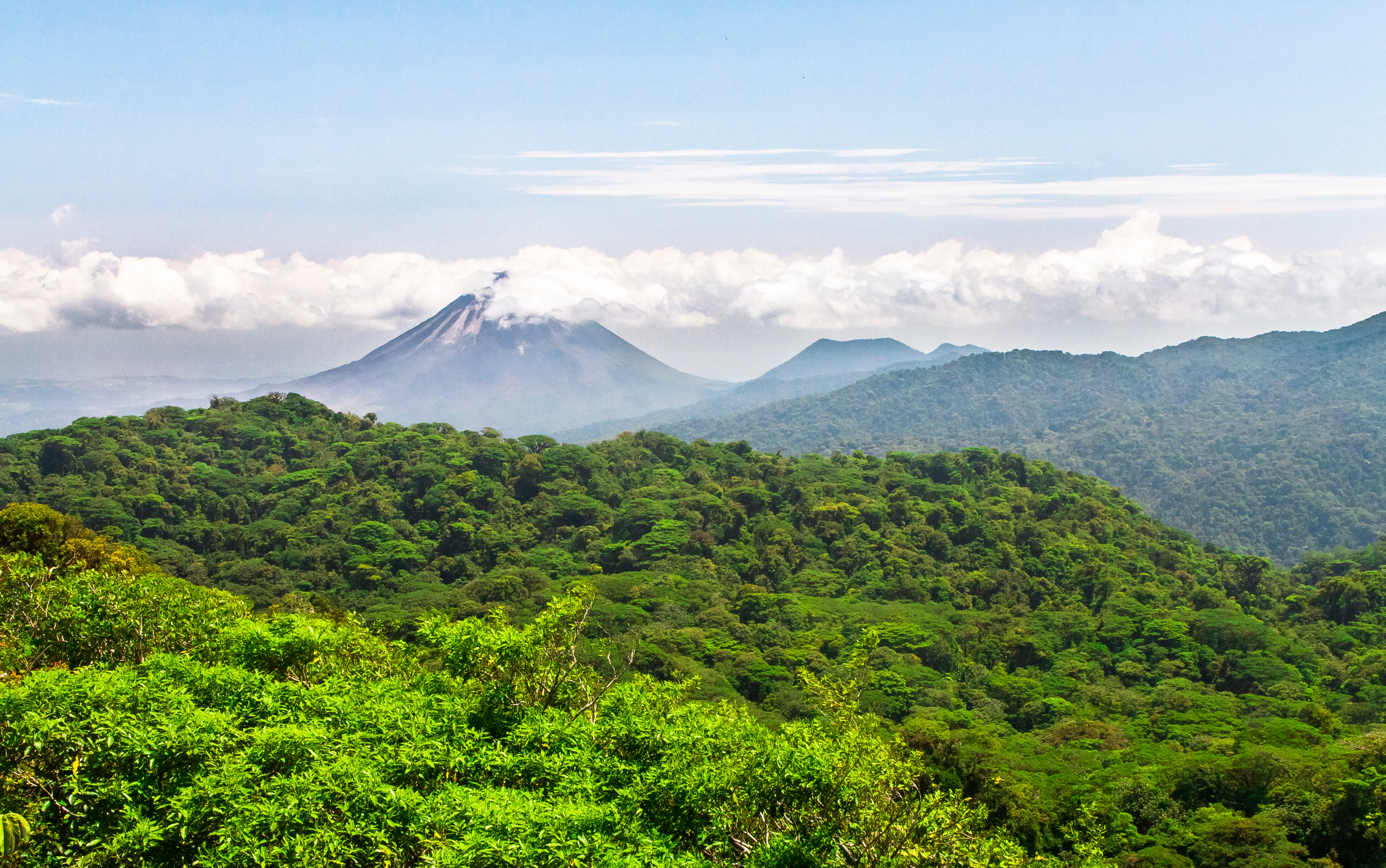
Central Valley
The heart of the country, around San José, Alajuela and Cartago, perched between 1,100 and 1,500 meters above sea level. Temperate climate year-round, around 22°C during the day. This is where coffee plantations (Doka, Hacienda Alsacia) and accessible volcanoes concentrate: Poás with its turquoise acid crater, Irazú which stands at 3,432 meters. The villages of Sarchí and Grecia preserve the craft of painted oxcarts. Many travelers pass through the region without stopping, which is a shame: two days are enough to visit a coffee farm, a volcano and San José's central market.
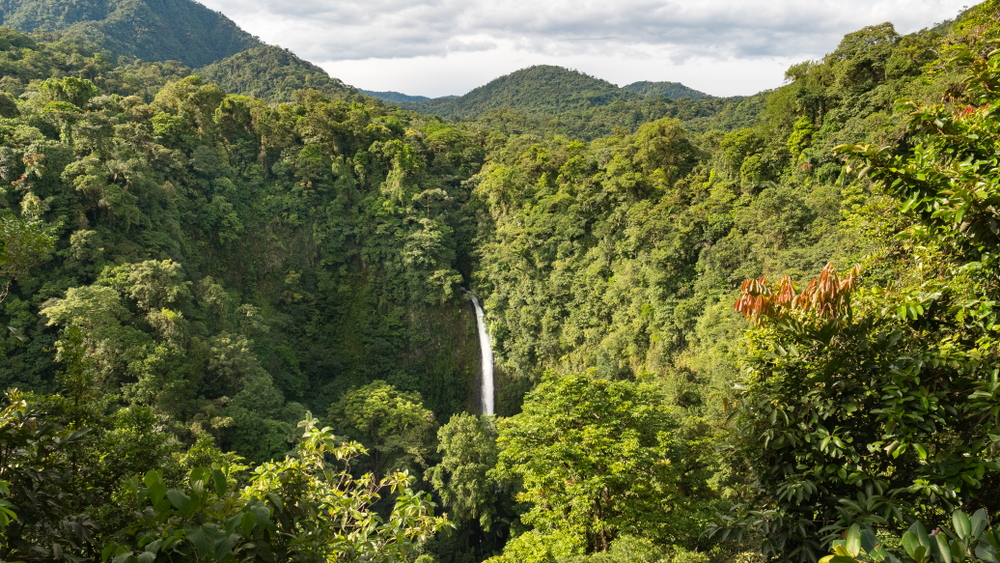
Arenal and Monteverde
The volcanic north brings together two complementary atmospheres. Around La Fortuna, the almost perfect cone of Arenal volcano dominates a landscape of hot springs, suspension bridges and waterfalls (Río Fortuna, 70-meter drop). Three hours' drive away, you enter Monteverde's cloud forest, between 1,400 and 1,800 meters, where Santa Elena's trails disappear into permanent mist. Cool evenings with temperatures of 14 to 18°C, so bring a fleece. This is the prime zone for birdwatching, including quetzal sightings from March to May, and for adventure activities: zip-lining, suspension bridges, and night hikes.
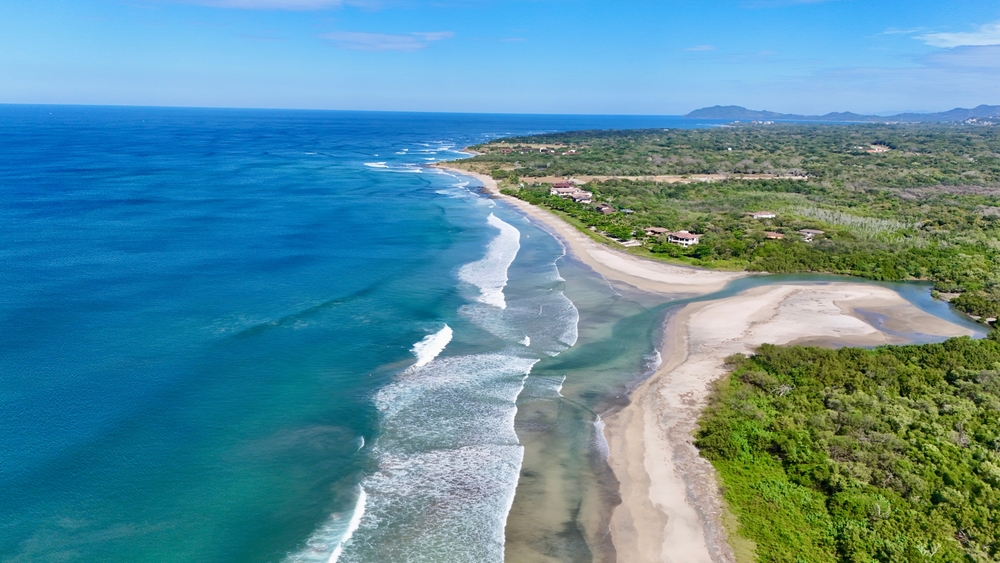
North Pacific and Guanacaste
The driest province in the country, with a rainless season spanning December to April and temperatures reaching 32°C. Beaches stretch from the Gulf of Papagayo to Samara: Playa Conchal with its crushed shell sand, Tamarindo for surfing, Nosara for yoga and calmer waves. Inland, Rincón de la Vieja National Park offers hikes through landscapes of fumaroles and volcanic mud pools. An ideal region to end a circuit with a few beach days, with straightforward road logistics from Liberia airport.
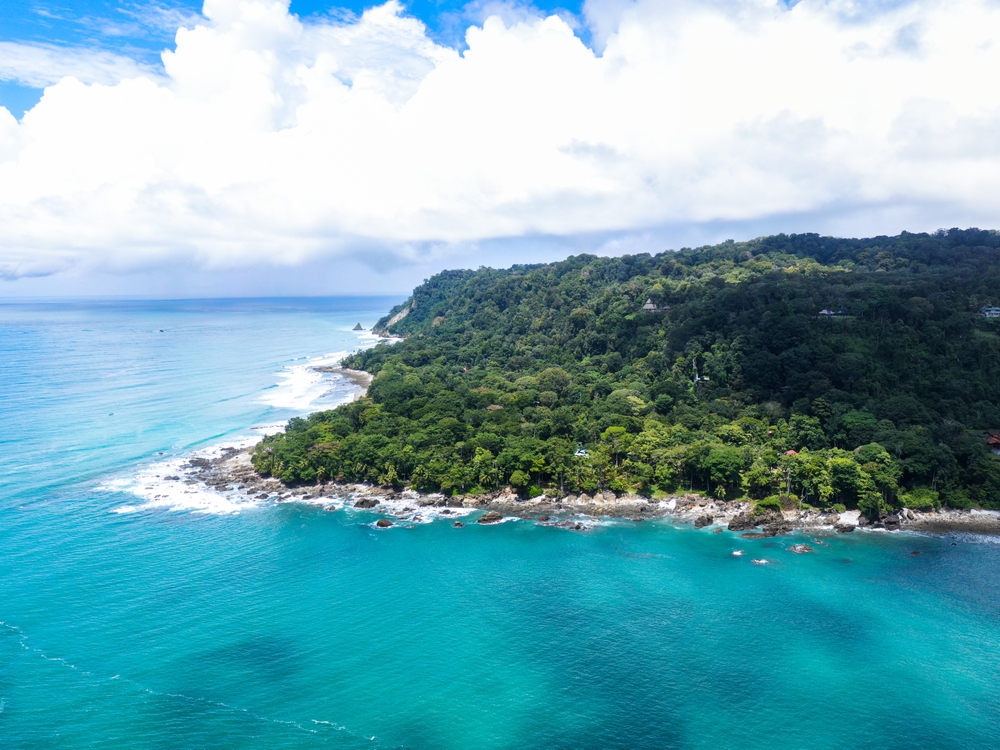
Osa Peninsula and South Pacific
The wildest region in the country, centered around Corcovado National Park. National Geographic called it the most intense ecosystem on the planet: jaguars, Baird's tapirs, scarlet macaws, four monkey species. Access is from Drake Bay by boat or Puerto Jiménez by 4x4. Further north, Uvita and Marino Ballena Park offer humpback whale watching from July to October and December to March. The rainy season runs from May to November, with tropical showers in late afternoon. Plan for at least three nights to experience Corcovado with a naturalist guide.
Caribbean Coast
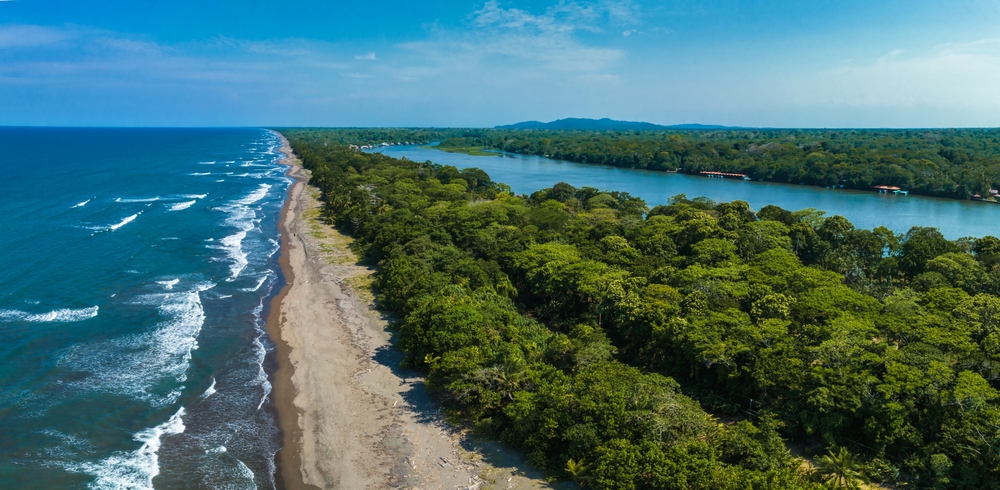
Another facet of the country, more Afro-Caribbean, where Creole is spoken and coconut milk rice accompanies grilled fish. In the north, Tortuguero is accessible only by boat through a network of canals: green turtle nesting from July to October. In the south, Cahuita and Puerto Viejo de Talamanca line beaches bordered by forest where sloths and howler monkeys live. The pace is slower there, accommodations simpler, reggae atmosphere. The season is more humid than elsewhere but with a small dry window in September-October, interesting to combine with the north Pacific at that time.
Explore by theme
Unique experiences tailored to every traveler.
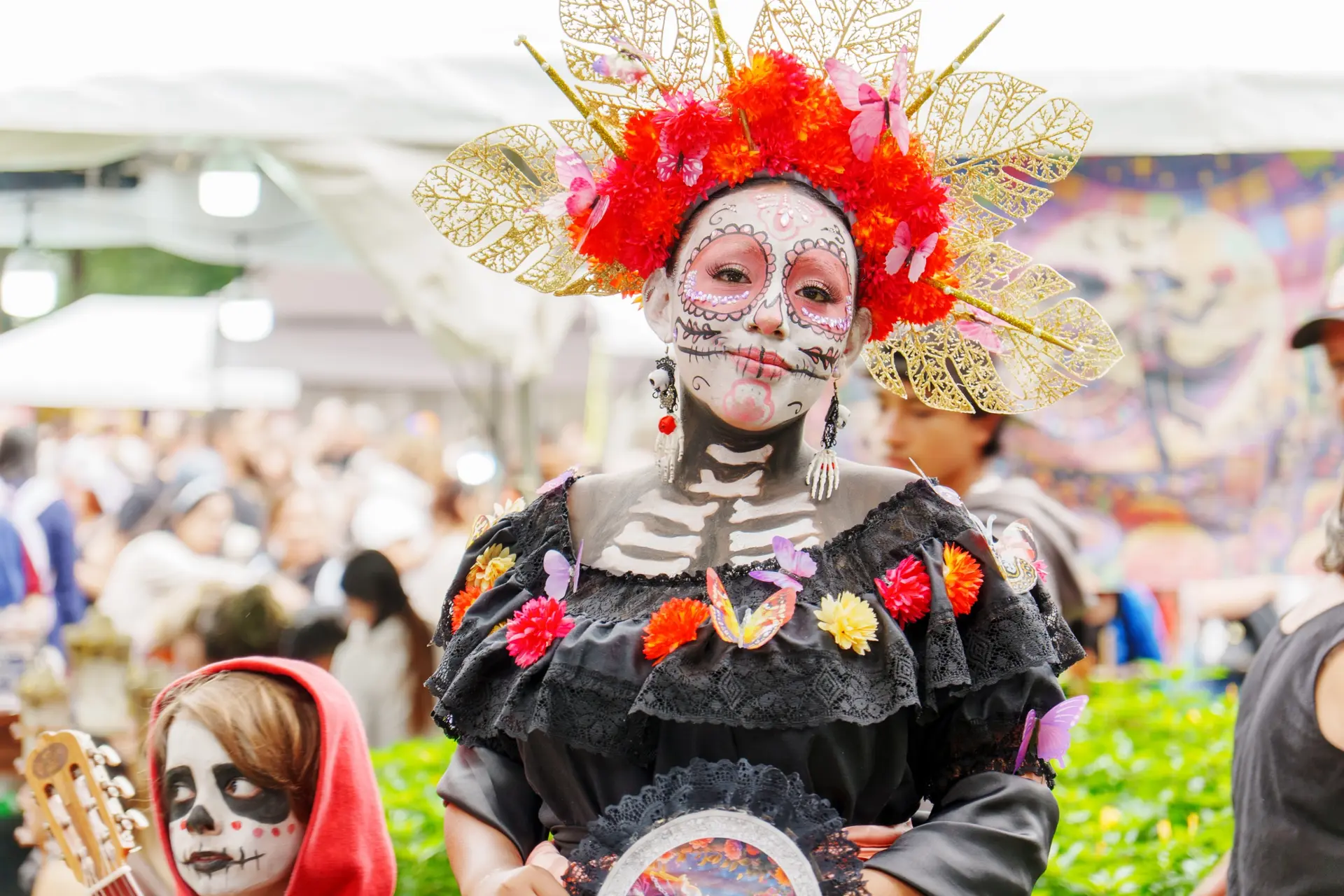
Culture & Heritage
Temples, musées, sites historiques
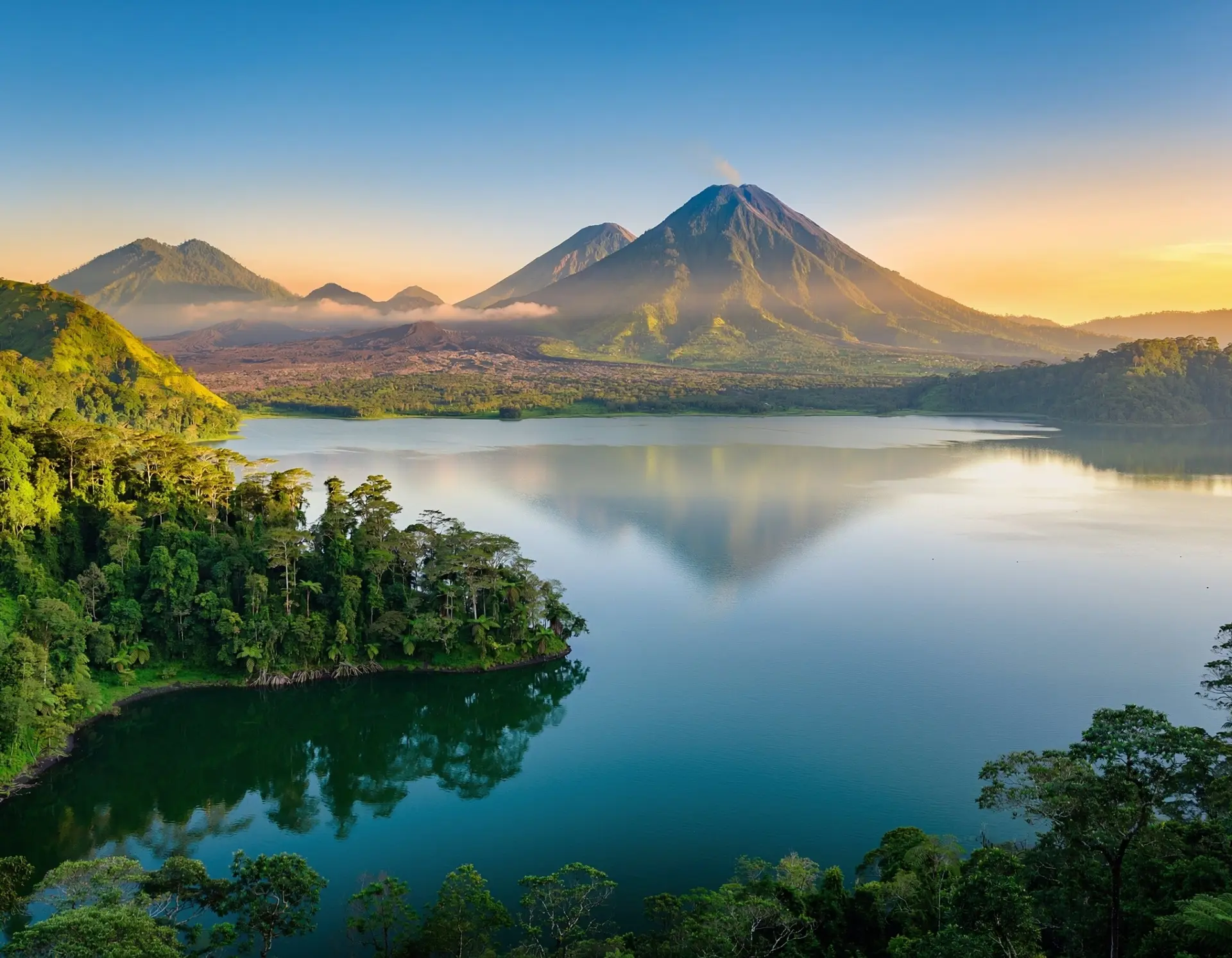
Nature & Landscapes
Parcs nationaux, montagnes, forêts
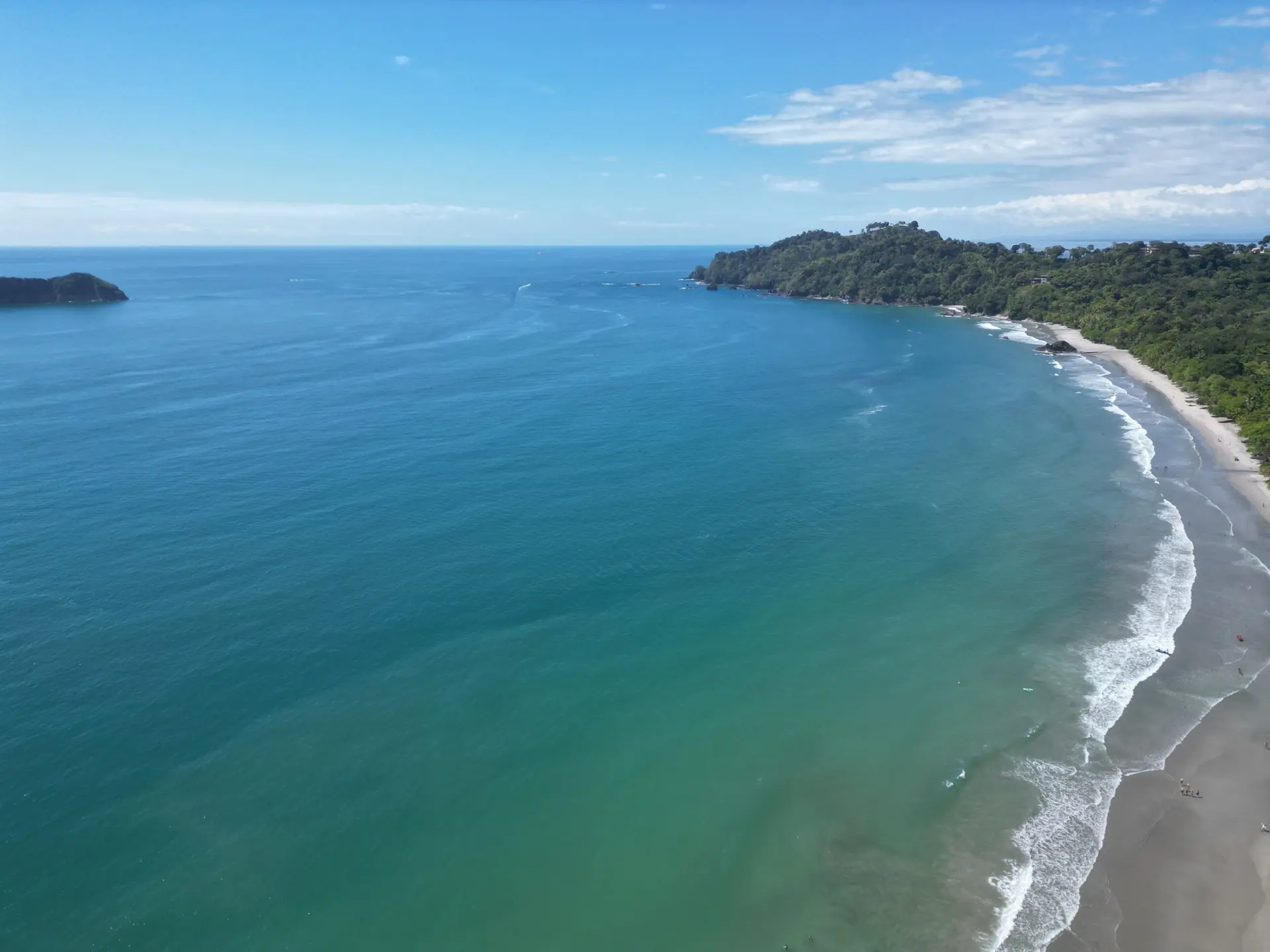
Sea & Beaches
Littoral, îles, sports nautiques
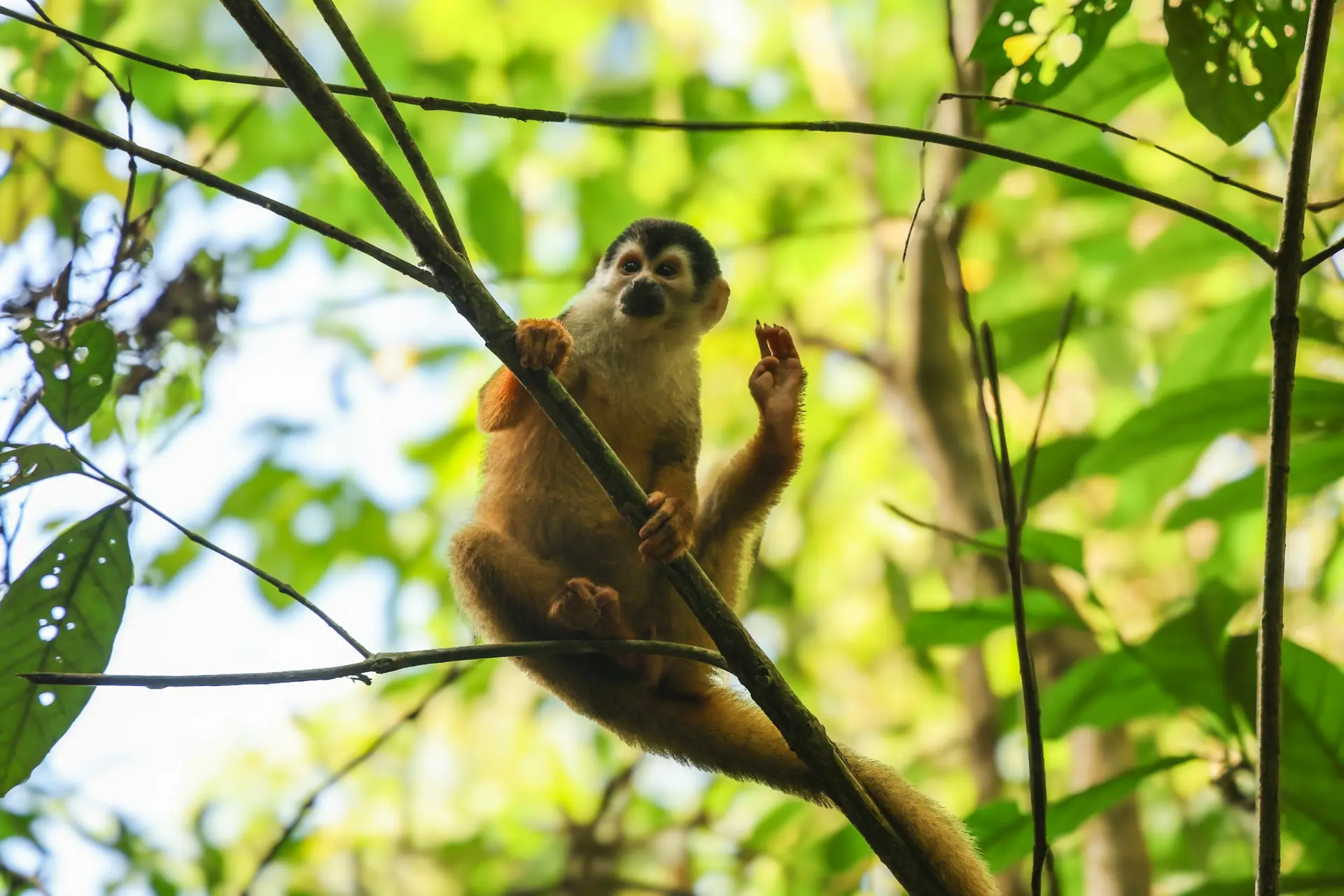
Wildlife & Biodiversity
Observation animale, sanctuaires, réserves
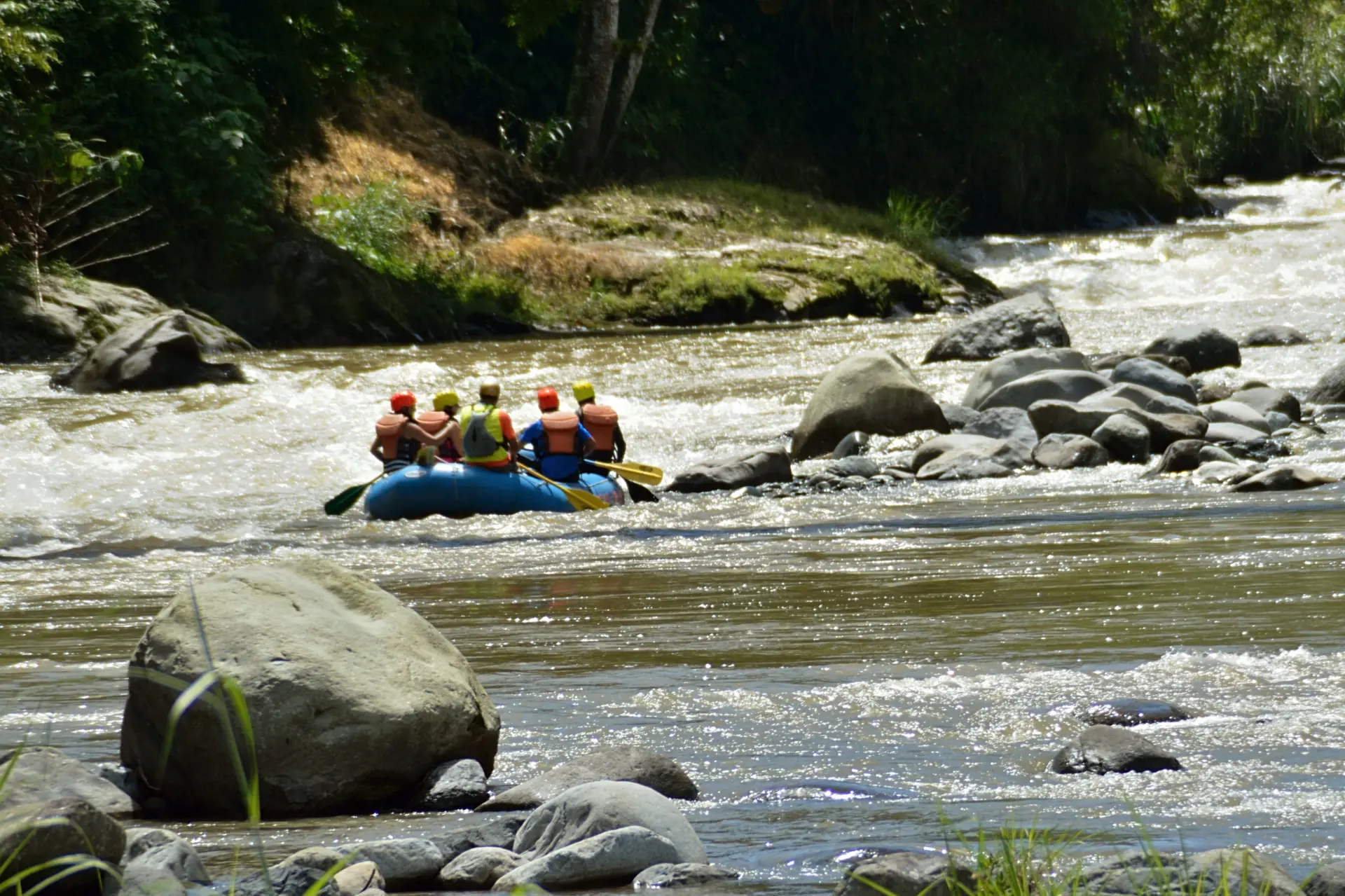
Activities & Adventure
Trek, kayak, escalade, sports outdoor
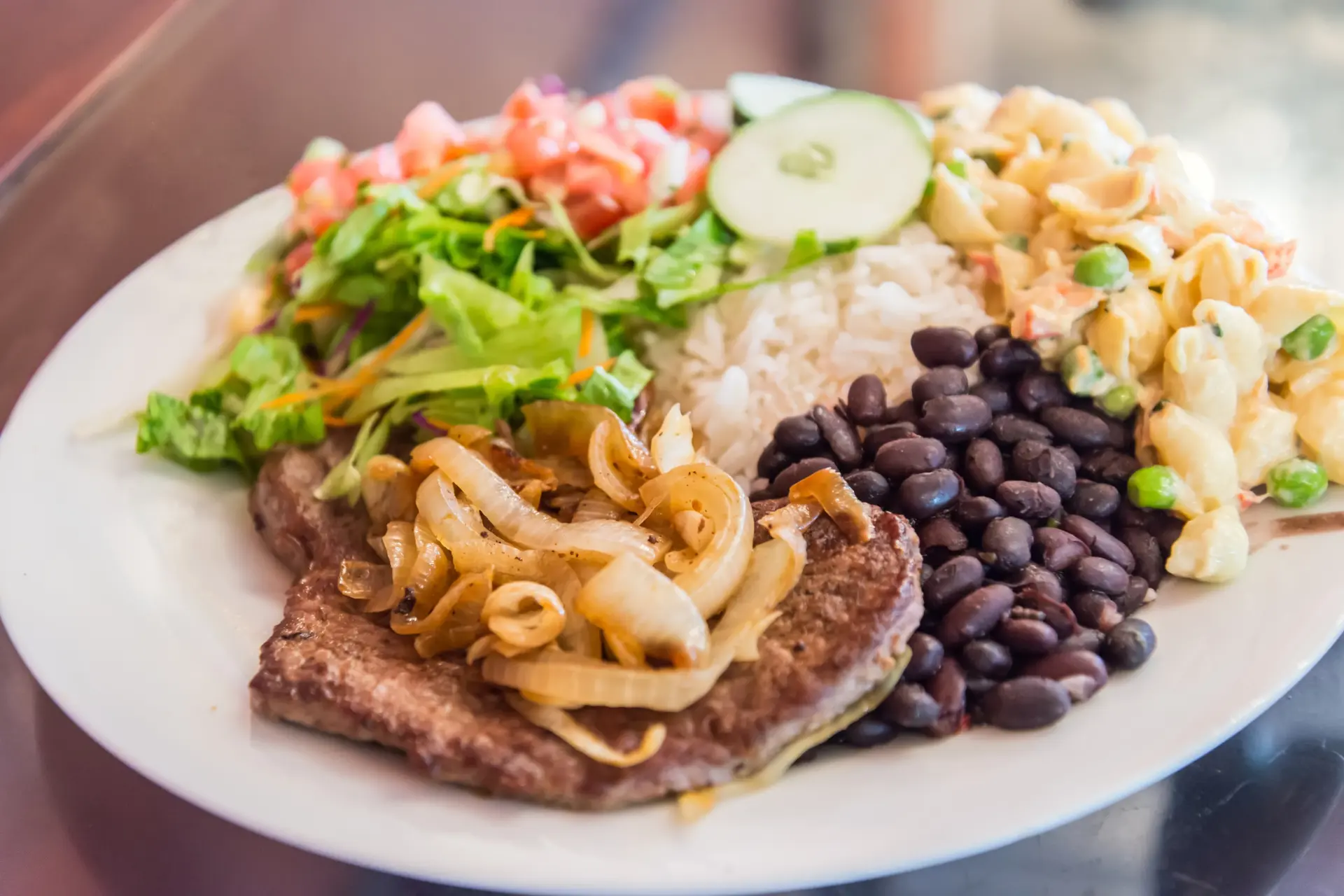
Gastronomy
Cuisine locale, marchés, cours de cuisine
We use cookies to improve your experience and measure our site's audience. You can choose what you accept. Learn more.