Corcovado National Park
Corcovado National Park
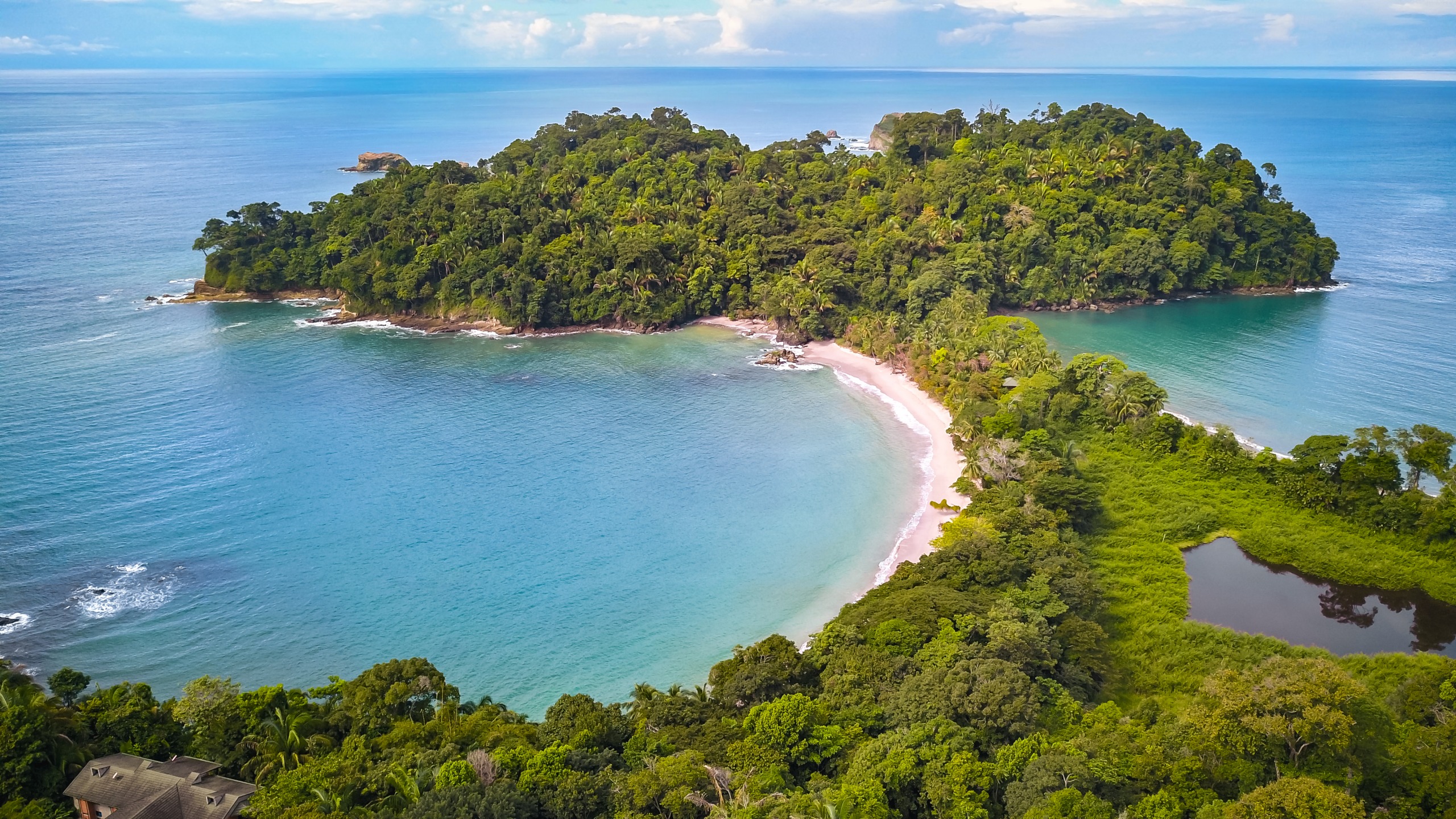
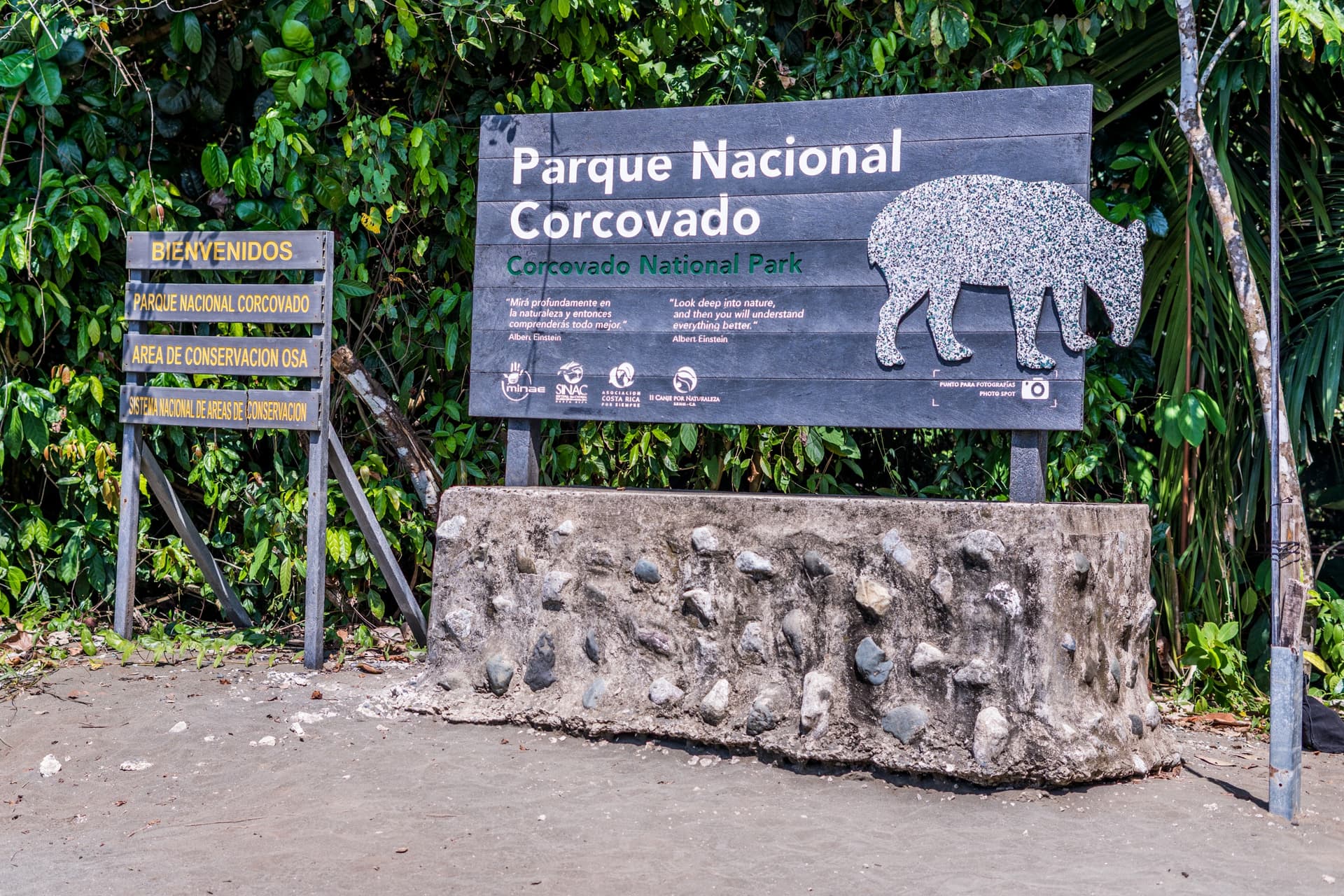
At the southern tip of Costa Rica, Corcovado National Park protects one of the Pacific's richest tropical forests, on the Osa Peninsula.
At the southern tip of Costa Rica, on the Osa Peninsula, Corcovado National Park protects one of the Pacific's best-preserved humid tropical forests. Spanning roughly 420 km², it concentrates a rare density of species on a global scale and remains accessible only by air, sea, or 4x4 track.
Why visit Corcovado Park
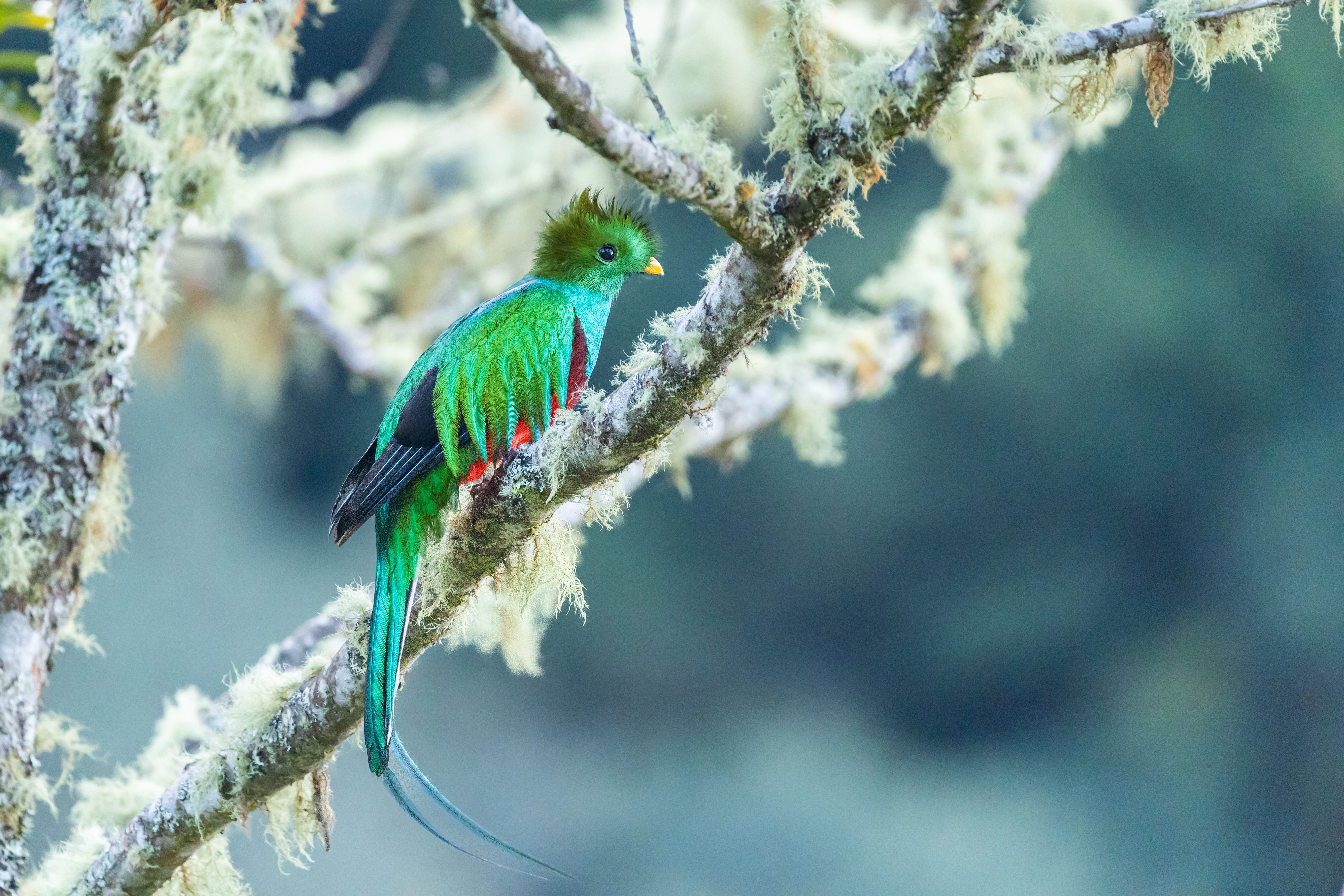
Corcovado is not a roadside park. The filtered access, the requirement to be accompanied by a certified guide for most trails, and the absence of heavy infrastructure make it a demanding yet coherent nature destination. The park is home to 140 species of mammals—roughly 10% of the American continent's mammals—117 reptile species, around 40 freshwater fish species, and over 6,000 estimated insect species. Spider monkeys, capuchins, howler monkeys, coatis, peccaries, two- and three-toed sloths, Baird's tapirs, and scarlet macaws are among common sightings. Jaguars and pumas are present but their observation remains exceptional.
History and conservation
In the 1970s, the Osa Peninsula faced mounting pressure from deforestation and illegal gold panning. Faced with the imminent disappearance of this ecosystem, the sanctuary was officially established on October 24, 1975, following scientific and political mobilization. The park quickly became a benchmark for Costa Rica's conservation model, which combines strict protection, research, and managed tourism. Former gold panners were gradually retrained or relocated, and several surrounding lodges now employ former residents as naturalist guides.
What to see and do
Primary forest and trails
Three major ranger stations structure the park: Sirena (at its heart, richest in wildlife), San Pedrillo (in the north, accessible from Drake Bay), and La Leona (in the south, accessible from Carate). The most popular itineraries are day-long round trips from these stations, or multi-day treks with overnight stays at Sirena station in dormitory-style accommodation. The trails wind through primary forest, river creeks, and deserted beaches in turn.
Marine and coastal wildlife
The park's Pacific coastline welcomes olive and green sea turtles during nesting season, as well as spotted dolphins. Between July and October, migratory humpback whales pass offshore. Boat outings from Drake Bay allow you to observe this wildlife without entering the terrestrial park.
Caño Island and pre-Columbian spheres
Some twenty kilometers offshore, Caño Island is accessible by boat from Drake Bay. A biological reserve distinct from Corcovado Park, it is one of the finest snorkeling and diving sites on Costa Rica's Pacific coast: stingrays, sea turtles, schools of tropical fish, reef sharks, and occasionally mobula rays or humpback whales depending on the season. The island also features several pre-Columbian stone spheres, whose origin and function remain unknown. Approximately 500 spheres have been recorded in Costa Rica, ranging from a few centimeters to over 2.5 meters in diameter, fashioned between 400 AD and the Spanish conquest—a span of roughly a thousand years.
Practical information
- Park access strictly regulated: a certified guide is mandatory and advance booking is recommended, through an agency or lodge.
- Modest entry fee, paid separately from guide and transport fees.
- Visit hours limited to daytime; wild camping is prohibited.
- Accommodation possible at Sirena station (dormitories, meals) by reservation.
- Bring hiking boots, long clothing, insect repellent, water, and rain protection even during the dry season.
When to go
The dry season, from December to April, remains the best period: trails are passable, river crossings safer, skies clearer. The green season (May to November) offers denser vegetation and more frequent humpback whale sightings, but certain tracks may be impassable and the San Pedrillo station sometimes closes in September–October, the wettest months.
How to get there
Two main entry points: Drake Bay to the northwest and Puerto Jiménez to the southeast. From San José or the central Pacific coast, several options exist:
- Direct domestic flight to Puerto Jiménez (roughly 50 minutes), followed by road transfer to Carate and then hiking to La Leona.
- 4x4 journey to Sierpe, then boat through the mangrove to Drake Bay.
- Flight to Palmar Sur, road transfer to Sierpe, then boat.
All excursions within the park are then conducted on foot, by boat, or a combination of both.
What to see in the region
The Osa Peninsula and the South Pacific coast offer several extensions coherent with a Corcovado visit:
- Caño Island, for snorkeling and pre-Columbian spheres.
- Marino Ballena National Park, famous for its whale-tail sandbar.
- Hacienda Barú, wildlife refuge between forest and mangrove.
- Monteverde Biological Reserve, to complement with a high-altitude cloud forest.
Frequently asked questions
Frequently asked questions
Plan your trip
Corcovado Park fits naturally into an itinerary combining the South Pacific coast, tropical forests, and volcanoes. To build a coherent stay around this region, consult our Costa Rica travel ideas.
Interested in this visit?
We can include it in your personalised itinerary.