Manuel Antonio National Park
Manuel Antonio National Park
Costa Rica's smallest national park, Manuel Antonio combines tropical rainforest, beaches and visible wildlife—sloths, monkeys, iguanas—just 5 minutes from Quepos.
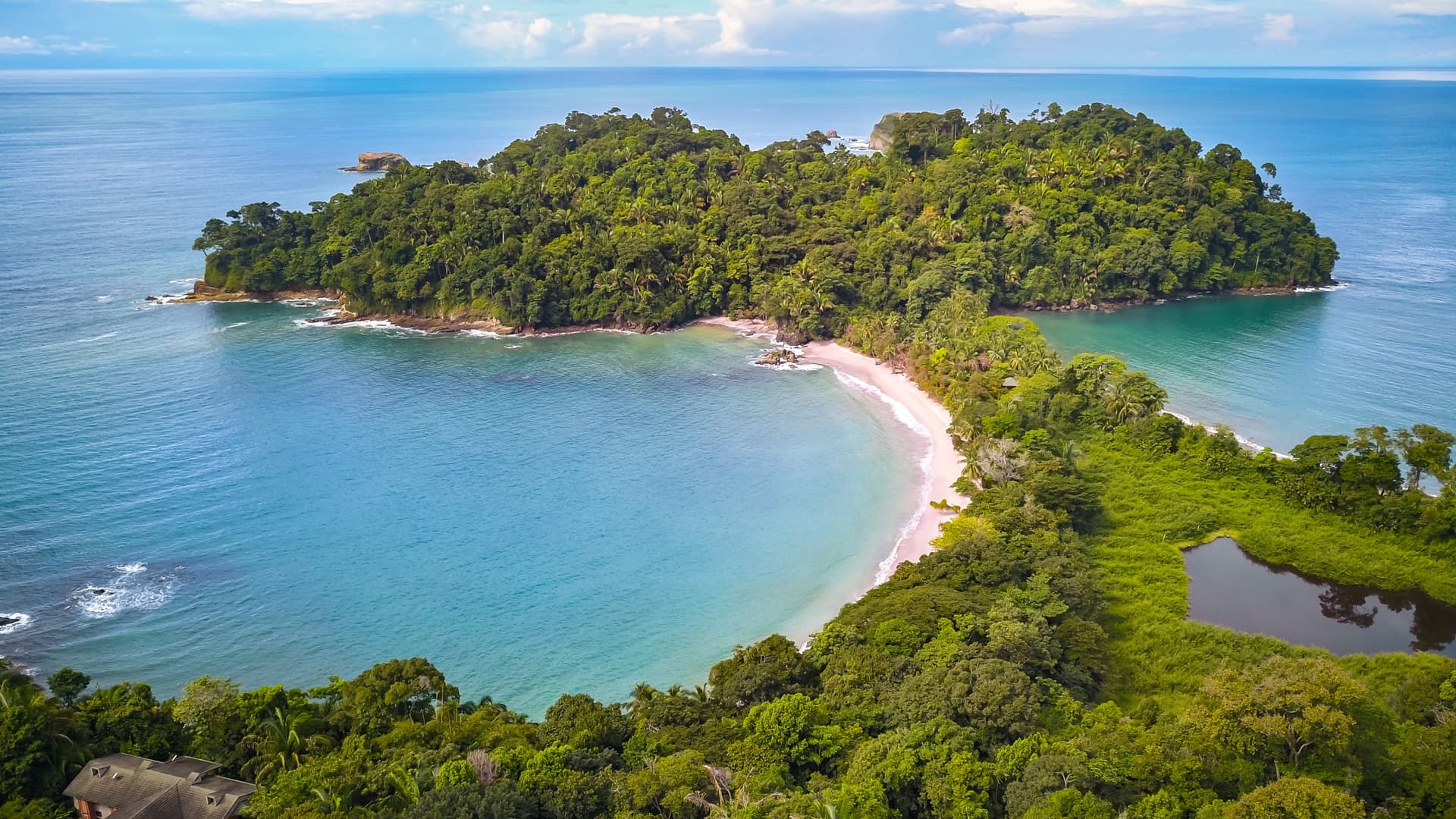
Manuel Antonio National Park stretches along Costa Rica's Pacific coast, in the Quepos canton (Puntarenas Province). With its 683 hectares, it is the country's smallest national park, yet it concentrates humid tropical forest, mangroves, coves and white-sand beaches within a single walkable perimeter.
Why visit Manuel Antonio
The park combines two rare assets in Costa Rica: wildlife easily spotted mere metres from trails, and swimmable beaches directly integrated into the protected area. Sloths, white-faced capuchins, iguanas and seabirds can be observed on short, well-marked routes, making it ideal for families and travelers with limited time. In 2011, Forbes magazine ranked it among the world's 12 most beautiful parks, a distinction that captures its dual identity as an ecological reserve and beach destination.
History of the park
The region takes its name from the indigenous Quepoa community, who inhabited these lands before colonization and also lent their name to the nearby town of Quepos. In the twentieth century, the land was exploited for agriculture, then acquired by the United Fruit Company until 1974, when the Costa Rican state regained control under pressure from civic movements.
The national park itself was created in 1972, as part of the environmental protection wave that structured the country's network of protected areas. Today it is managed by the Central Pacific Conservation Area (ACOPAC), an entity of the National System of Conservation Areas (SINAC), overseen by the Ministry of Environment, Energy and Telecommunications (MINAET).
What to see and do in the park
Emblematic wildlife
Manuel Antonio has not retained the truly wild character of Corcovado, but it offers one of the highest observation densities in the country. You will encounter notably:
- The two sloth species of Costa Rica: the two-toed sloth and the three-toed sloth, identifiable by looking up into the foliage.
- Three of the country's four monkey species, including the white-faced capuchin, particularly present near the beaches—do not leave any food bags unattended.
- Iguanas of good size, motionless on tree trunks, with their characteristic spiny backs.
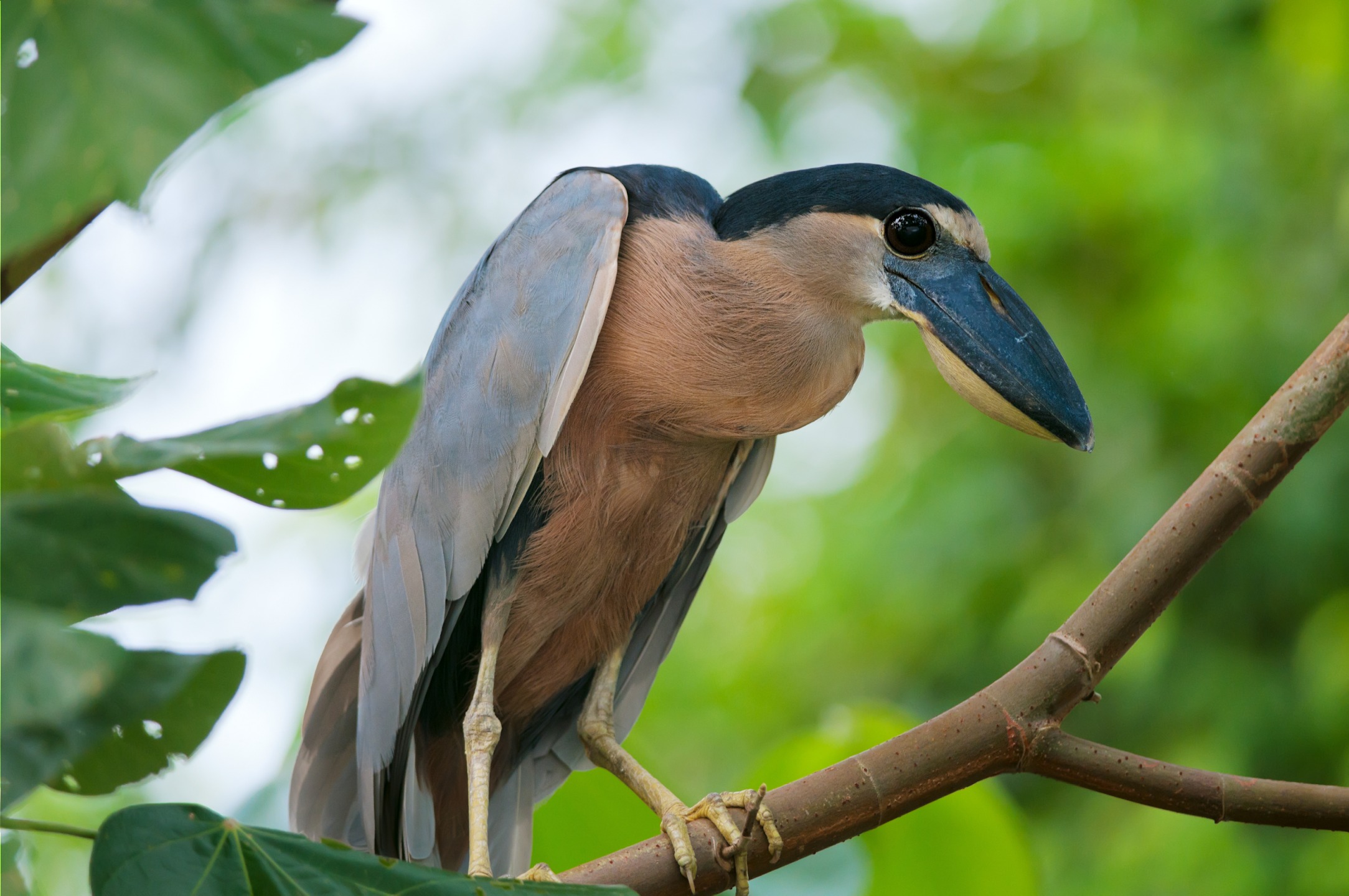
- A dense bird population (toucans, hummingbirds, raptors) and many frogs and reptiles in the understory.
Hiring a certified guide, stationed at the entrance, significantly increases observation opportunities: they spot sloths and snakes that the untrained eye passes by unseen.
Beaches and water activities
Several beaches are included within the park's perimeter, including the main Manuel Antonio beach, suitable for swimming. Outside the park, Playa Isla Damas is better suited to experienced surfers. The mangroves of Isla de Damas can be explored by kayak or boat on guided excursions: it is one of the best spots in the area for observing crabs, waterfowl and crocodiles.
Rafting, zip-lining and horseback riding
Three rivers near the park are suited to rafting: El Chorro and Naranjo for experienced practitioners, Savegre for beginners and families. Local agencies also offer zip-line courses above the canopy and horseback rides on trails at the forest's edge.
Practical information
- Opening days: the park closes one day per week (traditionally mid-week). Check the exact date on the official SINAC website before planning your visit.
- Hours: opens in the morning until early afternoon. Arriving at opening maximizes wildlife observation chances and limits heat.
- Admission: paid entry for adults (moderate rate in US dollars), with free or reduced admission for children—pricing policy regularly updated by SINAC.
- Reservation: entry is now reserved online, daily quota is limited.
- Crowds: avoid Costa Rican weekends and public holidays; the park quickly reaches visitor capacity.
When to go
The average annual temperature hovers around 29°C, with little variation (27°C in October, 31°C in March). Rainfall, however, is marked: the dry season, from January to March and in December, offers the best visiting conditions, with manageable trails and good visibility. October is the wettest month and certain paths may become slippery.
How to get there
From San José, several options are available:
- By bus: departures from Plaza Víquez station (or shuttles from the airport) toward Quepos. Count approximately 2.5 hours travel time, then a 5-minute walk to the park entrance from the beach.
- By rental car: well-paved Costanera Sur road (Route 34), approximately 3 hours.
- By domestic flight: daily connections to Quepos airfield (30 minutes flight time).
- With a private driver or shared tourist shuttle, a comfortable option for groups.
Nearby attractions
Manuel Antonio fits easily into an itinerary along the Pacific coast:
- The Hacienda Barú reserve, one hour south, to observe wildlife in a less frequented setting.
- The Marino Ballena National Park, known for its whale-tail shaped sandbar and seasonal cetacean watching.
- The Caño Island, accessible from the Osa Peninsula, for diving and snorkeling.
- The Monteverde Reserve and Arenal Volcano, to complete the Pacific experience with mountain and cloud forest landscapes.
The town of Quepos, 5 minutes from the park, concentrates accommodation, tour agencies and the area's nightlife.
Frequently asked questions
Frequently asked questions
Plan your trip
Manuel Antonio naturally fits into an itinerary connecting the Pacific coast to the central volcanic region. To build a complete itinerary including Quepos, Monteverde and the Nicoya Peninsula, consult our bespoke Costa Rica trips.
Interested in this visit?
We can include it in your personalised itinerary.