Caribbean Coast
Afro-Caribbean and Bribri facade of Costa Rica: Tortuguero's boat-accessible canals, forested beaches of Cahuita and cacao of Talamanca, at a slower pace.
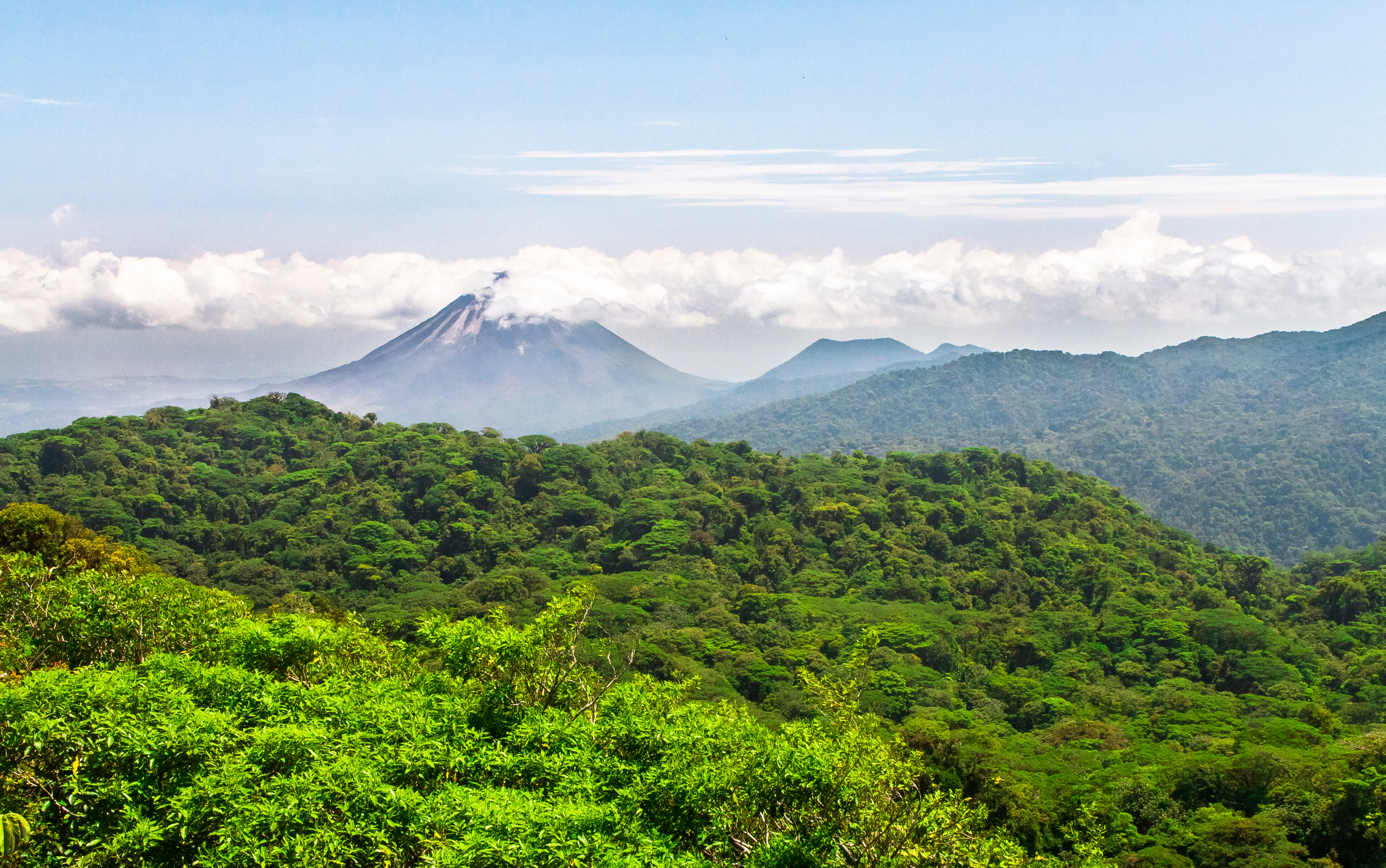
The Caribbean coast occupies the eastern facade of the country, from the Nicaraguan border in the north to Manzanillo and the Panamanian border in the south. It is accessed from San José in four to five hours of driving via the Braulio Carrillo pass, then descending toward the Limón plains through banana and pineapple plantations. This journey marks a sharp transition: vegetation thickens, the air grows heavier, and you enter another cultural geography of Costa Rica.
The population of this coast was established from the 19th century onward with the arrival of Jamaican workers who came to build the Atlantic railroad and later work in the banana plantations of the United Fruit Company. Limonese Creole, a blend of Jamaican English and Spanish, remains spoken in Cahuita, Puerto Viejo and in Limón's neighborhoods. The indigenous Bribri and Cabécar peoples occupy the mountainous interior of Talamanca, where they cultivate cacao using agroforestry methods. You can visit certain communities from Puerto Viejo and follow the complete process of transforming the bean, from drying to artisanal chocolate making.
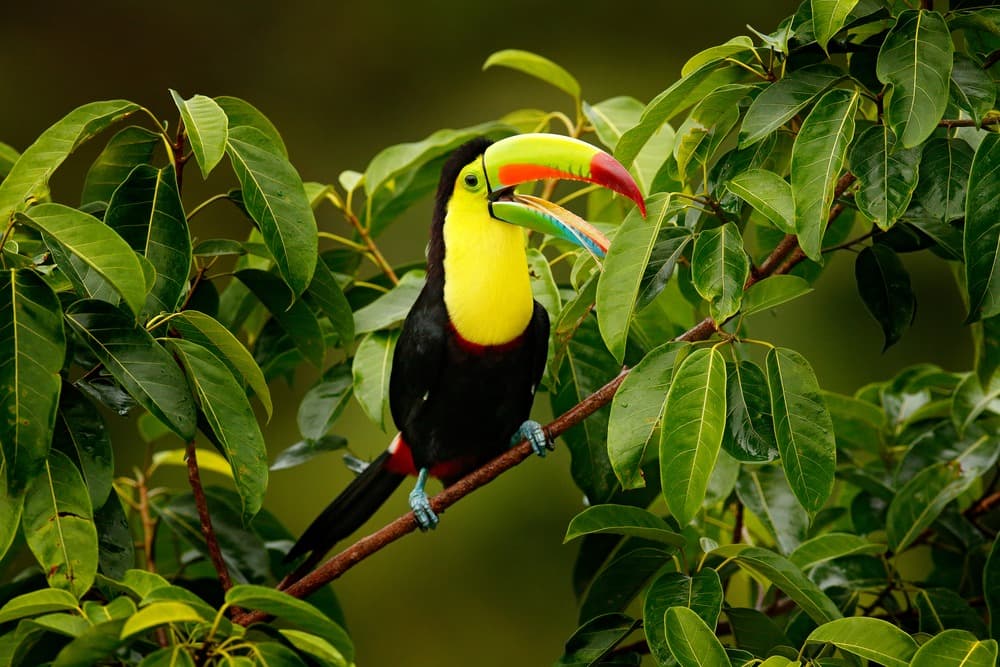
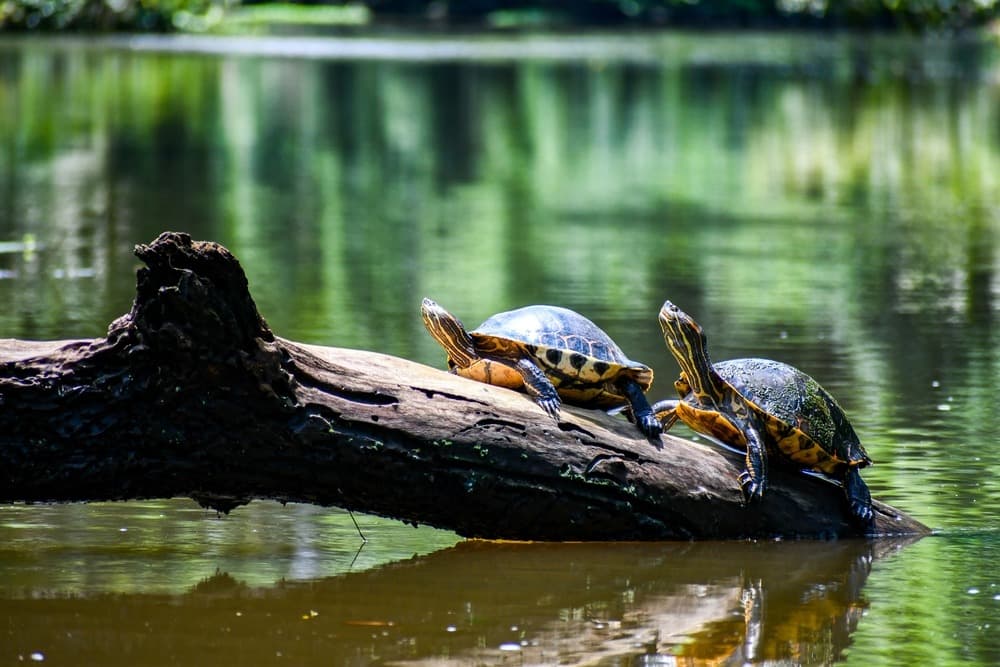
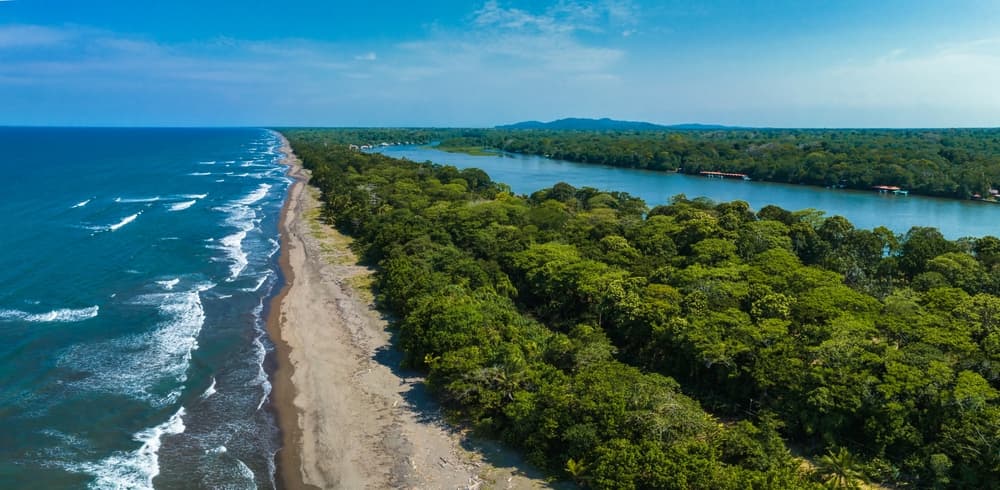
Geography divides into two regions. In the north, the Tortuguero alluvial plain forms a labyrinth of natural and artificial canals connecting lagoons to the sea. The village of Tortuguero, on a strip of sand between the ocean and the main canal, is reached only by boat from La Pavona or by plane from San José. The humid forest descends to the water's edge, and early morning lancha trips allow you to observe caimans, howler monkeys, keel-billed toucans and green iguanas.
South of Limón, the road hugs the coastline to Cahuita, Puerto Viejo de Talamanca, Punta Uva and Manzanillo. The beaches alternate between black sand of volcanic origin and golden sand, bordered by coastal forest where two-toed and three-toed sloths, capuchin monkeys and red-eyed tree frogs live. Cahuita National Park protects a portion of living coral reef, accessible by snorkeling from Puerto Vargas. Further south, Gandoca-Manzanillo Refuge combines mangrove, leatherback nesting beach and primary forest.
The local economy relies on fishing, cacao, banana and small-scale tourism. The cuisine here diverges from classic gallo pinto: you'll eat rice and beans cooked in coconut milk, rondón (fish and root vegetable stew in coconut), pati (spiced Jamaican-style pastry) and pan bon on festive days. Accommodations are mostly wooden lodges, family cabinas and a few ecolodges along the canals in Tortuguero. Large hotel structures don't exist, which maintains diffuse visitor flows and a generally slower pace than on the Pacific side.
Must-see highlights
Tortuguero canals and turtle nesting. Early morning lancha navigation on canals bordered by flooded forest. From July to October, guided night outings to observe green turtle nesting on the village beach.
Cahuita beaches and wildlife. 8 km coastal trail through the national park, between deserted beaches and forest where sloths sleep. Snorkeling on the coral reef from Puerto Vargas in calm seas.
Bribri cacao in Talamanca. A day in an indigenous family farm in Yorkín or Bribri: harvesting, fermentation, drying and traditional chocolate preparation with women from the community.
Afro-Caribbean cuisine of Puerto Viejo. Rondón simmered in coconut milk, jerk-grilled fish, pan bon and patties in family sodas along the main street. Saturday morning market for local produce.
Gandoca-Manzanillo Refuge. Mangrove, primary forest and leatherback turtle nesting beach from March to June. Coastal trail to Punta Mona accessible with a local guide.
When to visit
The Caribbean coast follows a different rainfall pattern from the rest of the country: it rains year-round, but with two drier windows. The first, in February-March, offers warm days (30 to 32 °C) and calm seas ideal for snorkeling at Cahuita. The second, in September-October, is strategically most interesting: it's peak rainy season on the Pacific but a relative lull here, with around 200 mm of monthly rainfall compared to 400 to 500 mm in the wettest months (December and July).
Temperatures remain stable year-round between 24 and 31 °C, with high humidity. If possible, avoid: December and early January, which combine heavy rains, rough seas and holiday crowds. For Tortuguero, the July-October window covers green turtle nesting (peak in August-September); leatherback turtles nest more between March and May on Gandoca-Manzanillo beaches. The Talamanca interior, at higher elevation, receives more rain and trails become difficult in October-November.
Practical advice
We recommend a minimum of 4 to 5 days on the Caribbean coast to experience both its faces: 2 nights in Tortuguero (transfer included, the village is only reachable by boat from La Pavona, allowing 4 to 5 hours travel from San José) and 2 to 3 nights in the south between Cahuita and Puerto Viejo. With a week, you can add a day with the Bribri in Talamanca or an excursion to Manzanillo. Access is exclusively by road from the central valley; there is no international airport in Limón but an airstrip in Tortuguero served by domestic flights from San José to save time.
The most coherent combination is with the Central Valley upstream, and with Arenal on the return: the Puerto Viejo-Arenal road passes through Río Frío and avoids San José. In September-October, pairing this coast with Guanacaste becomes worthwhile as the climates are then reversed. Comfort is more rustic than elsewhere: wooden lodges, fans rather than air conditioning, electricity sometimes limited in Tortuguero. The region suits travelers curious about blended cultures, naturalists (high fauna density, especially in Tortuguero) and contemplative souls who accept a slower pace. Less suited for families seeking resorts or postcard-beach lovers, who will prefer the northern Pacific.