Hacienda Barú National Wildlife Refuge
Hacienda Barú National Wildlife Refuge
Private 330-hectare wildlife refuge on Costa Rica's southern Pacific coast: 7 km of trails through forest, mangrove and beach, committed ecolodge.
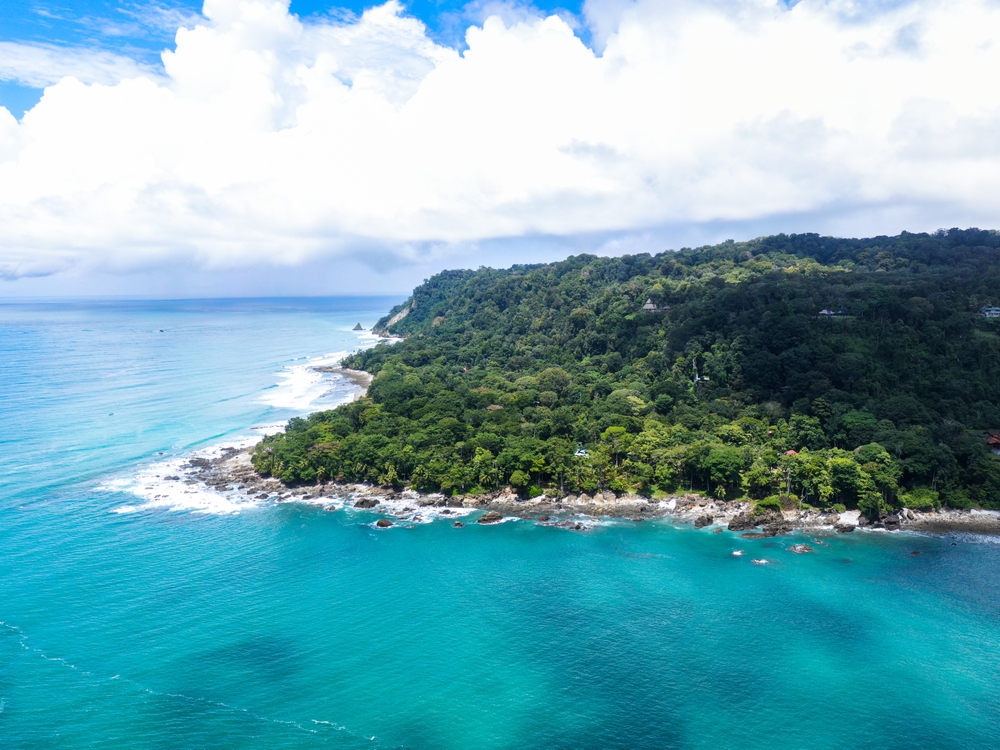
On Costa Rica's southern Pacific coast, the Hacienda Barú National Wildlife Refuge protects 330 hectares of tropical forests, mangroves and grasslands edged by the ocean. This private wildlife reserve, a former cattle ranch converted to conservation, combines hiking trails, wildlife observation and an ecolodge integrated into the site.
Why visit Hacienda Barú
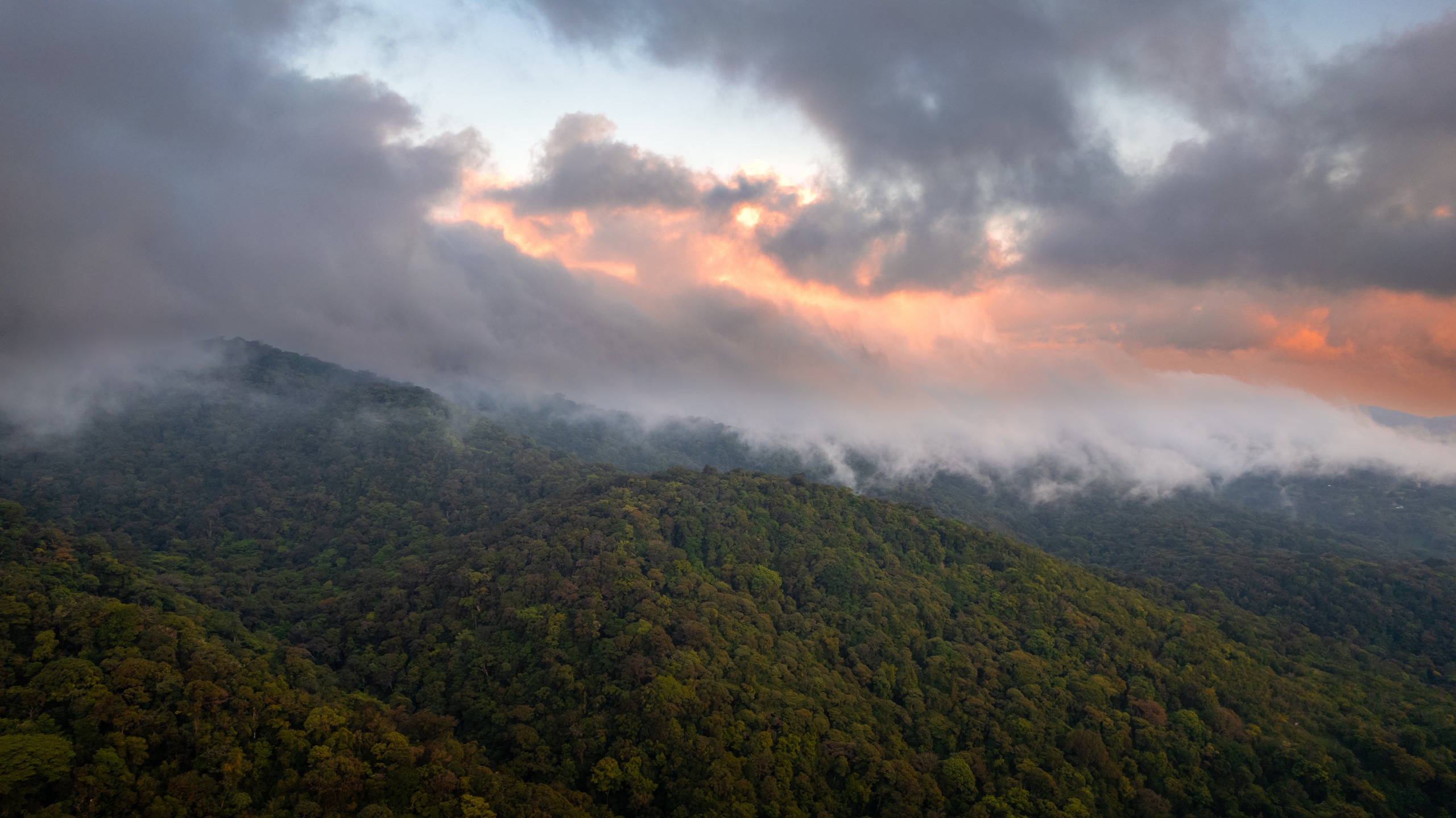
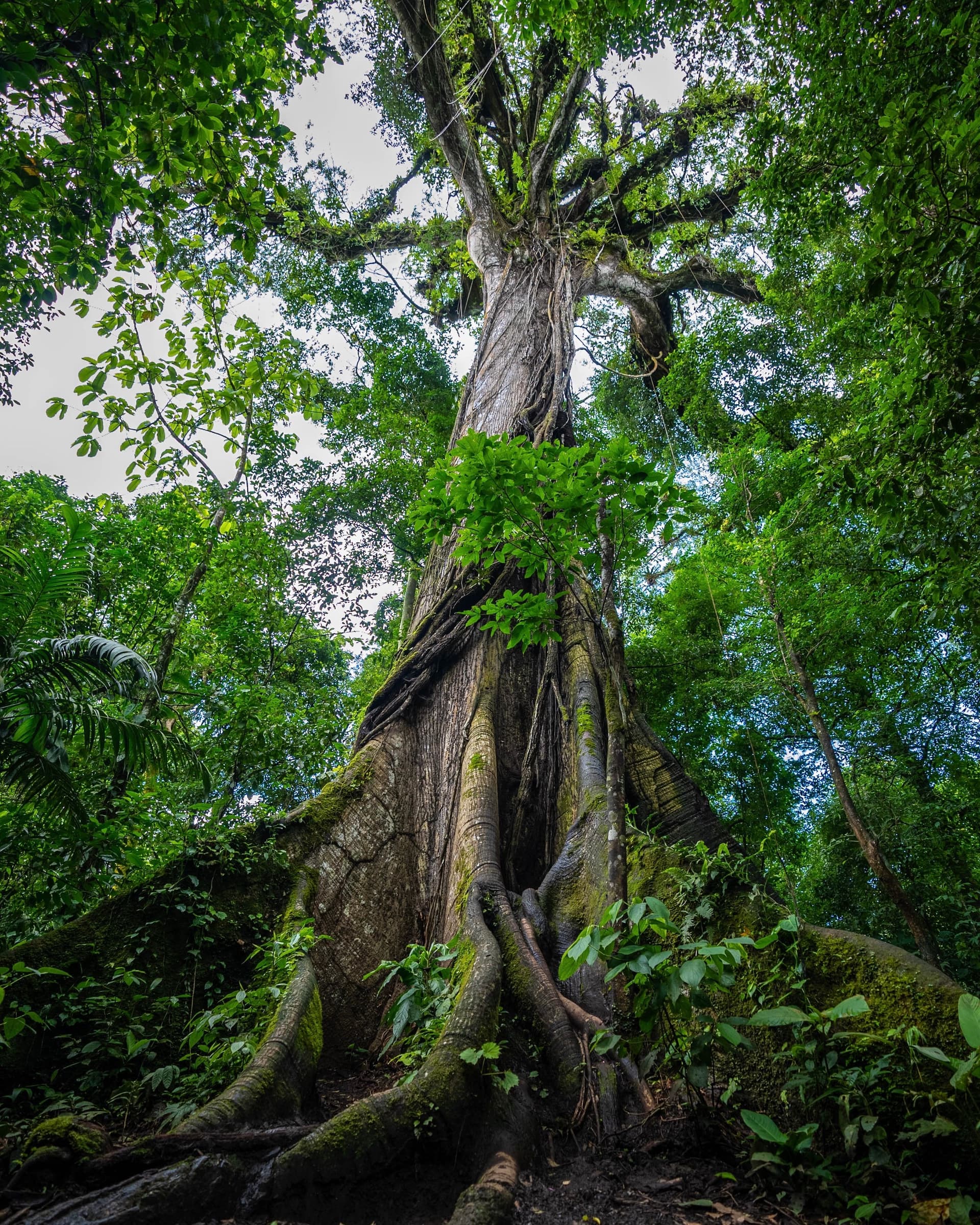
Hacienda Barú belongs to a rare category in Costa Rica: a private wildlife refuge that operates as a genuine laboratory for forest regeneration. Across 330 hectares, several habitats succeed one another within just a few kilometres: primary forest, secondary forest reclaiming the land, coastal mangrove, grasslands and beach. This mosaic concentrates dense wildlife, accessible on foot via a network of trails, without the crowds of nearby major national parks.
The site suits travellers seeking a more leisurely naturalist approach than in heavily visited parks, as well as families wishing to stay directly within the reserve.
History of the refuge
The Ewing family acquired the land in the 1970s, at a time when the area was largely devoted to livestock farming. For several years, Hacienda Barú operated as a cattle ranch before its owners undertook reforestation and habitat protection initiatives. In 1995, the estate was officially converted into a private wildlife reserve, dedicated to conservation and ecotourism.
Former employee houses were renovated to accommodate the first visitors, then new lodgings, a restaurant and a swimming pool expanded the offering. Natural regeneration has allowed forests to reclaim ground from former pastures, a process still visible today on certain parcels.
What to see and do
Trails and wildlife
Approximately 7 km of trails traverse the reserve, connecting interior forests to the beach via mangrove and grasslands. Depending on zones and times of day, visitors may observe:
- Howler monkeys, capuchins and sloths in the canopy
- Coatis, agoutis and iguanas on the ground
- Rich birdlife, particularly dense around the mangrove edges
- Crabs, seabirds and occasionally turtle tracks on the beach
Several trails are suitable for self-guided exploration, though morning guided visits with a naturalist significantly increase wildlife-spotting chances.
Zip-lining and guided activities
A zip-line set up in the canopy allows you to traverse a forest section from above, from the perspective of tree-creepers and parrots. Other guided activities are available on-site: pre-dawn birding excursions, thematic hikes, night observation and beach expeditions.
An ecolodge integrated into the site
The accommodation reflects the philosophy of the place. Facades are built with wood from local plantations, roof tile covering uses recycled plastic bags, and several buildings feature polished teak ceilings that promote air circulation. Hot water is produced by solar installations.
Three types of accommodation coexist: two-bedroom chalets (four units), three-bedroom cottages (two units) and rooms with views of the pool and forest. Configurations suit both couples and families.
Practical information
- Type of site: private wildlife refuge, accessible to day visitors and ecolodge residents
- Duration of visit: allow at least half a day for main trails, longer for overnight stays
- Rates: moderate day entry fee; accommodation in mid-range to upper category
- To bring: hiking shoes, mosquito repellent, binoculars, water, light quick-drying clothing
- Level: trails accessible to most walkers, some sections wetter during rainy season
When to visit
The region has two distinct seasons. The dry season, from December to April, offers the best walking conditions and clearer skies for observation. The green season, from May to November, brings lusher vegetation and sustained animal activity, particularly for birds and amphibians, in exchange for often intense afternoon showers. Birdwatching enthusiasts favour the transitions, especially December and April–May.
How to get there
Hacienda Barú is located on the southern Pacific coast, near Dominical. From San José, travellers can reach the site by long-distance bus, but the most flexible option remains car rental or private transfer, especially for families or groups. The lodge team can arrange transfer from the international airport.
Two regional airstrips facilitate access: Quepos, about half an hour's drive north, and Palma Sur, a longer journey south. Shuttles can pick up visitors with prior reservation.
Nearby attractions
Hacienda Barú's location makes it easy to combine the visit with other southern Pacific coast sites:
- The Nauyaca waterfalls, accessible by hiking or all-terrain vehicle from Dominical
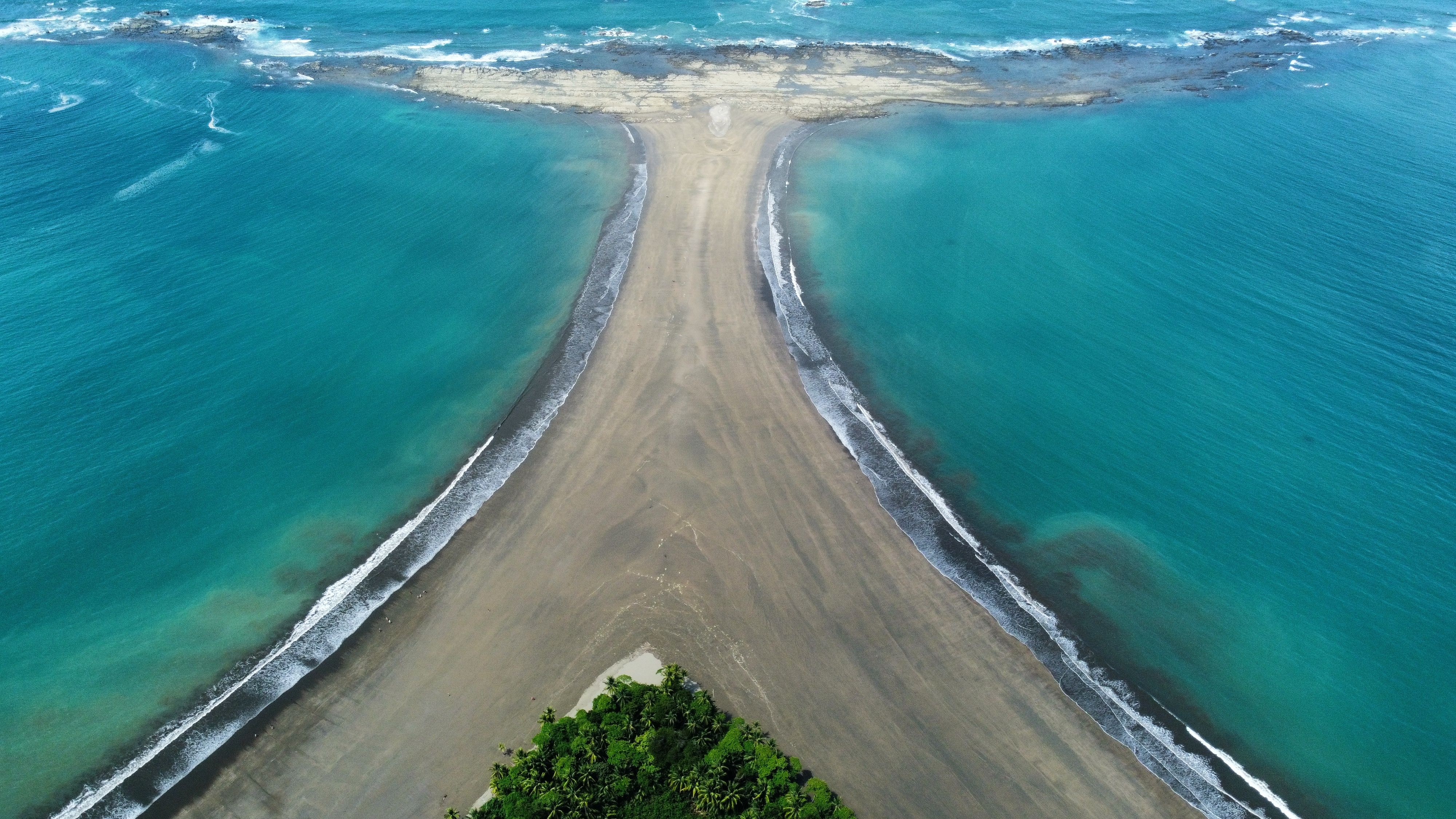
- The Marino Ballena National Park and its famous whale-tail formation
- Caño Island, a top destination for diving and snorkelling
- The Carara National Park, further north, renowned for its scarlet macaws
Frequently asked questions
Frequently asked questions
No. The reserve welcomes day visitors for trails and guided activities. Staying at the ecolodge does, however, allow you to access the trails early in the morning, when animal activity is most intense.
Yes, several trails are self-guided. A naturalist guide is still recommended for spotting elusive wildlife, particularly sloths, snakes and forest birds.
Wildlife observation is possible year-round. The transitions between dry and wet seasons (April–May and November–December) combine good trail accessibility with sustained animal activity.
Yes. Accommodation offers family configurations and several trails are short and flat. Zip-lining is supervised by monitors.
The refuge fits naturally into an itinerary along the southern Pacific coast, with Dominical, Marino Ballena park and the Osa Peninsula. Allow two to three nights here to enjoy both trails and beaches.
Planning your trip
Hacienda Barú integrates easily into a naturalist circuit on the southern Pacific coast. To build a bespoke itinerary combining forests, beaches and national parks, consult our Costa Rica trips.
Interested in this visit?
We can include it in your personalised itinerary.