Carara National Park
Carara National Park
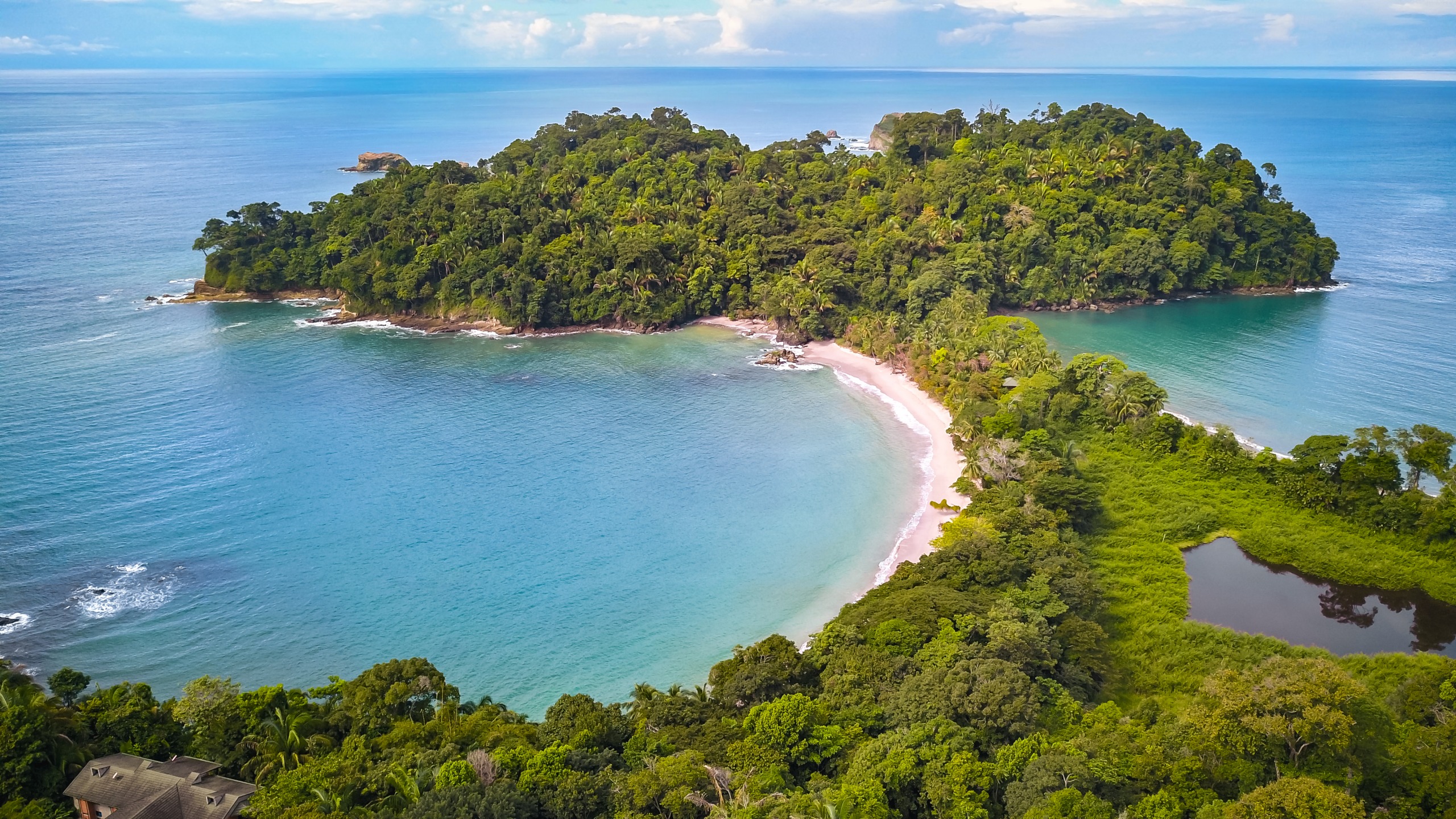
West of San José, Carara National Park protects a unique forest transition zone, a major refuge for scarlet macaws in Costa Rica.
About 90 km west of San José, Carara National Park protects a unique forest transition zone in Costa Rica. Over just a few kilometers, the dry forests of the north give way to the humid forests of the southern Pacific, creating an ecotone that concentrates exceptionally diverse fauna and flora. The park is also one of the last major refuges for the scarlet macaw in Costa Rican territory.
Why visit Carara National Park
Carara stands out from most protected areas in the country because of its position as a biological transition zone. Species from both forest regimes converge here, making it prime viewing territory for ornithologists and tropical wildlife enthusiasts. The park is easily accessible from the capital, making it one of the most convenient nature excursions for travelers based in San José or heading toward the central Pacific coast.
Its relative compactness and the quality of its trails, including a universal accessibility route, make it accessible to all visitor profiles, from families to wildlife photography enthusiasts.
History of the park
The name Carara comes from the Huetar indigenous people of Costa Rica's central valley and means "river of crocodiles" in the pre-Columbian era. Before the park's creation, the site was occupied by a ranch named El Coyolar.
In 1970, Costa Rica's Agrarian Reform Agency acquired the ranch and distributed the land among peasants, with the exception of the forested area. The latter was classified as a biological reserve in 1978 under the authority of the National Parks Service, before being reclassified as a national park in November 1998 in response to growing visitor numbers and conservation concerns.
What to see and do
The Tarcoles Bridge and its crocodiles
On the road leading to the park, the bridge spanning the Rio Tarcoles is a classic stop. From the bridge deck, American crocodiles are easily spotted lounging on the muddy banks, particularly in the morning. It's one of the most accessible crocodile viewing points in the country.
The scarlet macaw and birdlife
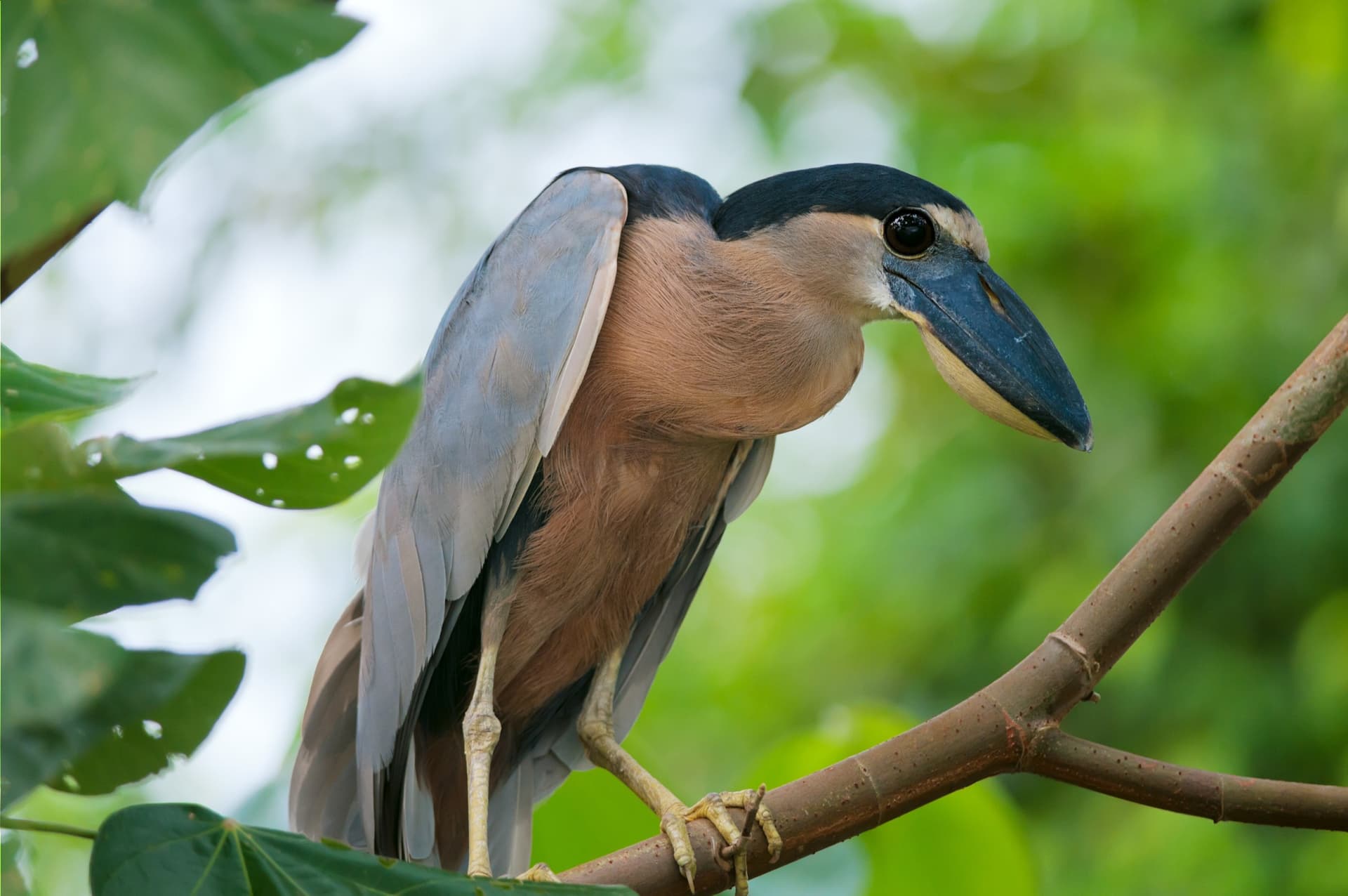
Carara is home to one of Costa Rica's most stable wild populations of scarlet macaws. Their calls carry far through the canopy, and their flights in pairs in late afternoon remain a striking spectacle. Ornithologists also encounter toucans, aracaris, motmots, herons, jacamars, and kingfishers along the trails and riverbanks.
Mammals and reptiles
On the forest trails, capuchin monkeys are regularly spotted moving between the canopy and the mangroves of the Tarcoles River, as well as iguanas, agoutis, and coatis. Patience and silence significantly increase your chances of spotting wildlife.
Transitional flora
The park is home to approximately 480 plant species. Orchids, bromeliads, and towering strangler figs are among the most visible along the trails. The density of vegetation and canopy height vary noticeably by area, illustrating the site's ecotone character.
A trail for everyone
Carara features a universal accessibility trail designed for people with reduced mobility: flat, stable pathways suitable for wheelchairs and strollers, and braille signage for visually impaired visitors. It's one of the few national parks in the country offering this level of accessibility.
Practical information
The park is open daily, typically from late morning to late afternoon, with slightly extended hours during the dry season. Admission fees distinguish between foreign visitors and Costa Rican residents and remain moderate; discounts or exemptions apply based on age. Contact SINAC or your local agency before your visit, as hours and fees are updated regularly.
Camping is prohibited within the park. Plan for 2 to 4 hours of exploration depending on which trail you choose. Bring water, insect repellent, closed-toe shoes, and binoculars for wildlife observation.
When to visit
The dry season, from December to April, offers the most comfortable hiking conditions, though the air remains humid due to forest transpiration. The period from August to October brings the heaviest rainfall: some trails may become impassable and wildlife spotting more difficult. For birdwatching, the early morning hours remain the most productive throughout the year.
How to get there
From San José, take route 27 west toward Orotina, then turn onto route 34 heading south. You'll cross the Tarcoles Bridge before reaching the park entrance, located on the left. Expect approximately 1.5 to 2 hours of driving depending on traffic. A rental car offers the most flexibility; guided excursions from San José or Jacó are also available.
Nearby attractions
The central and southern Pacific region is filled with other natural sites that complement a Carara visit well. Further south, Marino Ballena National Park is known for its whale-tail-shaped sandbar and cetacean observation. Nauyaca Waterfalls and the Hacienda Barú Wildlife Refuge are also worth visiting for hiking and wildlife enthusiasts. Heading north, Arenal Volcano National Park offers a completely different landscape, dominated by its volcanic cone.
Frequently asked questions
Frequently asked questions
Plan for 2 to 4 hours to explore one or two trails at a leisurely pace, including wildlife observation. A full day allows you to combine a park visit with a stop at the Tarcoles Bridge.
Yes. Carara features a universal accessibility trail with flat, stable pathways suitable for wheelchairs and strollers, as well as braille signage for visually impaired visitors.
No, camping is prohibited within Carara National Park. Accommodations are available nearby, particularly near Tarcoles and Jacó.
A guide is not mandatory but highly recommended for spotting wildlife, particularly birds and small mammals. Naturalist guides are available at the park entrance.
Carara is one of Costa Rica's most reliable sites for observing this bird, but no sighting can be guaranteed. Your best chances are early morning and late afternoon, during their movements to roosting areas.
Plan your trip
Carara fits easily into an itinerary combining San José, the central Pacific coast, and the southern region. To build a stay tailored to your interests, consult our Costa Rica trips.
Interested in this visit?
We can include it in your personalised itinerary.