Where to Whitewater Raft in Costa Rica: The Best Spots
It's no secret that Costa Rica is a true paradise for nature lovers and adventure seekers. But did you know the country is considered one of the world's premier whitewater rafting destinations?
January 14, 2025
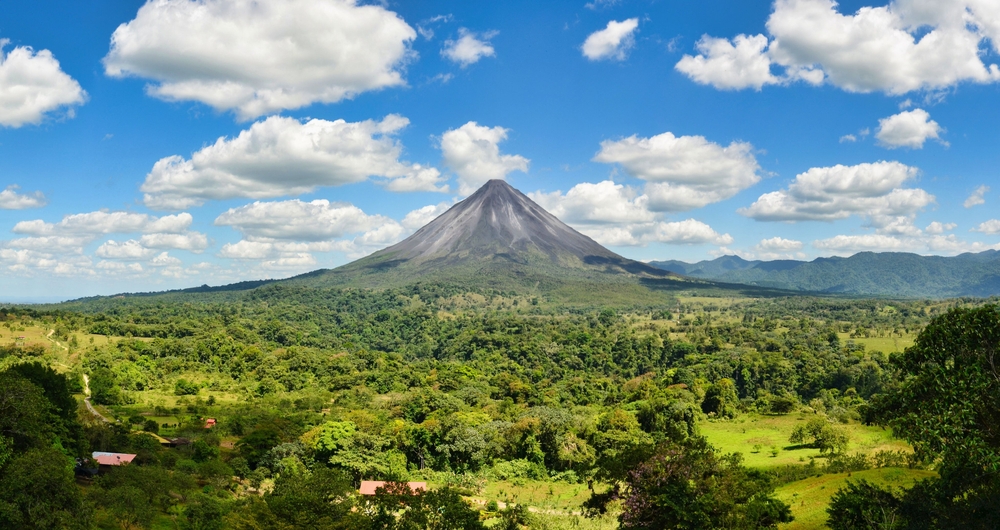
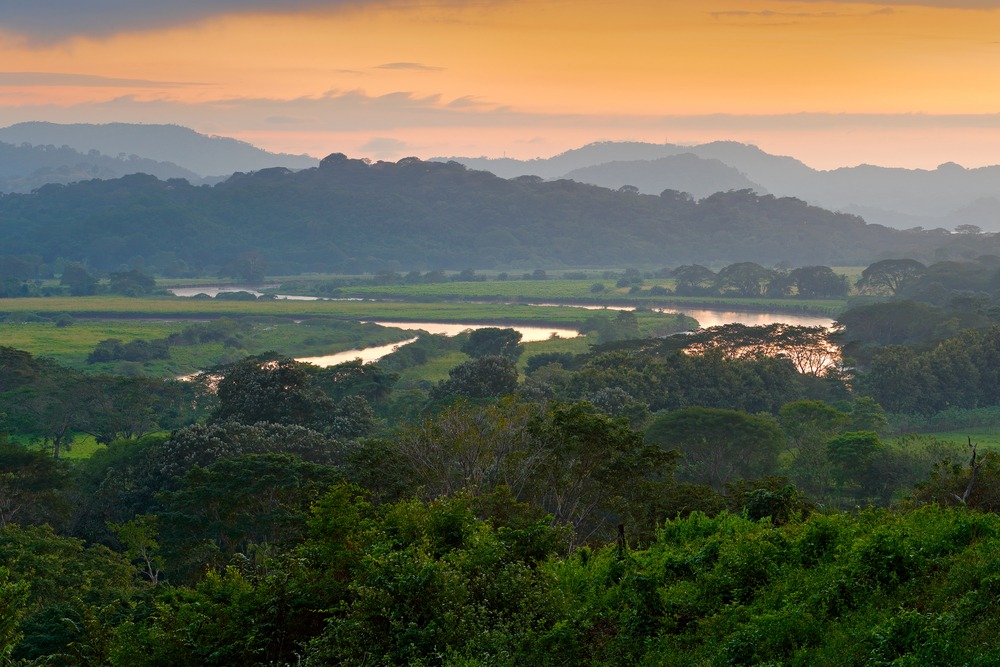
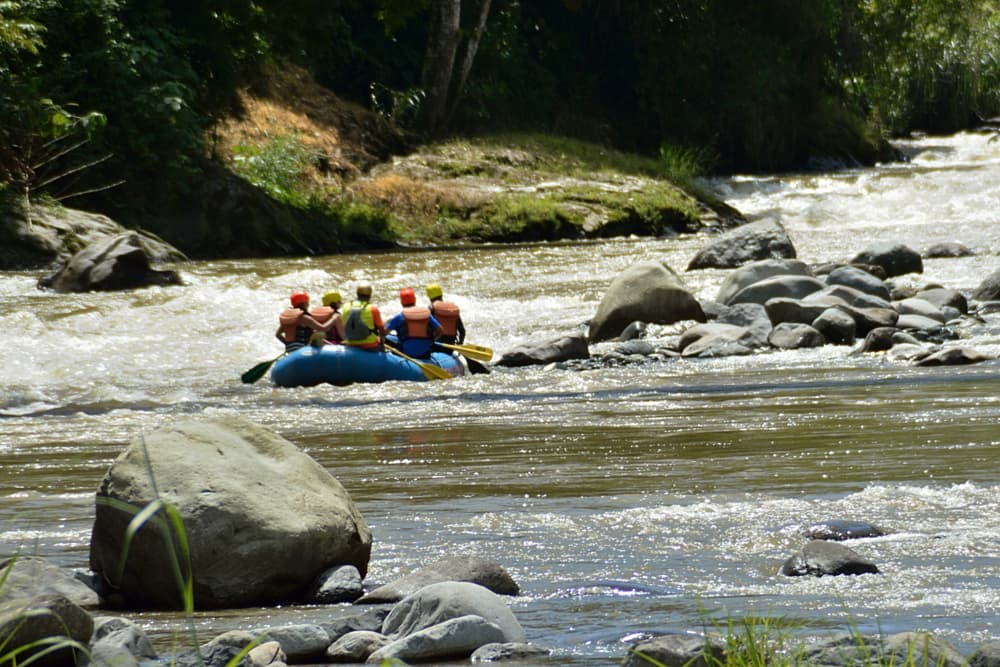
It's no secret that Costa Rica is a true paradise for nature lovers and adventure seekers. But did you know the country is considered one of the world's premier whitewater rafting destinations? With its numerous rivers and waterways winding through lush rainforests and canyons, the country attracts rafters from around the globe. Discover the best rafting spots to experience heart-pounding thrills during your Costa Rica adventure.
1. Rio Pacuare

Difficulty Level: Classes II, III and IV Perfect terrain for rafting experts but can also suit beginners on calmer sections.
The Rio Pacuare is a Costa Rican river that originates in the Talamanca mountain range and flows northeast through humid tropical rainforest before emptying into the Caribbean Sea. It's widely regarded as one of the world's finest whitewater rafting sites. In short, it's THE must-do rafting spot in Costa Rica. Known for its tumultuous rapids, it also features gentler sections.
A rafting descent on the Rio Pacuare isn't just about adrenaline—it's an opportunity to experience nature at its most pristine. You'll paddle through tropical rainforests, discover majestic gorges and canyons, and encounter magnificent waterfalls. The region teems with wildlife: you may spot iguanas, otters, sloths, monkeys, and numerous bird species like toucans.
Good to Know: Multi-day rafting expeditions on the Rio Pacuare are available. The region hosts numerous eco-lodges and campsites for overnight stays. This format is ideal for maximizing rafting excitement while immersing yourself in the jungle.
2. Sarapiquí River
Difficulty Level: Classes II, III and IV Suitable for all levels.
The Sarapiquí River originates in the foothills of the central mountain range, in the Botos lagoon of Poas volcano. It's renowned as an excellent Costa Rican rafting destination. Less turbulent than the Rio Pacuare, the Sarapiquí River is often favored by beginners. It offers an idyllic setting to learn rafting safely and stands as one of the most family-friendly rafting destinations.
Located within a biological corridor, the river flows through protected zones that shelter abundant wildlife, including tapirs, agoutis, jaguars, monkeys, and countless bird and insect species. Here too, we recommend combining activities to make the most of your experience.
3. Rio Savegre

Difficulty Level: Classes II, III and IV Suitable for both beginners and experienced rafters.
The Rio Savegre is a Costa Rican waterway connecting the central mountain range to the Pacific. Designated as a biosphere reserve, the river and its surroundings are renowned for being exceptionally preserved. The river is even considered the country's cleanest. Wildlife to observe includes toucans, parrots, cormorants, sloths, and coatis.
As for rafting, the river features moderate rapids and calmer sections. Moreover, it suits all skill levels—even adventurous children! During a Rio Savegre rafting excursion, you can pause for swimming in natural pools and waterfalls.
Worth Noting: The Rio Savegre is near the Manuel Antonio National Park, one of Costa Rica's most visited parks. Take the opportunity to explore this natural gem!
4. Río Balsa
Difficulty Level: Classes II and III Better suited for beginners, but can also appeal to experienced rafters.
Located near La Fortuna and Arenal volcano, the Balsa River is regulated by a dam, making it one of Costa Rica's most reliable whitewater rafting rivers. In other words, it's the ideal destination for those trying rafting for the first time. It's also a favorite spot for rafting with children and among the most family-preferred rafting sites.
Again, you'll traverse lush forests. Through the river's gentler sections, enjoy admiring this wild landscape and spotting wildlife. You may encounter monkeys, sloths, as well as numerous birds and butterflies.
5. Rio Reventazón

Difficulty Level: Classes II, III and IV Suitable for both beginners and experienced rafters.
The Rio Reventazón originates at the base of Irazú volcano (one of Costa Rica's essential volcanoes) and flows into the Caribbean Sea. It's part of the Reventazón-Parismina hydrological basin. Despite environmental pressures from dam development, the Reventazón River offers sublime scenery between canyons and lush forests.
Known for its powerful rapids, the river features rafting routes punctuated by technical sections and exhilarating descents that thrill adrenaline-seeking athletes. Yet it also includes calm sections suitable for beginners.
Practical Information:
Is Rafting Safe in Costa Rica?
Whitewater rafting is a well-developed activity in Costa Rica. It's actually one of the world's premier rafting destinations. Rest assured, the activity is regulated and you'll be perfectly safe if you choose a section suited to your level and are guided by local experts. Don't hesitate to contact us to help organize your excursion with experienced English-speaking guides!
What Skill Level Is Required for Rafting in Costa Rica?
Rapids are classified using an international scale that evaluates the difficulty level for navigating them:
- Class I: Considered the easiest level, Class I includes calm water sections that are very easy to navigate.
- Class II: Suited for beginners, Class II routes feature some undulations, small waves, and minor obstacles that are easy to avoid.
- Class III: Class III sections are characterized by larger waves and cross-currents. However, this type of route carries minimal risk and is well-suited for beginners seeking a challenge.
- Class IV: Class IV routes are more demanding, with strong waves and currents, difficult cross-currents, and requiring more technical maneuvers. Considered an intermediate level, prior experience is recommended before attempting.
- Class V: Reserved for rafting experts due to inherent risks, Class V includes intense rapids with high water flow and powerful turbulence. It requires perfect technique to control the raft.
- Class VI: The most difficult rafting level, Class VI routes may include large holes, abrupt drops, and long, violent rapids. It's exclusively for professionals (or at least extremely well-prepared individuals).
As you can see, if you're trying rafting for the first time, opt for Class I, II, or III routes. These require no prior experience. That said, Class III routes will still deliver an adrenaline rush!
What Is the Minimum Age for Rafting?

There's no regulation specifying a minimum age for rafting. Of course, it depends on the route type you choose. Generally, Class I and II rafting excursions are accessible from age 6 or 7, while Class III routes can be done from age 12 onwards.
In any case, it's strongly recommended to consult your guide or operator before proceeding.
What Equipment Should You Bring and How Should You Dress for Rafting in Costa Rica?
Rafting in Costa Rica requires no special equipment, as everything is provided on-site. This includes a helmet, life vest, and necessary rafting gear.
Regarding clothing, we recommend water-resistant apparel and footwear since you'll likely get soaked. Choose well-fitting closed shoes with secure fasteners so you don't lose them: sneakers or water sandals work well. Bring a change of clothes and a towel for after the activity.
We also suggest packing reef-safe sunscreen and a water bottle with a secure clip attachment.
When Is the Best Time to Raft in Costa Rica?
Costa Rica enjoys a tropical climate with a dry season from December to April and a rainy season from May to November. While rafting can be done year-round, the best period for rafting in Costa Rica is the rainy season (when waterways are fullest).
Also Discover:
- Why Travel to Costa Rica?
- Top 5 Most Beautiful Waterfalls to Discover in Costa Rica
- What's the Best Time for Surfing in Costa Rica?
Florine Dergelet
Florine Dergelet is a web writer with over 10 years of experience and a traveler driven by the desire to explore the world with an open heart. Each of her articles is an invitation to slow down, listen, and understand. For her, traveling isn't about checking countries off a map, but rather weaving connections—often invisible yet always powerful—with places, peoples, and all manner of wildlife.
Her philosophy? Advise travelers ethically, awaken their awareness about animal welfare, cultural respect, and the importance of humble, sustainable tourism. Because the most beautiful memories often arise far from the spotlight, in the shadows of a trail, during a conversation, or in the quiet breath of a world we finally take time to truly hear…