La Pavona/Cabo Blanco
La Pavona/Cabo Blanco
La Pavona and Cabo Blanco are the classic embarkation points for reaching Tortuguero through Costa Rica's Caribbean canals. A lancha journey through tropical forest, rich in wildlife.
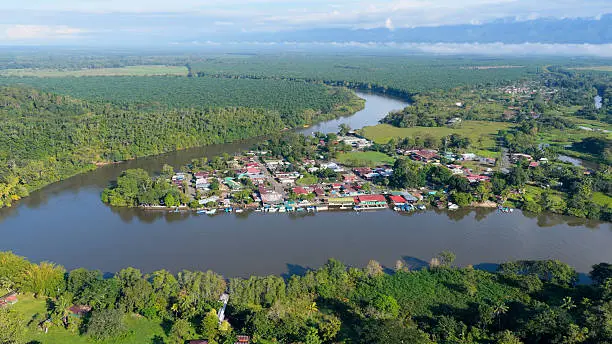
La Pavona and Cabo Blanco are two river landings situated in the northern Caribbean plains of Costa Rica. Together, they form the classic overland departure point for reaching Tortuguero by boat, traveling upriver through canals and lagoons that cut through dense tropical forest. This lancha crossing often marks the first immersion into the humid ecosystem of the Caribbean coast.
Practical essentials at a glance
Access: La Pavona is accessible from Cariari (Limón province) by unpaved road; Cabo Blanco is an alternative landing slightly further north.
Transport: Buses from San José to Cariari, then bus or shared taxi to La Pavona; private shuttles also run directly from San José.
Boat journey duration: approximately 1.5 to 2 hours depending on conditions and which landing you depart from.
What to wear: Light clothing, raincoat or poncho recommended; showers are frequent year-round.
What you'll see
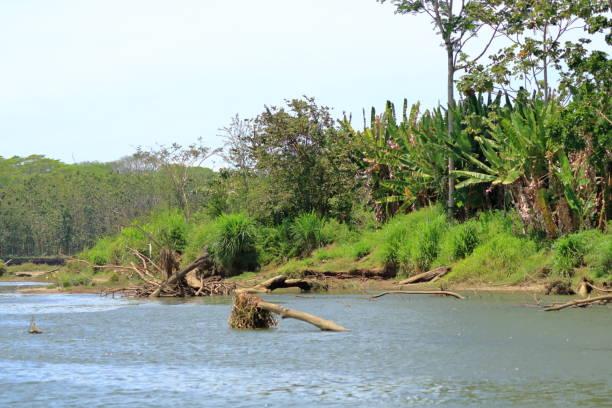
The boat journey from La Pavona or Cabo Blanco follows natural canals lined with tropical vegetation. You'll regularly spot spider monkeys and capuchin monkeys in the overhanging trees, caimans on the banks, and numerous bird species—herons, kingfishers, anhingas. The crossing itself constitutes a naturalist experience in its own right.
History and context
These landings developed as essential transit points before Tortuguero became accessible by any means other than river or air. They remain today the most economical and widely used way to reach Tortuguero National Park, designated a sea turtle protection zone since 1970.
Highlights of the journey
The lancha crossing
The motorboat trip through the canals is often memorable. Local guides point out wildlife along the way. Aim for a window seat or position at the front to enjoy the flooded forest panorama.
Wildlife watching en route
Even before reaching Tortuguero, the crossing offers quality wildlife sightings. Caimans are almost certainly visible on sunny banks in the morning.
Photography tips
Light is best in early morning, when mist rises from the canals. Protect your camera from humidity with a waterproof bag—boats are open and splashing is frequent. A telephoto lens is useful for photographing wildlife on the banks without disturbing the animals.
Location and access
La Pavona sits approximately 30 km northeast of Cariari, in Limón province. Cabo Blanco is an alternative landing situated nearby. From San José, allow about 3 to 4 hours combined bus/taxi/boat travel. Organized shuttles from San José or La Fortuna include transfers to the landing and boat passage to Tortuguero.
Nearby attractions
Tortuguero National Park — the main destination of the crossing, famous for sea turtle nesting.
Cariari — transit town with lodging and services before embarkation.
Tortuguero Canals — network of waterways to explore by kayak or guided boat.
Frequently asked questions
These are two distinct but nearby landings, both used for reaching Tortuguero by boat. The choice often depends on your operator or shuttle booking. Both offer a similar experience.
During high season (July–August, December–January), it's advisable to book through an agency or organized shuttle. In low season, collective boats depart at set times from the landing.
The journey is possible year-round. To witness sea turtle nesting at Tortuguero, July–October is most favorable. The dry season (February–April) means less rain during the crossing.
No. Tortuguero is not road-accessible. The boat from La Pavona or Cabo Blanco, or flying from San José, are the only options.
A raincoat or poncho, sunscreen, insect repellent, and your luggage in waterproof bags or covers. The boats are open to the elements.
Want to discover this destination?
Our local advisors design your tailor-made trip.