Sierpe
Sierpe
A river village on the South Pacific coast, Sierpe is the gateway to the Osa Peninsula. Set sail for Corcovado or explore Central America's largest mangrove forest, home to crocodiles and tropical birds.
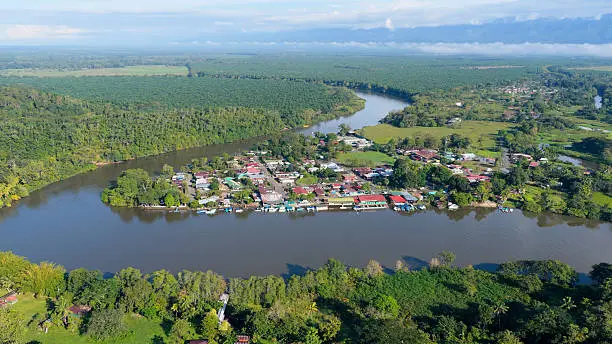
Sierpe is a small river village on Costa Rica's South Pacific coast, nestled along the banks of the río Sierpe. As the essential departure point for reaching the Osa Peninsula and Corcovado National Park, it also provides access to Central America's largest mangrove forest. Between fishing boats, crocodiles visible from the docks, and pristine rainforest within paddle's reach, Sierpe concentrates remarkable biodiversity in a setting that remains refreshingly undeveloped for tourism.
Quick Facts
Access: from Palmar Norte (approximately 15 km north) via paved road, then by boat to Bahía Drake or Corcovado.
Logistics role: primary embarkation point for the Osa Peninsula — plan to arrive early if taking a shared boat to Drake.
Recommended duration: half a day to a full day for a mangrove tour; one night if departing early for Corcovado.
What to wear: lightweight long-sleeved clothing, insect repellent, closed-toe shoes for the riverbanks.
Accessibility: limited — docks and boats are not wheelchair-accessible.
What to See
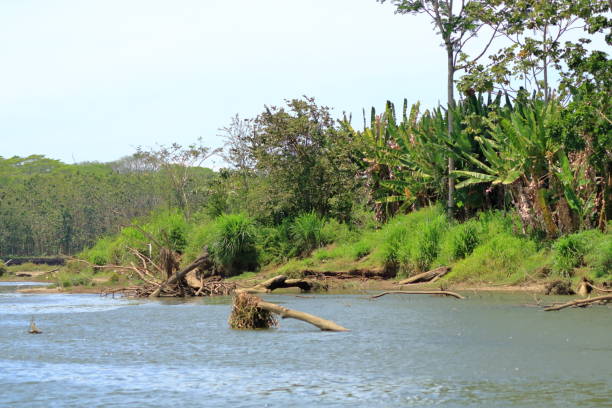
The village itself is modest: a handful of lodges, riverside restaurants, and boat fuel depots. The real appeal lies in what surrounds it. The río Sierpe winds through a network of channels bordered by towering mangrove trees. American crocodiles, river otters, tiger herons, and kingfishers appear regularly. During certain seasons, dolphins occasionally venture up the estuary.
History and Context
The region was once inhabited by the pre-Columbian Diquís people, renowned for their enigmatic stone spheres. Several of these spheres—designated as a UNESCO World Heritage site in 2014—were discovered in the Palmar Norte and Sierpe area. The village developed as a river transit point, connecting the isolated communities of the Osa Peninsula to the rest of the country before modern roads improved regional connectivity.
Highlights of a Visit
Mangrove Boat Tour
Local guides offer excursions through the río Sierpe mangrove system, one of Central America's most extensive. The lancha journey to Bahía Drake already traverses a portion of this ecosystem—an hour of navigation through mangrove channels with wildlife visible to the naked eye.
Crocodile Watching
American crocodiles (Crocodylus acutus) regularly bask on the banks of the río Sierpe, visible from boats. Guides maintain a safe distance; never venture alone to the water's edge.
Diquís Stone Spheres
While the principal spheres are displayed in Palmar Norte and the National Museum of San José, some lodges in the region preserve pieces on-site. The UNESCO-listed Finca 6 archaeological site lies a few kilometers to the north.
Photography Tips
Golden morning light, between 6 and 8 a.m., is ideal on the river—subtle mist, reflections, and active wildlife. From the boat, a telephoto lens or 10x zoom lets you photograph crocodiles and birds without disturbance. Protect your gear from humidity with a waterproof bag: sea spray is frequent on the estuary.
Location and Access
Sierpe is located in Puntarenas Province, approximately 15 km south of Palmar Norte via National Road 237. From San José, allow around 6 hours by car or take a domestic flight to Palmar Sur (served by regional airlines). Shared taxis connect Palmar Norte to Sierpe. This is the only regular embarkation point for Bahía Drake and the northern access point to Corcovado National Park.
Nearby Attractions
Corcovado National Park — one of the world's densest tropical forests, accessible by boat from Sierpe.
Bahía Drake — a secluded bay on the Osa Peninsula, the starting point for diving and jungle hikes.
Palmar Norte — a transit town where several Diquís stone spheres are on display.
Finca 6 Archaeological Site — a UNESCO site with Diquís spheres in situ, a few kilometers to the north.
Frequently asked questions
Primarily a logistics hub for Corcovado and Bahía Drake. That said, a half-day mangrove tour justifies an overnight stay, especially if you're leaving early the next morning.
The dry season (December to April) makes boat travel easier and reduces the risk of rough estuary conditions. During the rainy season, vegetation is lusher but crossings can be choppy.
Lodges in Sierpe and Bahía Drake typically arrange boat transfers. Shared boats depart in the morning; your accommodation can coordinate the booking.
American crocodiles are present in the river. Never swim in the río Sierpe and stay aboard boats during excursions. Local guides know the high-risk zones.
A few spheres are visible in the region, but the finest collections are found in Palmar Norte and the National Museum of San José. The UNESCO site Finca 6 is the most comprehensive in the area.
Want to discover this destination?
Our local advisors design your tailor-made trip.