Térraba
Térraba
Térraba is an indigenous village in the Buenos Aires region (Puntarenas) where the Brörán people perpetuate their language, craftsmanship, and rituals such as the Danza de los Huesos. Authentic community-based tourism, far from mainstream circuits.
Térraba is an indigenous village located in the Buenos Aires region, Puntarenas province, in southern Costa Rica. Ancestral territory of the Térraba people — also called Teribe or Brörán — this place is one of the few remaining locations where the language and traditions of one of the country's least-known indigenous groups survive. A visit here embraces discreet community-based tourism, far removed from conventional circuits.
What to see
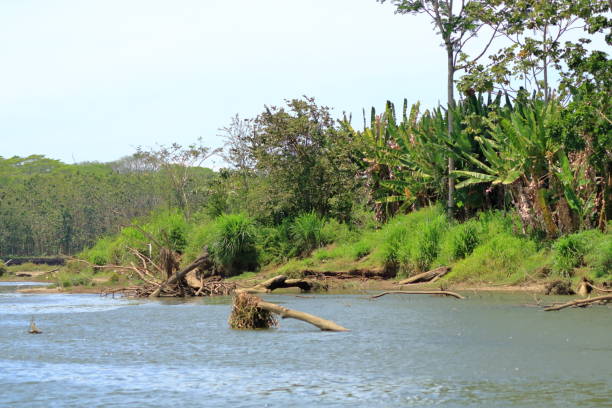
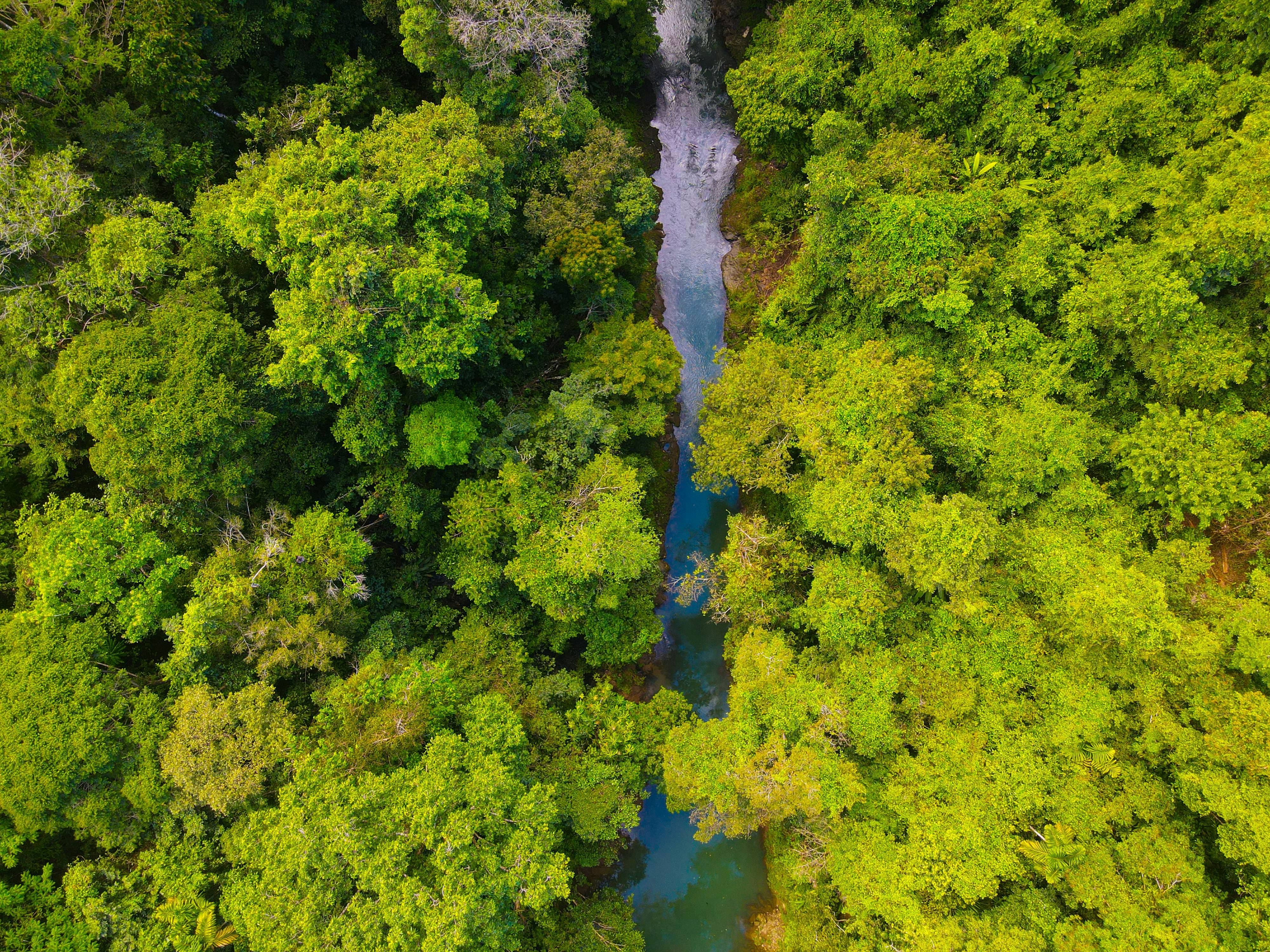
The village maintains a traditional community organization. A handful of families keep local craftsmanship alive, particularly working with plant fibers and crafting masks used during the Danza de los Huesos, a ceremonial ritual unique to the Térraba people. The surrounding landscape blends forested hills and rivers tributary to the Río Grande de Térraba.
History and context
The Térraba descend from a group that migrated from Panama several centuries ago. Their language, Teribe, faces critical extinction today: only a handful of elderly speakers are fluent in it. Costa Rican community initiatives and universities are working on its documentation and revitalization. The indigenous territory is officially recognized by the Costa Rican government.
Highlights of a visit
The Danza de los Huesos
This ritual ceremony, organized on specific dates by the community, is the most emblematic cultural expression of the Térraba people. It involves carved masks and chanting in the Teribe language. It is not a permanent feature: inquire with a local agency before planning your visit around this event.
Community-based tourism
Families from the community offer guided tours of the territory, craftsmanship workshops, and cultural exchanges. This type of tourism generates direct income for residents and respects the local way of life.
Etiquette and visit guidelines
Indigenous territory: visits must be made with the community's approval and accompanied by the community or an authorized local guide.
Always ask permission before photographing people or ceremonial spaces.
Respect areas and objects marked as sacred or private.
Adopt discreet behavior; avoid loud groups.
Photography tips
Morning light is favorable for photographing the hillside landscape and river. For any shots involving residents, masks, or community spaces, obtain explicit permission. Certain ritual objects should not be photographed.
Location and access
Térraba is located in the Buenos Aires canton, several hours' drive from San José via National Route 2 (Carretera Interamericana). The town of Buenos Aires de Puntarenas is the logical starting point. A 4×4 vehicle is recommended depending on the season, as secondary roads can be difficult during the rainy season. There is no direct or regular public transportation to the indigenous village.
Nearby attractions
Chirripó National Park — Costa Rica's highest peak, accessible from San Gerardo de Rivas, north of Buenos Aires.
Buenos Aires de Puntarenas — the nearest service town and starting point for exploring southern Costa Rica.
Boruca Indigenous Reserve — neighboring community renowned for its mask craftsmanship and the Fiesta de los Diablitos.
Frequently asked questions
Go through a community tourism agency or contact the local associations of the Térraba community directly. A visit without local accompaniment is not appropriate on a recognized indigenous territory.
The dry season (December to April) facilitates access via secondary roads. If you wish to attend the Danza de los Huesos, check in advance with the community or a local agency about the dates.
Yes, both indigenous communities are located in the same Buenos Aires region. A two-day circuit allows you to visit both territories while respecting each community's pace of life.
Spanish is the common language of communication in the community. A bilingual guide can be arranged through certain agencies, but availability is limited. Some Spanish proficiency greatly facilitates interaction.
Homestay accommodation options exist within the community-based tourism framework, but they are limited and must be booked in advance. Buenos Aires de Puntarenas offers more hotel options.
Want to discover this destination?
Our local advisors design your tailor-made trip.