Drake Bay
Drake Bay
An isolated village on the Osa Peninsula, Drake Bay provides access to Corcovado National Park and the whale-, dolphin- and manta ray-rich waters of the Costa Rican Pacific.
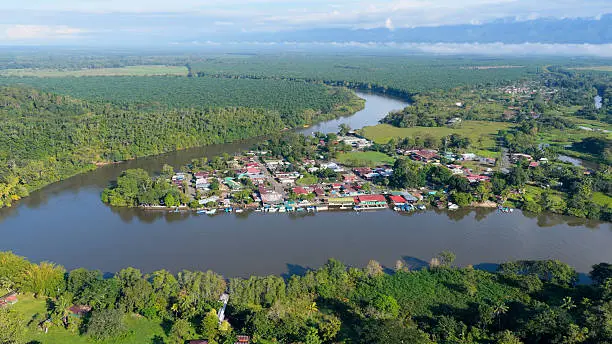
Drake Bay — Bahía Drake in Spanish — is an isolated village on the northern coast of the Osa Peninsula, in southwestern Costa Rica. Accessible only by boat or small plane, this remote corner borders Corcovado National Park, one of the planet's densest tropical rainforests. Dolphins, humpback whales, manta rays and exceptional terrestrial biodiversity make it an ideal base for travelers seeking raw nature, far from conventional tourist circuits.
Quick Facts
Access: Flight from San José or Quepos to Drake airstrip (DRK); or road to Sierpe then boat (approximately 1 hour on the Sierpe River and coast).
Dry season: December to April — calmer seas, navigable trails.
Rainy season: May to November — lush vegetation, fewer crowds, some lodges close.
What to wear: Lightweight quick-dry clothing, waterproof hiking boots for Corcovado, biodegradable sunscreen.
Recommended duration: 3 to 5 nights to combine Corcovado, diving/snorkeling and whale watching.
Accessibility: Very limited — rough terrain, boat access, basic infrastructure.
What You'll See
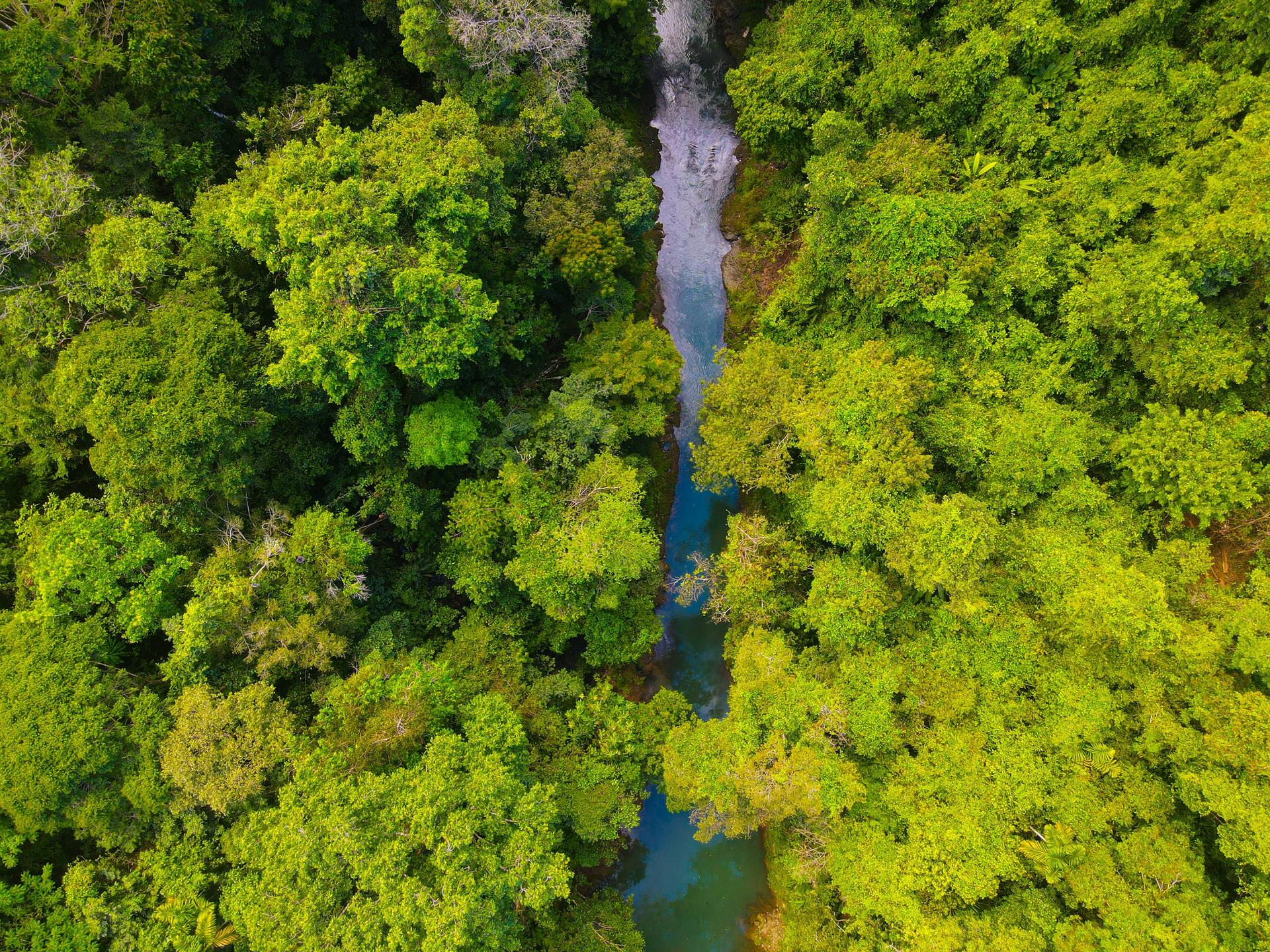
Drake Bay is primarily a gateway to Corcovado National Park, ranked among the world's richest biodiversity zones. Primary rainforests are home to four species of monkeys, Baird's tapirs, peccaries and hundreds of bird species including the scarlet macaw. At sea, the waters of the Gulf of Dulce and Pacific welcome spotted dolphins, humpback whales (August–October and December–April) and manta rays.
History and Context
The bay takes its name from Sir Francis Drake, who is said to have anchored here in 1579 during his circumnavigation of the globe. The village itself long remained cut off from the rest of the country: no paved road access until relatively recently. This isolation has preserved the surrounding ecosystem and shaped a local community oriented toward artisanal fishing and, gradually, ecotourism.
Highlights of Your Visit
Corcovado National Park
The San Pedrillo sector, accessible from Drake Bay by boat, is the most visited entrance. Mandatory guided hikes allow you to observe wildlife in its pristine habitat. Advance reservation with SINAC (National System of Conservation Areas) is essential.
Isla del Caño
About 45 minutes by boat, this biological reserve offers some of the best snorkeling and diving on the Costa Rican Pacific. Coral, sea turtles and schools of tropical fish abound. The island also holds pre-Columbian stone spheres, remnants of Chiriquí culture.
Whale Watching
Costa Rica is one of the rare countries where humpback whales frequent the waters year-round, with two distinct populations. Boat outings from Drake Bay offer regular sightings, particularly between August and October.
Night Diving and Bioluminescence
Waters around Drake Bay display bioluminescence phenomena visible on certain nights. Several local operators offer night kayaking or snorkeling excursions.
Photography Tips
Wildlife: Golden light early in the morning for photographing monkeys and canopy birds.
Cetaceans: Telephoto lens recommended; morning outings often feature calmer seas.
Underwater: Waterproof housing or dry box — visibility at Isla del Caño can exceed 20 meters in dry season.
Restrictions: Within Corcovado Park, stay on marked trails; do not disturb wildlife for a shot.
Location and Access
Drake Bay sits on the northwestern coast of the Osa Peninsula, in Puntarenas Province. The road from Sierpe is partly navigable by 4x4 in dry season, but boat transport from Sierpe remains the most reliable and widely used route. The local airstrip receives charter and scheduled flights from San José (Tobías Bolaños) and Quepos. Lodges typically arrange transfers from Sierpe or the airstrip.
Nearby Attractions
Corcovado National Park — primary rainforest of exceptional biological density, accessible from Drake Bay.
Isla del Caño Biological Reserve — diving and snorkeling site with pre-Columbian stone spheres.
Sierpe — river village and departure point for boats to Drake Bay, surrounded by mangroves.
Puerto Jiménez — alternative gateway to Corcovado, on the eastern coast of the Osa Peninsula.
Frequently asked questions
The dry season (December–April) offers navigable trails and calm seas for boat outings. The rainy season (May–November) is greener and less crowded, but some lodges close and Corcovado trails can be difficult to access.
Two options: direct flight to Drake airstrip (DRK), or bus/car to Sierpe then approximately one hour by boat on the Sierpe River and Pacific coast. The flight is faster; the boat is more economical and spectacular.
Yes. Corcovado National Park requires advance reservation through SINAC and the presence of a certified guide. Places are limited; book several weeks ahead during high season.
Yes. Humpback whales frequent these waters in two distinct seasons: August–October (Southern Hemisphere population) and December–April (Northern Hemisphere). Local operators offer whale-watching excursions.
Yes, for families comfortable with rustic comfort and boat travel. Snorkeling at Isla del Caño and dolphin watching appeal to children. Long hikes at Corcovado are not recommended for very young children.
Lightweight quick-dry clothing, waterproof hiking boots, insect repellent, biodegradable sunscreen (mandatory in marine reserves), headlamp and waterproof bag for boat excursions.
Want to discover this destination?
Our local advisors design your tailor-made trip.