Caño Island
Caño Island
Biological reserve 20 km from the Osa Peninsula, Caño Island combines five diving sites, marine fauna and pre-Columbian remains of the Diquís culture.
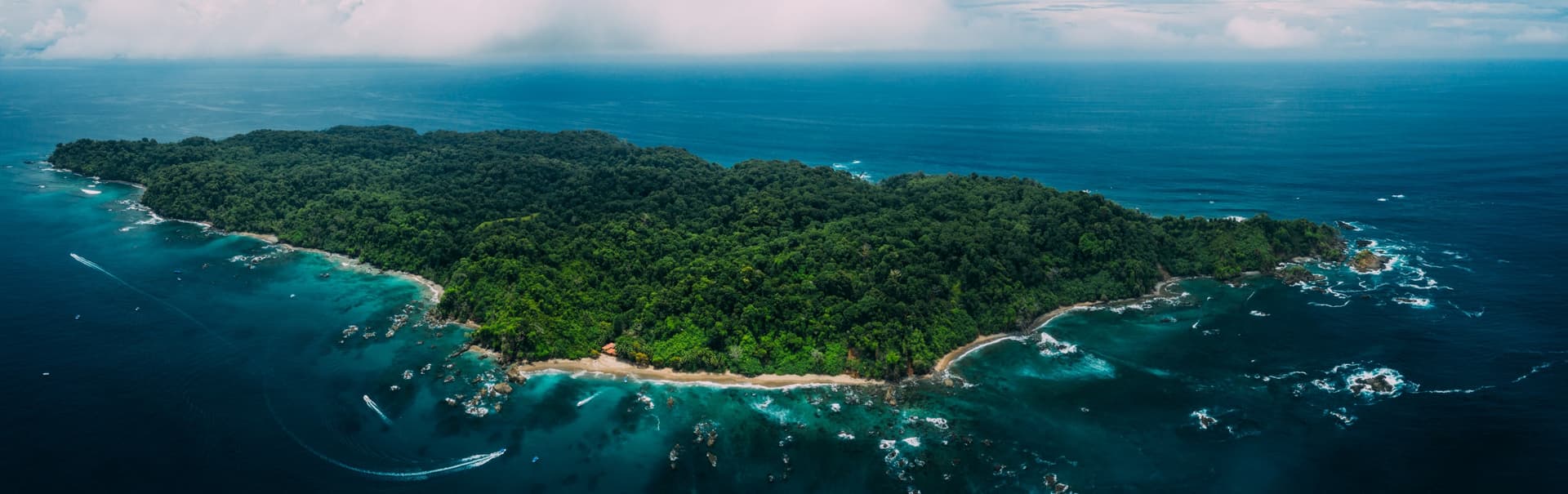
Located 20 km offshore from the Osa Peninsula, on Costa Rica's southern Pacific coast, Caño Island is a 300-hectare biological reserve renowned for its diving sites and pre-Columbian past linked to Diquís culture. Access is regulated by daily quotas, making it an excursion to plan in advance rather than an impromptu stop.
Why visit Caño Island
- A marine reserve among the best-preserved on Costa Rica's Pacific coast, featuring coral reefs and pelagic fauna.
- Five diving sites accessible within a short radius around the island.
- An archaeological site linked to the Diquís, a pre-Columbian people associated with the famous stone spheres.
- A protected environment since 1978, with limited visitor numbers through reservation.
- An excursion that combines well with Drake Bay, Uvita or Corcovado National Park.
History
Caño Island is of volcanic origin and forms part of an ancient geological complex linked to Costa Rica's southern Pacific coast. Its heritage significance extends far beyond its natural dimension: during pre-Columbian times, the Diquís buried their chiefs on this island, which they considered sacred. Burial sites were marked with large stone spheres transported from the mainland, whose origin and transportation methods remain subjects of debate among archaeologists. The more powerful the chief, the more imposing the funerary monument.
The island was declared a protected zone in 1978 under the status of biological reserve. This protection has preserved both the archaeological remains and a particularly rich marine ecosystem. Today, the island is uninhabited except for park rangers, and access is strictly regulated.
What to see and do
Diving and snorkeling
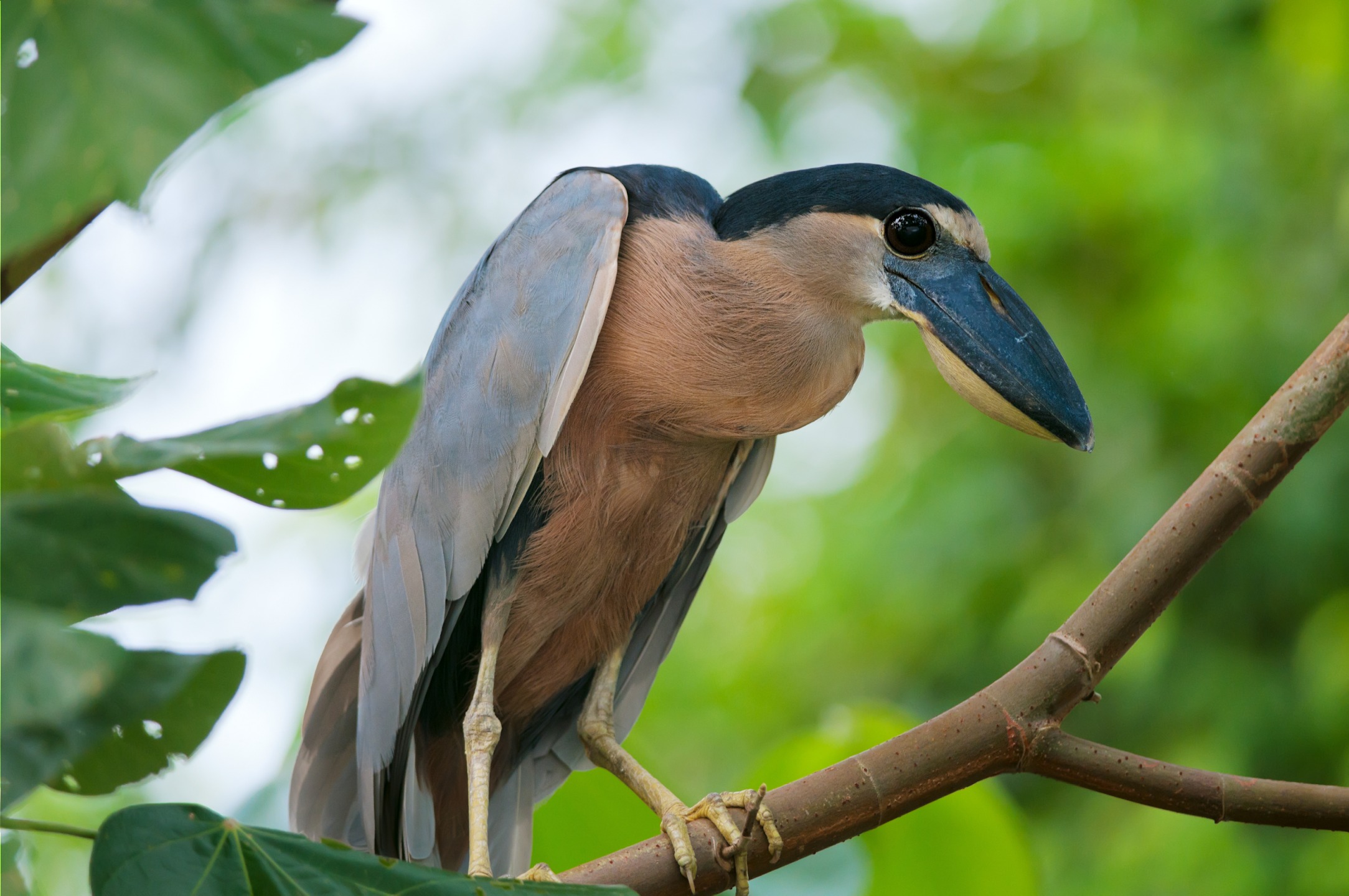
The waters around the island feature five diving sites distributed over short distances from one another. Observed fauna includes white-tipped reef sharks, manta rays, moray eels, sea turtles and, occasionally, dolphins. Currents can be present: scuba diving suits experienced divers with basic certification, while snorkeling remains accessible to all and allows observation of tropical fish and coral at shallow depths.
Archaeological site and trails
On the island itself, an archaeological site displays megalithic spheres and pottery attributed to the Diquís culture. Several trails cross the forest and lead to ocean viewpoints. The beach, regulated by park rules, remains peaceful: landings are limited and always accompanied by a guide.
Practical information
- Status: biological reserve; access only through authorized operators.
- Reservation: mandatory, due to daily visitor quotas.
- Duration: plan for half a day to a full day depending on departure point and number of dives.
- Rules: collect nothing, do not feed wildlife, stay on marked trails, leave no litter.
- Level: snorkeling for all; scuba diving recommended from intermediate level onwards due to possible currents.
When to go
The southern Pacific coast experiences two seasons. The dry season, from December to April, offers the best sea conditions and underwater visibility; it is also the most sought-after period. The rainy season, from May through autumn, alternates showers with clear spells. Underwater visibility may decrease, but wildlife remains abundant and coastal landscapes are lusher. Around September, humpback whales frequent the southern Pacific waters for their breeding cycle, adding interest to boat excursions.
How to reach Caño Island
Three departure points allow you to reach the island by boat:
- Uvita: from the southern coast, linked with Marino Ballena National Park. Crossing of approximately one hour.
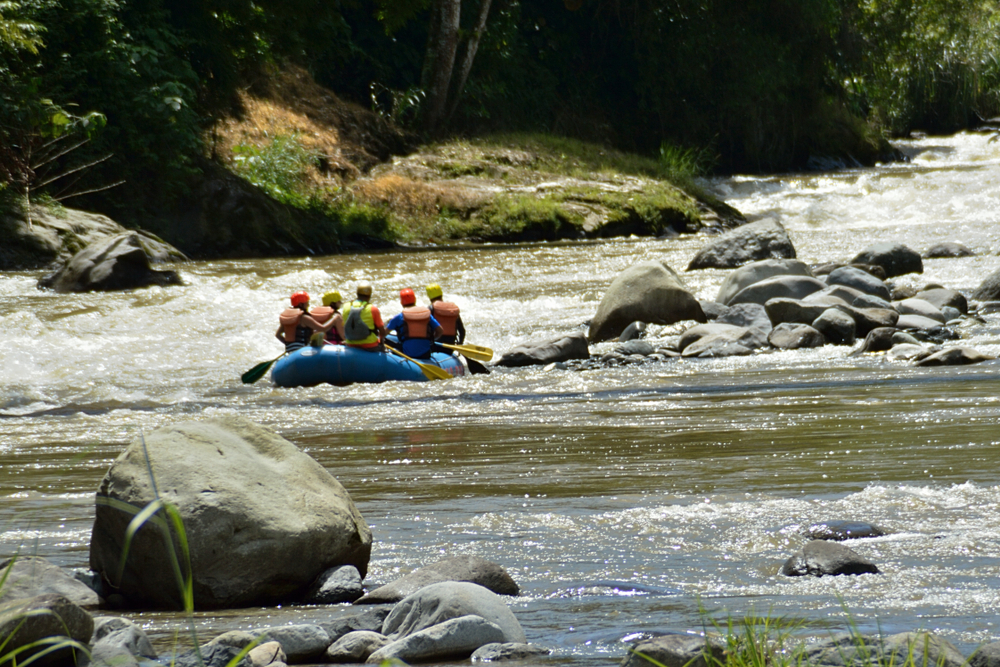
- Sierpe: access via Palmar Norte and the Térraba River bridge, then descent downriver before heading out to sea.
- Drake Bay: the closest option, which also allows combining the visit with the Osa Peninsula and Corcovado Park.
There is no public transport to the island: outings are exclusively arranged with an authorized operator.
Nearby
Caño Island combines easily with other sites on the southern coast:
- Marino Ballena National Park, known for its whale-tail rock formation and cetacean observation.
- Nauyaca Waterfalls, in the hinterland of Dominical.
- Hacienda Barú Wildlife Refuge, for rainforest and terrestrial fauna.
FAQ
Frequently asked questions
Incorporate Caño Island into your trip
Caño Island lends itself to a nature and diving stop as part of a larger itinerary on the southern Pacific coast. To build a coherent route around Osa, Drake and Corcovado, consult our suggestions for travel to Costa Rica.
Interested in this visit?
We can include it in your personalised itinerary.