Tárcoles
Tárcoles
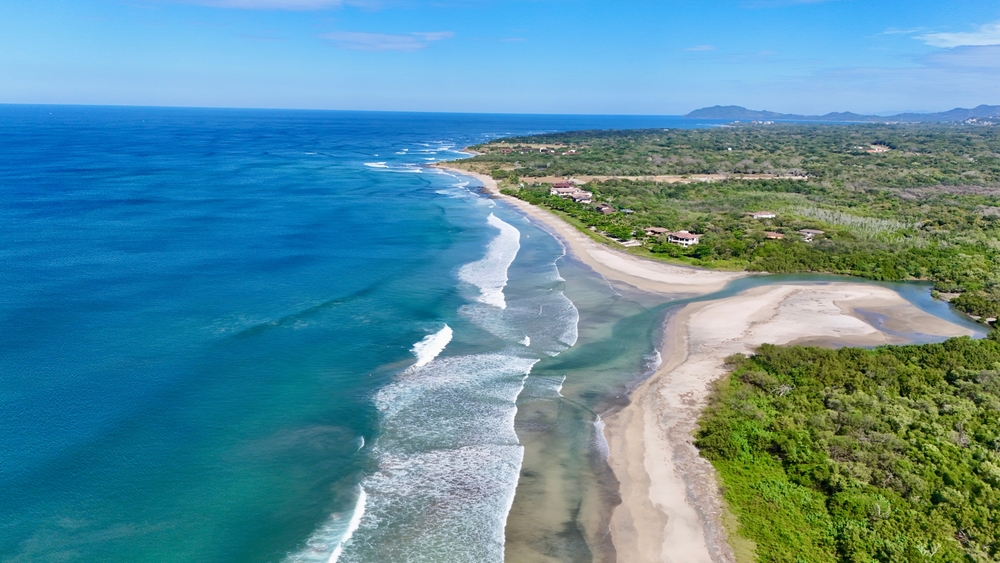
At the foot of Carara National Park, Tárcoles brings together giant crocodiles, scarlet macaws and one of the highest waterfalls in Costa Rica.
With the crocodile river, Carara National Park and a stunning waterfall nearby, Tárcoles offers the perfect blend for an unforgettable nature escape in Costa Rica.
History
The name Tárcoles comes from the Huetar indigenous people who lived in the central valley of Costa Rica during pre-Columbian times. The village is deeply connected to the Rio Tárcoles, famous for its thriving crocodile population. The construction of the Tárcoles Bridge in the 1960s marked a turning point for local development, particularly in tourism. Tárcoles was officially recognized as a city on November 30, 1988, with the signing of Acuerdo 431.
Discover Tárcoles
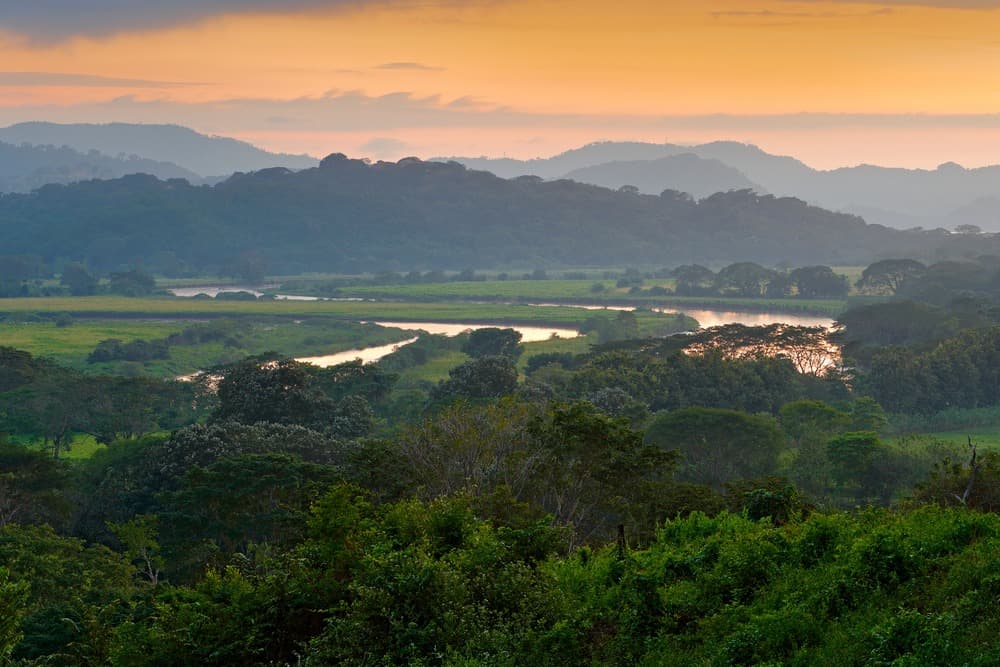
Tárcoles is an essential stop when traveling to Costa Rica's southern Pacific coast. The town sits at the gateway to Carara National Park, in a transition zone between the dry climate of the north and the tropical humidity of the south. This fusion of two distinct biomes creates a remarkably diverse habitat for wildlife and flora.
Observe Costa Rica's largest crocodiles in the Rio Tárcoles
A colony of over 220 crocodiles inhabits the Rio Tárcoles. The largest measure more than 16 feet and can weigh up to 1,100 pounds. Near the village, head to the bridge spanning the river to witness these formidable creatures basking on muddy banks. Take the opportunity to spot local bird species, including jacanas, egrets, herons and roseate spoonbills.
The Rio Tárcoles carries the unfortunate distinction of being the country's most polluted river. While Costa Rica strives to be a model for environmental stewardship, past ecological neglect has left its mark on the waterway.
Birdwatch in Carara National Park
Carara National Park is an unmissable destination in the Tárcoles region. Despite its modest size of 52 km², this reserve ranks among Costa Rica's premier biodiversity hotspots, thanks to its transition forest ecosystem. Here, species from both dry and humid forests coexist, delighting wildlife enthusiasts.
Five trails wind through the park's lush vegetation, offering vistas of the Rio Tárcoles' meandering course. The natural beauty captivates the senses, but it's the abundance of colorful birds that truly defines the reserve's reputation. Nearly half of all bird species recorded in Costa Rica inhabit this park, making it a true sanctuary for ornithologists. The crown jewel is undoubtedly the scarlet macaw, an increasingly threatened species. You may also encounter the blue-headed parrot and orange-billed toucanet along the trails. Among mammals, you'll find white-tailed deer, collared peccaries, sloths, red brocket deer, monkeys, and countless other remarkable creatures.
Marvel at the Manantial de Agua Viva Waterfall
Prepare to be astonished by one of Costa Rica's highest waterfalls. Located beyond the Villa Lapas hotel, the Manantial de Agua Viva waterfall plummets from a breathtaking height of 200 meters. Follow the 3 km trail developed by the landowners and feel the cool touch of nature surrounding you. Benches and scenic overlooks provide different perspectives of the cascade. At the waterfall's base, natural pools invite you for an invigorating swim.
When to Visit?
Visit Tárcoles between December and April during the dry season for mild temperatures and clear skies during your outings. Rainfall is minimal during this period, making it ideal for hiking the surrounding forests.
From San José, take Route 27 heading toward Puntarenas. At Coyolar, turn onto Route 34, which passes through Jaco, Quepos, and Manuel Antonio. After traveling roughly fifteen kilometers, you'll reach Tárcoles. This journey can be completed by bus.
What to Do in Tárcoles?
- Observe crocodiles from the Tárcoles Bridge
- Spot scarlet macaws in Carara National Park
- Discover the biodiversity of the transition forest
- Admire the Manantial de Agua Viva waterfall
- Refresh yourself in natural pools, and more
Want to discover this destination?
Our local advisors design your tailor-made trip.