Northern Pacific and Guanacaste
The driest province in the northwest, Guanacaste stretches from Papagayo Gulf beaches to Sámara, with active volcanoes and sabanero villages across the Nicoya Peninsula.
Guanacaste occupies northwestern Costa Rica, between the Nicaraguan border and the Gulf of Nicoya. It is the country's driest province: the rainless season extends from December through April, with temperatures regularly climbing to 32°C on the coast, and the northeast trade wind—the alisio—blowing strongly from January to March across Papagayo and Culebra bays. This weather patterns everything, from harvest calendars to beach attendance.
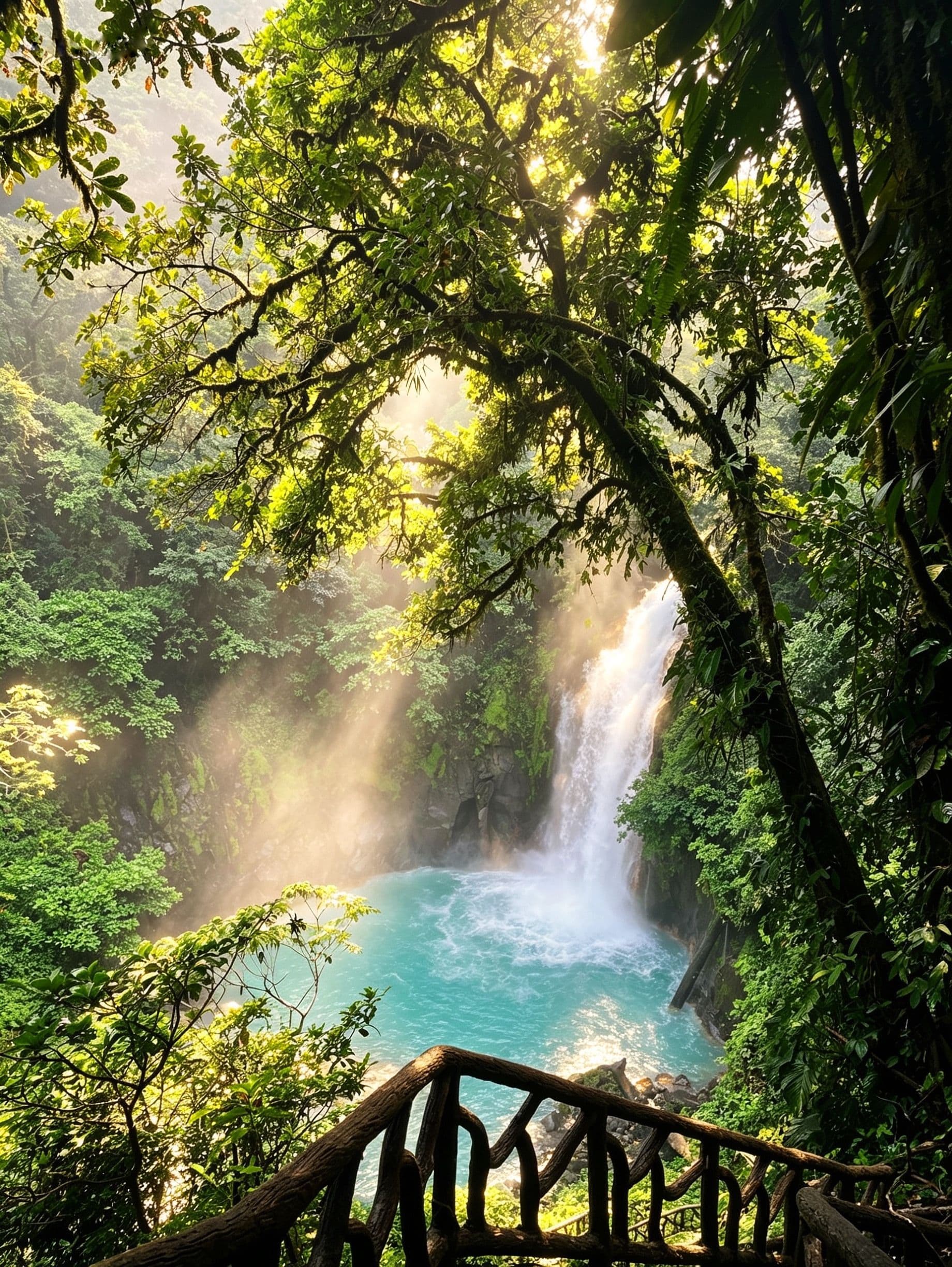
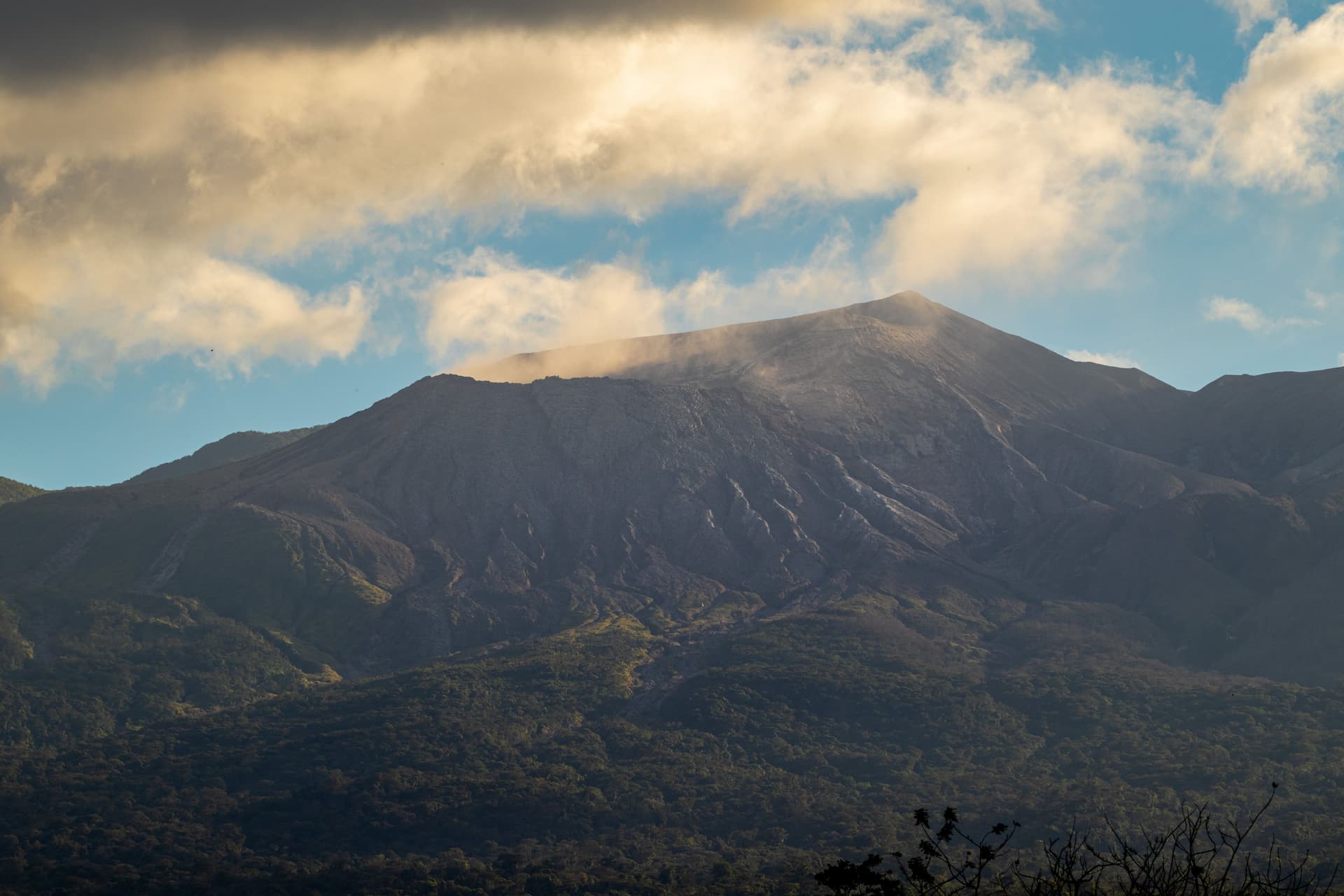
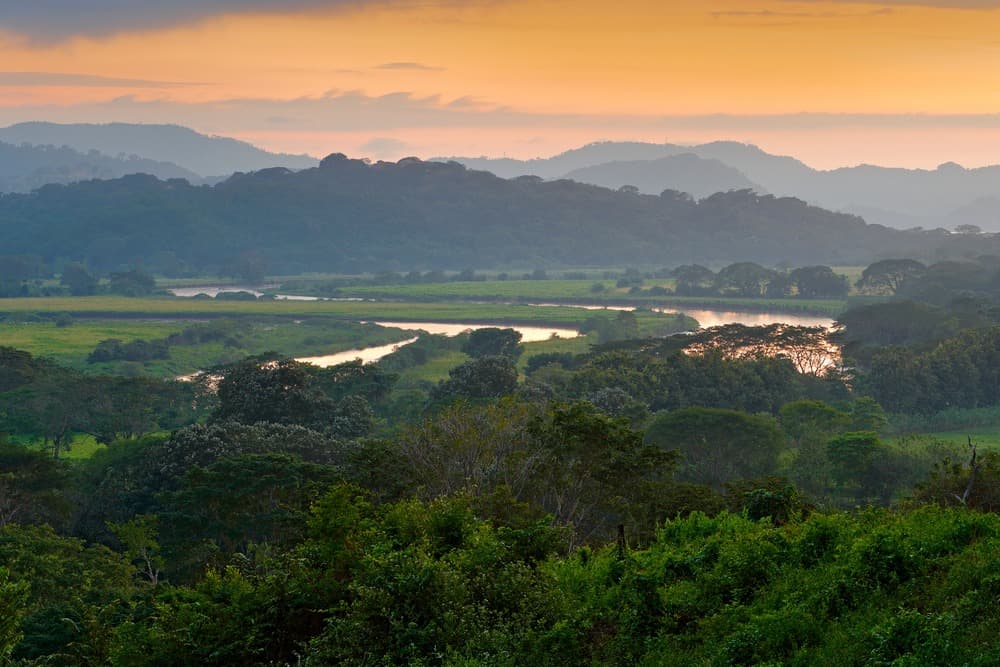
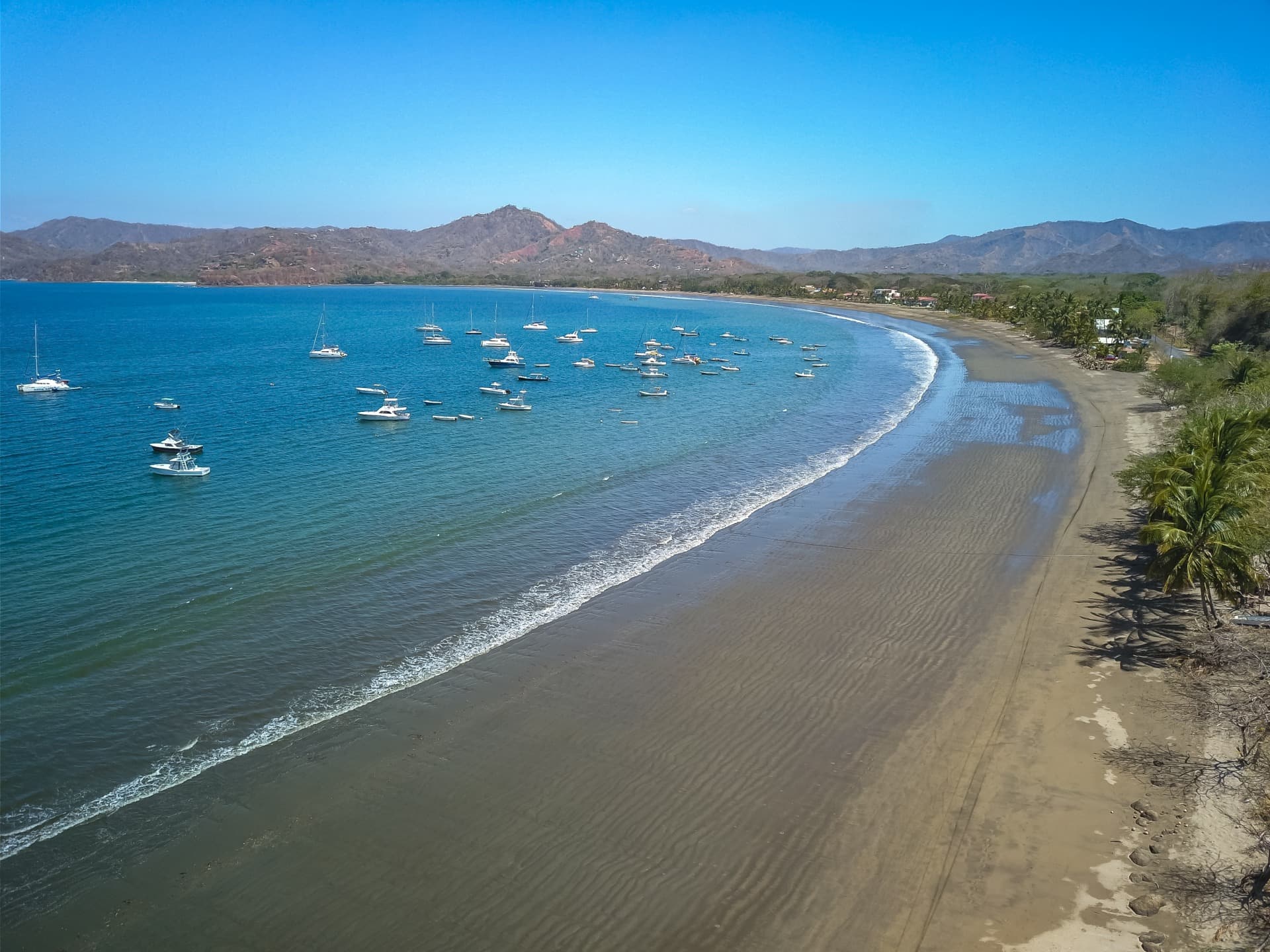
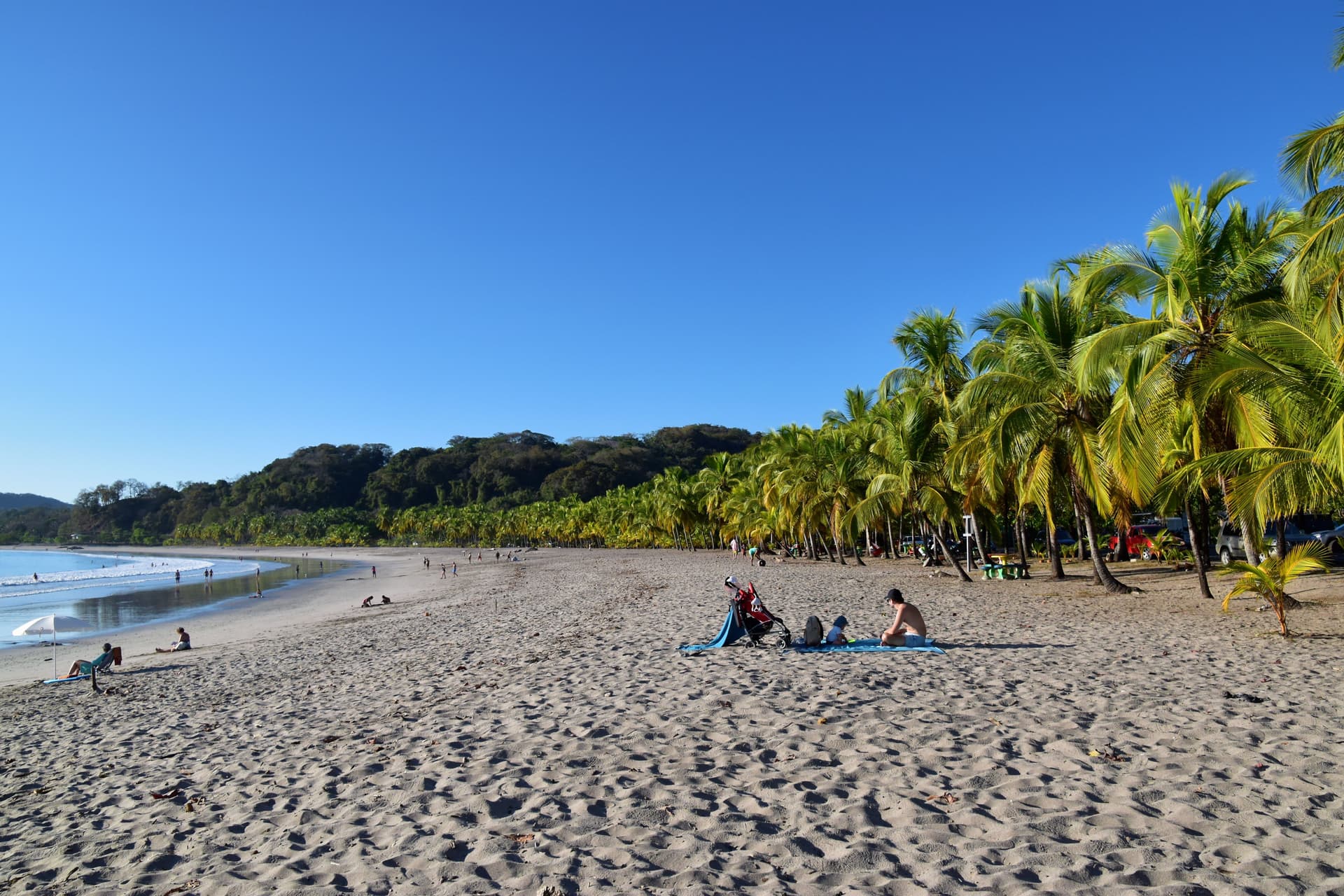
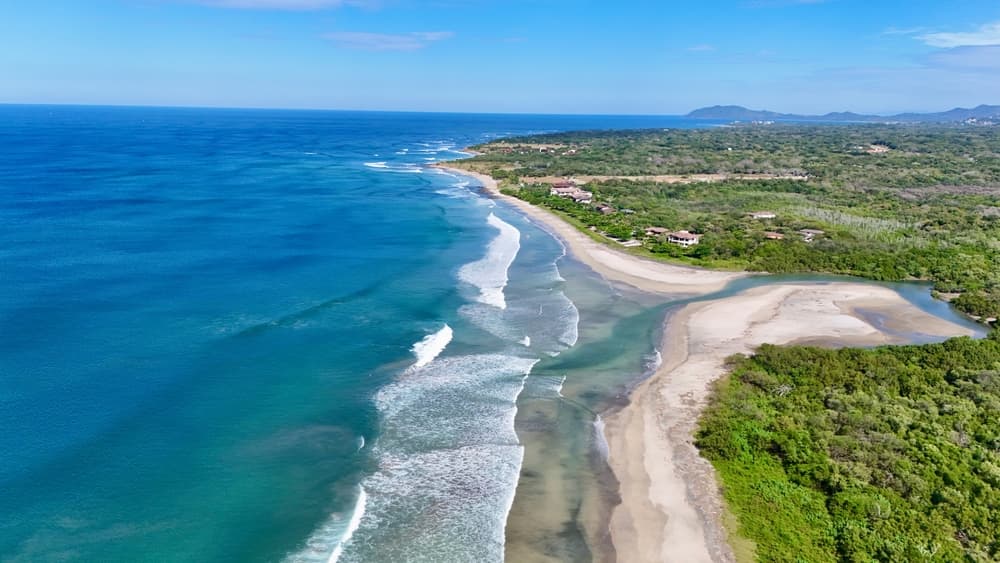
The geography unfolds in three parallel bands. To the east, the Guanacaste mountain range lines up its volcanoes—Rincón de la Vieja, Miravalles, Tenorio—their slopes cloaked in tropical dry forest, a rare ecosystem that sheds its leaves in hot season and turns green again in May. In the center, the Tempisque plain, home to the region's main river, hosts extensive cattle ranching and sugarcane plantations. To the west, the coast cuts a succession of rocky promontories and beaches, from Playa Hermosa in the north down to Sámara, passing through Playa Conchal with its crushed-shell sand, Tamarindo, Avellanas, and Nosara.
Guanacaste cultivates a distinctive identity rooted in its ranching past. The figure of the sabanero—the local cattle herder—remains central to the regional imagination: you'll encounter it during the civic festivals of Santa Cruz and Liberia in January, with Costa Rican-style bull runs (where the animal is not killed) and marimba concerts, the national instrument declared cultural heritage. The gastronomy leans toward corn: hand-made tortillas, sopa de albóndigas, arroz de maíz, and rosquillas—a dry cheese biscuit found in the markets of Bagaces or Nicoya.
The Nicoya Peninsula, which extends the province southward, has been identified as one of five Blue Zones worldwide—regions where longevity statistically exceeds the global average. A diet of black beans, squash, and tortillas; water rich in calcium; and active living well into advanced age: researchers see it as a model, and villages like Hojancha and Nicoya have made it a point of local pride.
Tourism economy has centered around the Daniel Oduber International Airport in Liberia, which opened to long-distance flights in the early 2000s. The region saw the rise of major resort developments (Papagayo, Tamarindo), yet retains quieter pockets to the south, around Nosara, Playa Pelada, and Sámara, where real estate pressure is lighter and fishing pangas still set out before dawn. Surfing shapes life in several villages: Tamarindo and Avellanas for year-round consistent waves, Nosara (Playa Guiones) for regular swell and well-established schools.
Inland, Rincón de la Vieja National Park, centered on the active volcano of the same name, offers trails crossing fumaroles, bubbling mud pools, and hot springs. Palo Verde Park, on the Tempisque, is a prime site for watching migratory birds between December and March. Further north, Santa Rosa Park preserves the memory of the 1856 battle against the filibusters of William Walker, a founding episode in Costa Rican national sentiment.
Must-see
Rincón de la Vieja Volcano. A 3 km loop in the Las Pailas sector, passing sulfurous fumaroles, steaming gray mud pots, and small geysers. The thermal baths of Río Negro, at day's end, extend the hike beautifully.
Southern beaches, Nosara and Sámara. Regular swell at Playa Guiones for surf learning, calmer waters at Sámara sheltered by a reef. Human-scale villages, kayak outings to Isla Chora at sunrise.
Santa Cruz Market and Civic Festivals. In January, Costa Rican-style bull runs, sabanero parades, and marimba concerts. The rest of the year, stalls brimming with rosquillas and chorreadas (fresh corn cakes) at the municipal market.
Palo Verde Park on the Tempisque. Boat outings from December to March to spot jabiru storks, ibis, and crocodiles along the riverbanks. The northwest's densest bird concentration.
Nicoya Blue Zone. A stop around Hojancha or Nicoya to understand the lifestyle that places the peninsula among the world's longest-living regions. Meals with local families, visits to family fincas.
When to visit
The dry season, from mid-December through late April, offers the most stable window: clear skies, coastal temperatures between 28 and 33°C, nights around 22°C. January through March concentrate the trade winds, pleasant on the beach but sometimes challenging for boat trips in Papagayo Gulf. April is the hottest month, reaching 35°C on the Tempisque plain, and the dry forest is then completely leafless.
From May through November, rains arrive in late afternoon as short downpours. The region remains accessible, and it's actually the best time to see the dry forest in full activity, with flowering trees (cortez amarillo in March-April, then roble de sabana). September and October are the wettest months, with roads occasionally cut in the Nicoya Peninsula. At higher elevations around Rincón de la Vieja, expect 3 to 5°C cooler than the plain, with more rainfall year-round.
Practical advice
We recommend 4 to 6 days for the region, combining a coastal stay (Papagayo, Tamarindo, Nosara, or Sámara depending on your profile) and an inland foray to Rincón de la Vieja or Tenorio. Liberia's international airport, 30 minutes from the first beaches, is the most logical entry point: it saves the 4 to 5-hour drive from San José. Road conditions are good along the Liberia-Tamarindo axis, more rustic in southern Nicoya Peninsula, where some tracks remain unpaved.
Guanacaste naturally combines with Arenal and Monteverde (3 to 4 hours' drive from Liberia), linking beach, active volcano, and cloud forest on a 12 to 15-day circuit. Travelers wishing to add the dense wildlife of the Southern Pacific can then head to the Osa Peninsula, preferably by domestic flight. The region suits families (shallow beaches at Sámara, Conchal), beginner and advanced surfers, and travelers nearing trip's end seeking a few restful days without forsaking a national park or two. Wide range of comfort levels, from family lodges to high-end resorts in Papagayo Gulf.