Tortuguero National Park
Tortuguero National Park
On Costa Rica's Caribbean coast, Tortuguero National Park protects canals, mangroves and nesting beaches for green sea turtles.
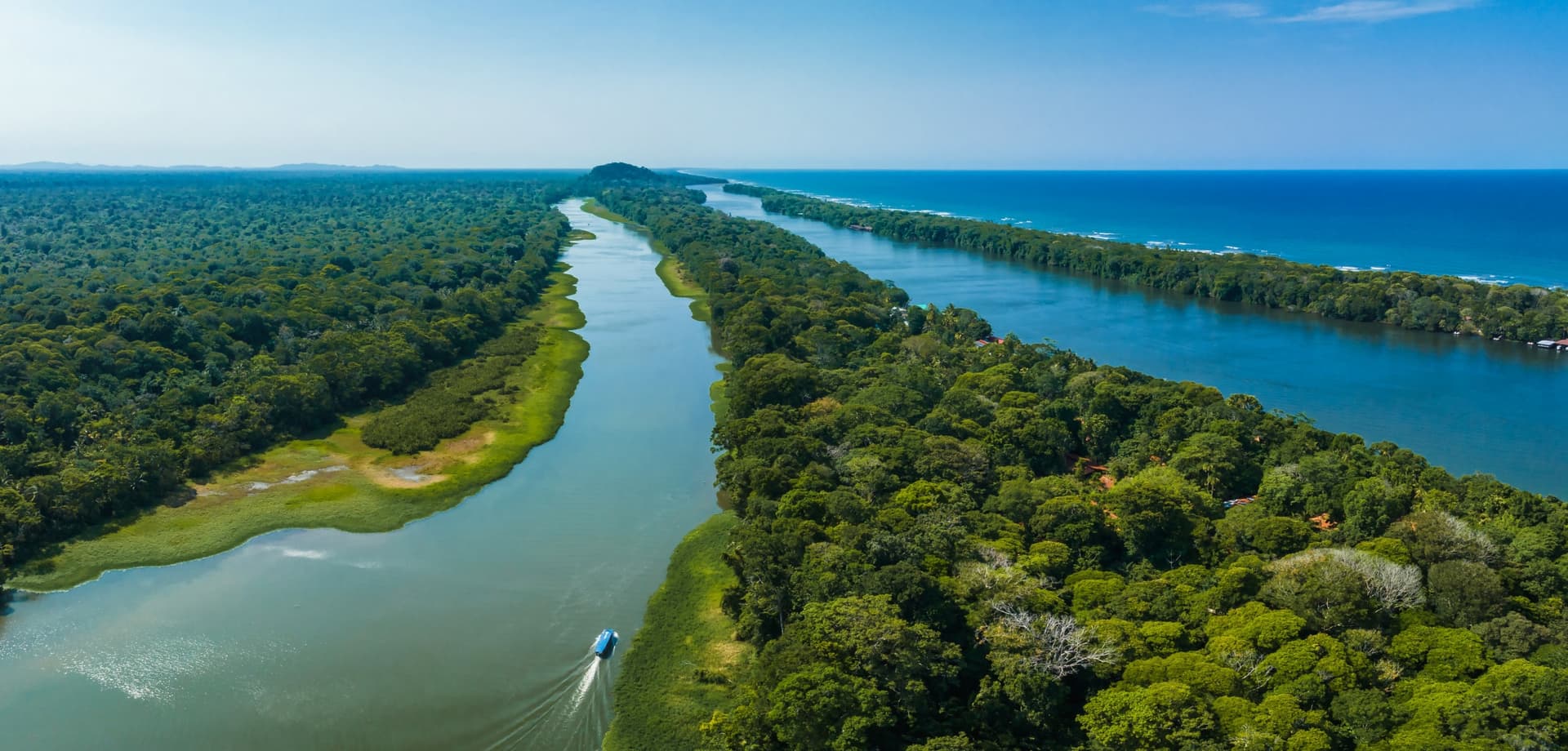
Tortuguero National Park, located in the province of Limón on Costa Rica's northern Caribbean coast, protects a network of canals, lagoons and humid tropical forests renowned for sea turtle nesting. The park covers nearly 19,000 hectares of terrestrial area and over 50,000 hectares of marine zone, where eleven distinct habitats coexist.
Why visit Tortuguero
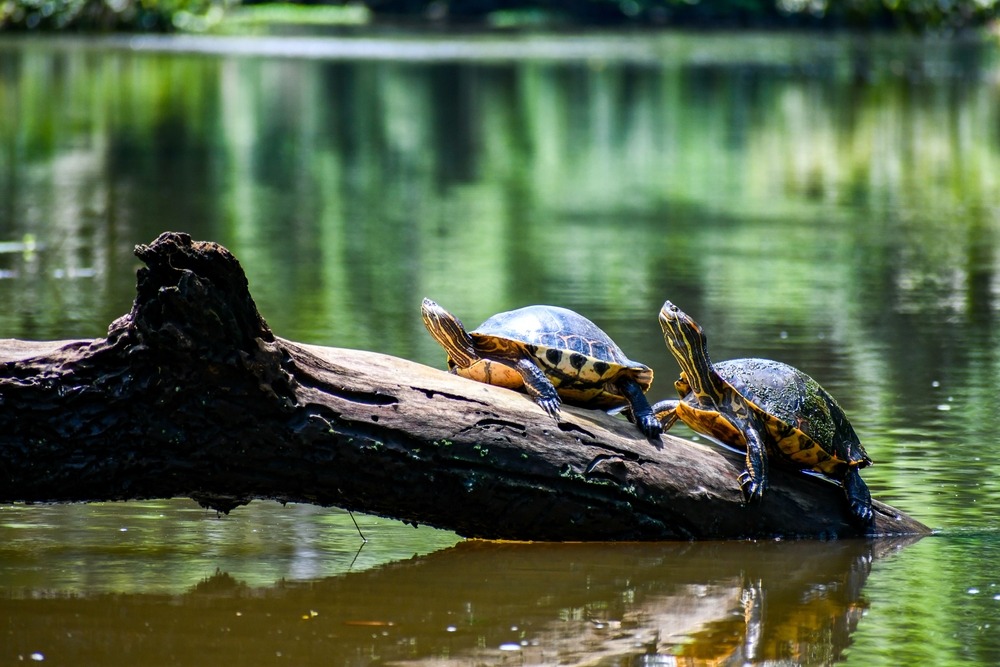
The park concentrates rare biodiversity, with approximately 2,000 plant species and 400 tree species recorded. Caimans, manatees, howler monkeys, sloths, toucans and macaws cross visitors' paths along the canals. The region owes its name and reputation to green sea turtles, which arrive each year to nest on its black sand beaches, making Tortuguero one of the principal nesting sites for this species in the western hemisphere.
The absence of paved roads reinforces the site's remoteness: access is only by boat or small aircraft, which limits visitor numbers and preserves the area's atmosphere.
Park history
Before the colonial era, the first inhabitants lived by hunting, fishing and collecting turtle eggs, in a coastal economy closely tied to marine resources. The arrival of Spanish colonists in 1541 marked a turning point: a small settlement was established at San Juan de la Cruz to facilitate trade between Panama and Nicaragua.
In the late 19th century, the construction of the railway connecting Limón to San José, begun in 1890, attracted Afro-Caribbean workers from Jamaica, whose descendants still form a significant part of Costa Rica's Caribbean population. The opening of the first sawmill in 1940 initiated intensive forestry exploitation and the arrival of schools, transportation and healthcare systems.
Pressure on the ecosystem prompted the government to create the national park in 1972. Since then, turtle hunting has given way to an economic model founded on conservation and wildlife observation tourism.
What to see and do
Navigate the canals
Boat and kayak excursions are the primary way to explore the park. The canals wind through forest and mangroves, offering prime wildlife observation points. Early morning outings, when it's cooler and animals more active, are generally most productive.
Observe turtle nesting
From June to September, green sea turtles climb the beaches to nest, followed later in the season by other species. Observation is done in small groups, accompanied by an authorized guide, along a marked trail to avoid disturbing the animals.
Trails and hiking
A few hiking trails complement the aquatic experience, notably the El Gavilán trail, which crosses humid forest near the main entrance station.
Sea Turtle Conservancy
Located in the village of Tortuguero, the Sea Turtle Conservancy presents the history of protection programs conducted since the 1950s and remains a useful stop for understanding local conservation issues.
When to go
The climate remains warm and humid year-round, with an average around 26 °C. Rainfall is nearly constant, but drier windows occur around February-March and October-November, favorable for hiking and general wildlife observation.
- February, March, October, November: least rainy periods, pleasant conditions for boating.
- June to September: green sea turtle nesting season, the most sought-after period for this spectacle.
Even in the wet season, sunny afternoons are not uncommon; it's rarely necessary to cancel an outing due to rain.
Practical information
The park is visited only with an entrance ticket, valid for all sectors. Expect a modest fee for adults and reduced rates for children; booking is done in advance through Costa Rica's official national parks portal (SINAC). The park is open daily, with a midday break; verify current hours before departure, as they vary by season.
Plan for lightweight long-sleeved clothing, closed-toe shoes, mosquito repellent, rain poncho and binoculars. Local guides are strongly recommended for identifying wildlife in the canopy.
How to get there
Tortuguero is accessible from San José by two main routes:
- Bus + boat via Cariari and La Pavona: the most economical option. Bus to Cariari, connection to La Pavona, then regular boat service to the village of Tortuguero.
- Car to La Pavona: a high-clearance vehicle eases the final rough road section; parking is at La Pavona before the boat crossing.
- Flight: domestic flights connect San José to Tortuguero airstrip, a fast option but considerably more expensive.
The village of Tortuguero serves as the logistics hub: accommodations, restaurants and operator offices are concentrated here.
What to see in the region
To extend your exploration of Costa Rica's natural wonders, several sites complement Tortuguero well:
- Arenal Volcano National Park, inland, for volcanic landscapes and thermal springs.
- Monteverde Cloud Forest Reserve, emblematic of cloud forest.
- Corcovado National Park, on the Osa Peninsula, for even denser biodiversity.
- Marino Ballena National Park, on the Pacific coast, for whale watching.
Frequently asked questions
Frequently asked questions
The green sea turtle nesting season runs from June to September. Hatchings extend through October-November. Outside this window, observation is unlikely.
Hiking trails can be walked freely with a ticket, but nighttime turtle observation requires an authorized guide. A guide is also recommended on the canals for spotting wildlife.
Two to three nights allow you to combine morning canal navigation, a nighttime outing and a visit to the Sea Turtle Conservancy without rushing.
No road leads directly to the village. The final section must be done by boat from La Pavona, or by flight from San José.
Lightweight covering clothing, closed-toe shoes, rain poncho or waterproof jacket, insect repellent, red-light headlamp for nighttime outings and binoculars.
Plan your trip
Tortuguero National Park fits naturally into an itinerary combining Caribbean coast, volcanoes and cloud forests. To build a custom trip, explore our Costa Rica travel ideas.
Interested in this visit?
We can include it in your personalised itinerary.