San José
San José
Capital of Costa Rica nestled at 1,170 meters altitude in the central valley, San José blends pre-Columbian museums, vibrant markets and volcanic excursions. The complete guide to starting your tico adventure right.
San José is your gateway to Costa Rica. Discover its history by exploring its museums, visit its bustling markets and be sure to make the most of the surrounding nature.
History
In 1736, the Spanish colonial Cabildo in Costa Rica ordered the founding of San José. The city bears the name of its patron saint, Saint Joseph, whose memory is honored each year in March. In 1821, Costa Rica proclaimed its independence, making San José its capital.
San José took off from the 19th century onwards, first with the arrival of coffee barons who built majestic buildings within the city, then with the influx of Costa Ricans and citizens from neighboring countries seeking a better life. The city expanded and the first apartment buildings began to flourish in the 1960s.
Discovering San José
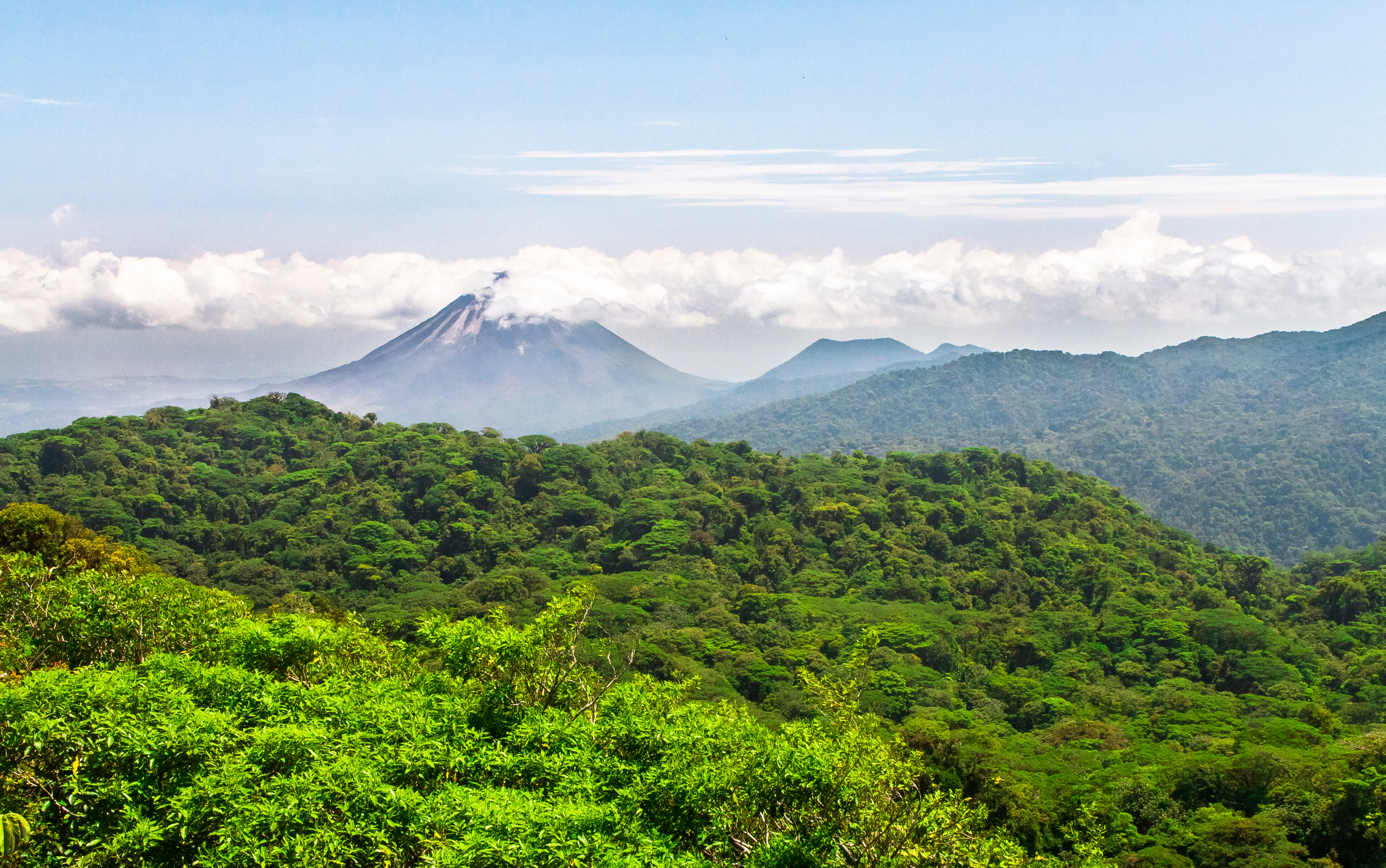
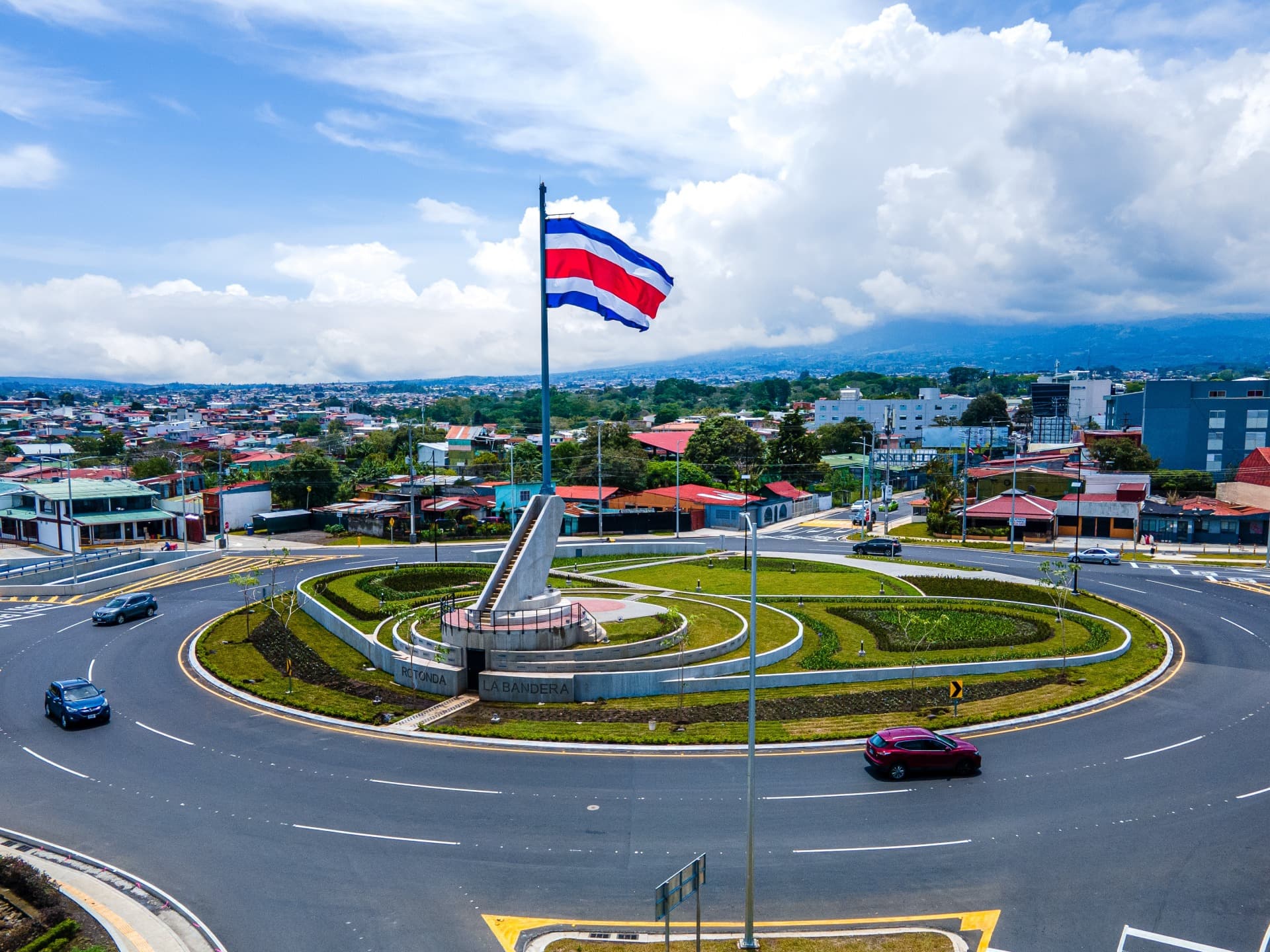
San José sits right at the heart of Costa Rica, in a verdant valley surrounded by volcanoes and mountains where the climate is mild year-round. Office buildings, commercial structures and apartments—modern architecture has taken the lead in the capital. To find ancient monuments, you must head toward the old barrios (neighborhoods) like Soledad, Otoya, Amon and Coca Cola. These are beautiful places to explore and begin discovering San José. Admire the majestic Hispanic houses, then immerse yourself in the colorful atmosphere of the Mercado Central de San José, before taking a break in one of its green parks.
San José is culturally rich
The Teatro Nacional de Costa Rica stands proudly in the center of San José. Its creation dates back to 1897 and it is the largest theater in the country. Contemplate its neo-Renaissance architecture, discover its treasures during guided tours and, if the opportunity arises, attend one of its high-level performances. Also visit the two emblematic museums of the capital: the Jade Museum and the National Museum of Costa Rica. The first will dazzle you with its vast jade collection, while the second houses exhibitions on the country's long history.
San José's markets add to the picture for immersion in popular Costa Rican culture. Near the national museum, the artisanal market preserves ancestral craftsmanship. The Borbón and Mayoreo markets are the gathering point for local producers. However, the true commercial epicenter of the city remains the Mercado Central where you'll find a bit of everything. Take advantage of your shopping to sample local beers and traditional dishes such as casado or gallo pinto.
Breathe in the great outdoors in San José
Considered the green lung of San José, Sabana Park is highly prized by Ticos and tourists, especially on weekends. Stroll along the shores of its large pond, laze in the green spaces, enjoy the numerous sports facilities, and more. All the ingredients are here for a pleasant moment of relaxation.
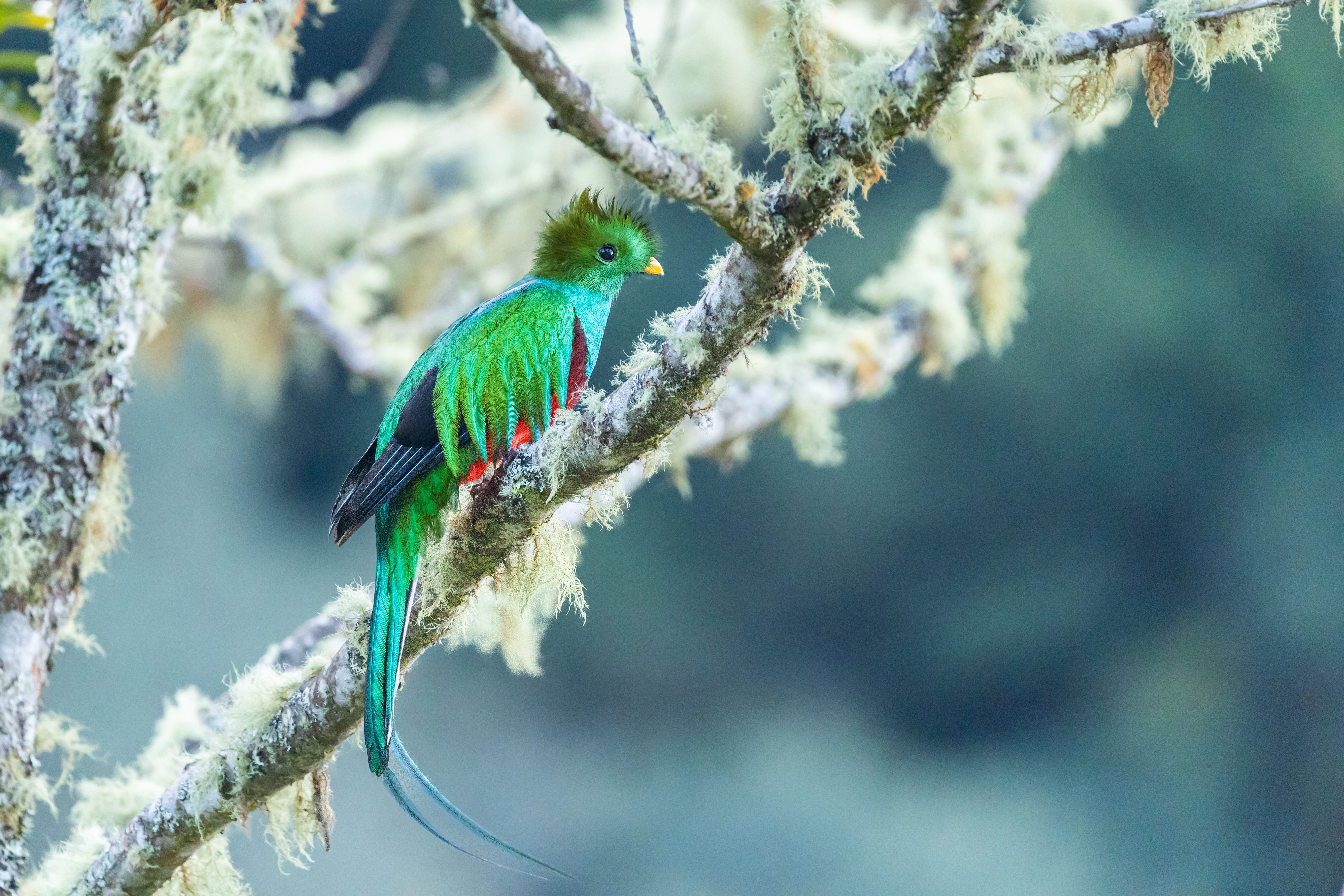
With its central location on a volcanic chain, San José also opens the door to countless adventures in the heart of nature. Hike on the slopes of Arenal volcano. Observe butterflies, hummingbirds and orchids at La Paz Waterfall Gardens. Also explore Simón Bolívar Zoo which houses over 400 animal species and 150 plant species.
When to go?
The climate in San José is mild year-round, but it is during the period from December to April that temperatures are most pleasant. Coming in February, you'll have the chance to see the Summer Festival of the National Center for Art and Culture of San José. In March, in addition to the Feast of Saint Joseph, there is the Dia del Boreyo celebration which features a parade of ox carts.
Plane
Located approximately 20 minutes from the city center, the Juan Santamaría International Airport receives direct flights from Paris. Connecting flights are available from Nantes, Marseille and Lyon. American Airlines, Delta, United, Air Canada, Lufthansa, Copa Airlines, among others, also serve San José.
Bus
Buses regularly connect the Costa Rican capital from Central American countries such as Honduras, Nicaragua, Panama and El Salvador.
Car
If you're traveling in your own car, you can enter Costa Rica and reach San José via the Nicaragua or Panama border. Roads in Costa Rica are in good condition and fairly easy to navigate.
Train
There is a train that departs for San José from Heredia, in northern Costa Rica. It's a picturesque and affordable journey.
Buses circulate throughout the city of San José. Routes are displayed in large letters on vehicle windshields. Taxis are easily identifiable by their red color. Finally, there are numerous car rental agencies if you prefer autonomy during your travels.
What to do in San José?
- Stroll through the old neighborhoods of Soledad and Otoya
- Admire the artifacts of the National Museum of Costa Rica
- Visit the Teatro Nacional de Costa Rica
- Taste Costa Rican street food at the Mercado Central
- Hike at Arenal volcano, and more
Attractions in San José
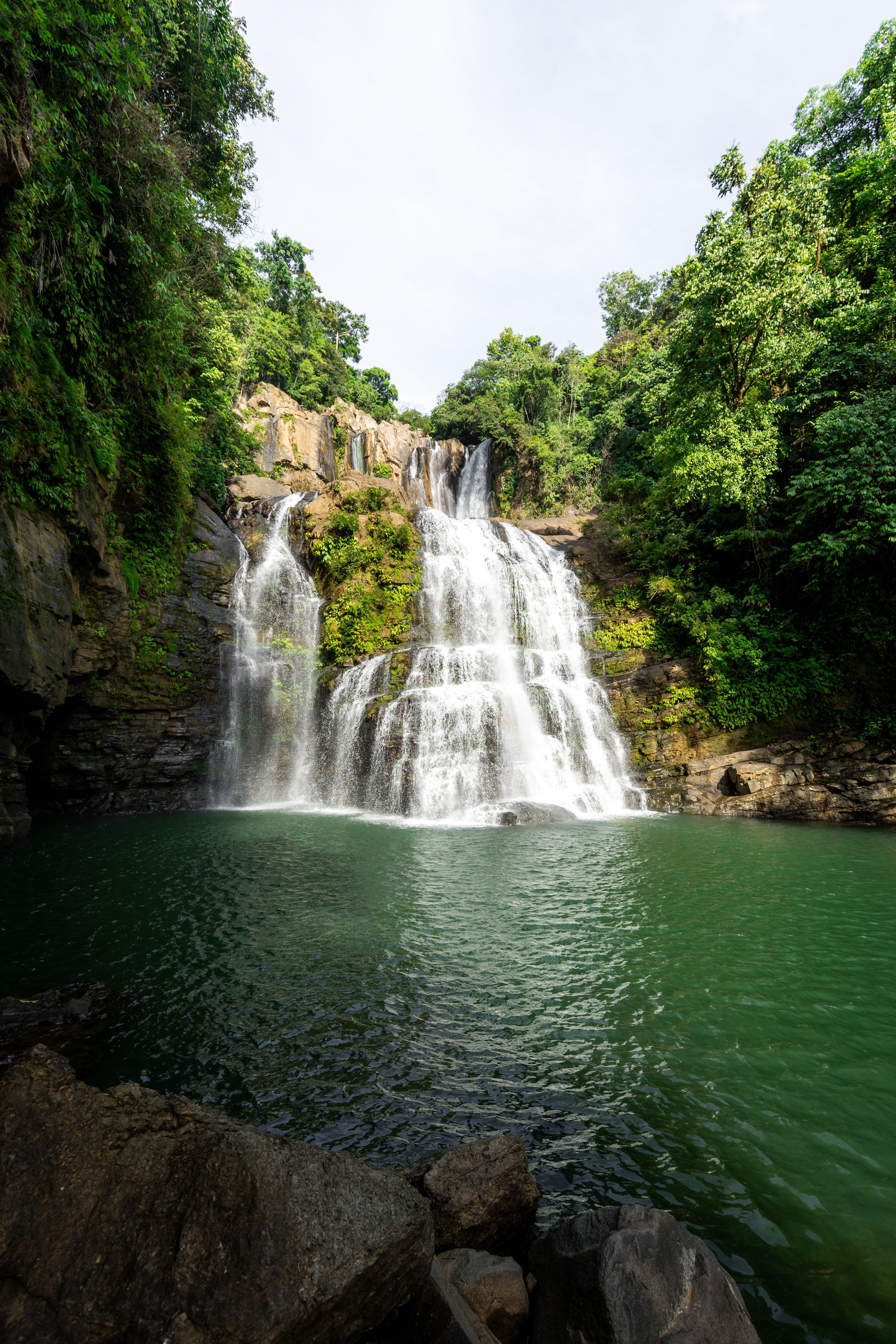
Les Cascades de Nauyaca
Dans le Pacifique sud du Costa Rica, les Cascades de Nauyaca déroulent deux chutes successives au creux d'un canyon de 80 m, accessibles à pied, à cheval ou en 4x4.
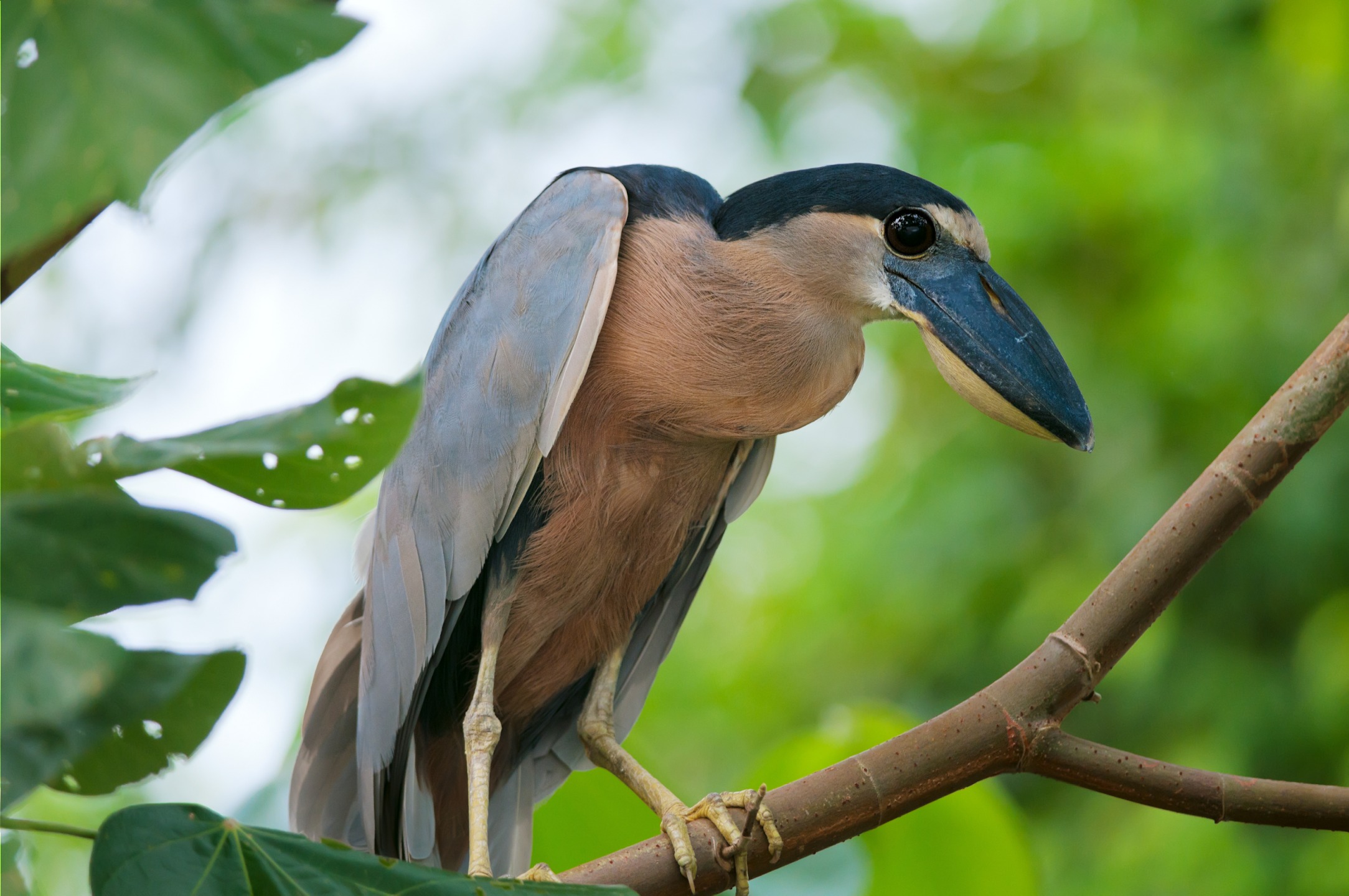
Park National de Carara
À l'ouest de San José, le parc national de Carara protège une zone de transition forestière unique, refuge majeur des aras écarlates au Costa Rica.
Accommodation in San José
See all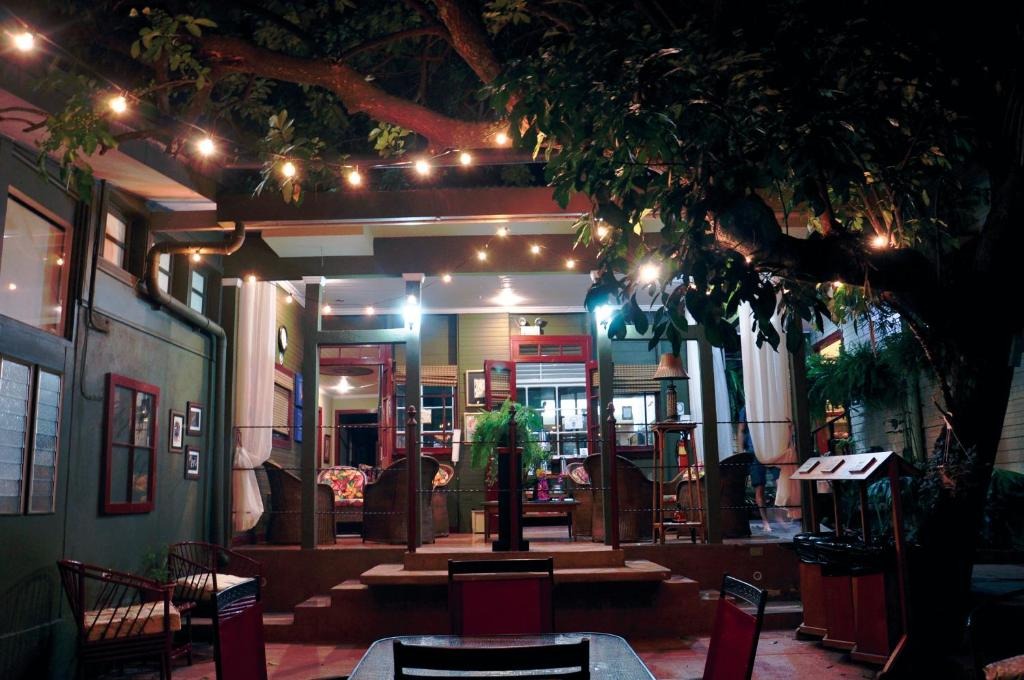
Hotel Aranjuez
Cinq maisons des années 1930 réunies dans le quartier historique de Barrio Aranjuez à San José, avec engagement écologique reconnu par Tripadvisor.

Hôtel Fleur de Lys
Ancien manoir victorien dans le quartier historique de San José : 31 chambres baptisées d'après des fleurs exotiques du Costa Rica et œuvres d'art locales.

Hotel Autentico
Hôtel 4 étoiles à San José, l'Hotel Autentico associe hospitalité familiale, suites spacieuses, restaurant Mastico et accès facile à la gare routière.
Want to discover this destination?
Our local advisors design your tailor-made trip.