Proyecto Asis Wildlife Rescue Center
Proyecto Asis Wildlife Rescue Center
Just 30 minutes from La Fortuna, Proyecto Asis cares for and rehabilitates wild animals affected by trafficking and deforestation. Guided tours and volunteer opportunities available.
About 30 minutes from La Fortuna, in Alajuela province, the Proyecto Asis wildlife rescue center takes in, treats, and works to reintroduce wild animals affected by trafficking, habitat destruction, or road collisions. Costa Rica concentrates roughly 5% of the world's biodiversity on just 0.03% of the planet's land: this reality underscores the center's vital mission.
Why Visit Proyecto Asis
This is neither a zoo nor a theme park. You'll observe monkeys, sloths, coatis, kinkajous, peccaries, caimans, turtles, bats, and several bird species (macaws, toucans, parrots) in a setting focused on care and rehabilitation. Guided tours explain how each resident arrived, making the experience educational as well as visually rewarding. It's a valuable stop for understanding the pressures facing Costa Rican wildlife before or after visiting nearby national parks.
Center History
Proyecto Asis takes its name from Saint Francis of Assisi, patron saint of nature. The project began with a local veterinarian treating injured and orphaned animals at his practice before establishing a dedicated rehabilitation center. Today, the facility collaborates with Costa Rican environmental authorities and several NGOs to rescue animals from illegal trafficking, customs seizures, and public reports.
What You'll See
Residents span mammals, reptiles, and birds. Among the species regularly present:
- Mammals: monkeys, sloths, coatis, kinkajous, peccaries, bats
- Reptiles: caimans, turtles
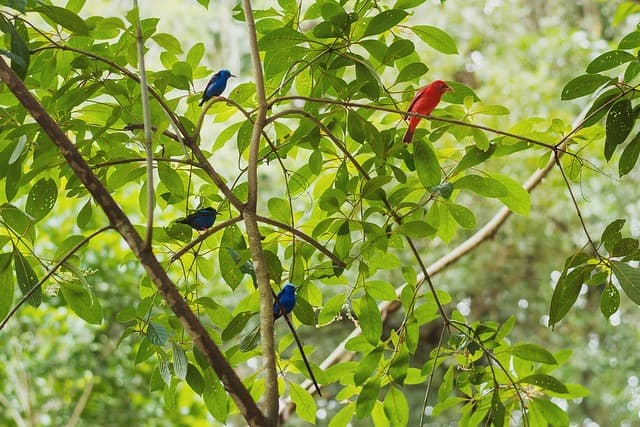
- Birds: macaws, toucans, parrots, manakins, boat-billed herons, black-billed whistling ducks
Many of these animals have suffered from trafficking, mistreatment in captivity, habitat loss, or road accidents. The center has veterinary facilities for surgery, medication, and rehabilitation. When an animal retains its wild instincts and capacity to survive alone, it's gradually released back into nature. Those too habituated to humans or too weakened remain on-site.
Guided Tours and Workshops
Visits are led by guides who detail each animal's story and conservation challenges. Multiple formats are available: short tours lasting a few hours, half-day workshops combining observation with care participation, Spanish lessons combined with volunteering, and multi-day to multi-week volunteer programs.
Volunteering
Volunteers help prepare meals, clean enclosures, participate in habitat improvements, and assist care staff. The program is designed for those wanting hands-on understanding of how a rehabilitation center operates, without seeking direct contact with wildlife.
Practical Information
Advance booking is required through the center's official website. The center is open weekdays and Saturdays, with morning and afternoon sessions; since hours and opening days may vary, confirm them when booking. Bring sturdy closed-toe shoes, insect repellent, a water bottle, and covering clothing. Sessions range from a few hours for a simple visit to several days for volunteer programs.
How to Get There
From La Fortuna
Allow about 30 minutes by car via Route 142 toward Javillos. Taxis are readily available in La Fortuna. The center can also arrange private transfers upon request when booking.
From San José
The drive takes 2 to 3 hours depending on traffic, via Route 1 then the road to La Fortuna. By bus, services depart from Terminal 7-10 in San José toward La Fortuna or Ciudad Quesada (San Carlos); check schedules with the operator the day before since frequencies vary.
When to Visit
The La Fortuna region has two seasons. The dry season (roughly December to April) makes travel easier and offers the most stable conditions for outdoor visits. The wet season (May to November) brings often intense afternoon showers, but vegetation is lusher and crowds thinner. The center operates year-round. Simply bring a rain poncho and appropriate footwear during the rainy season.
Nearby Attractions
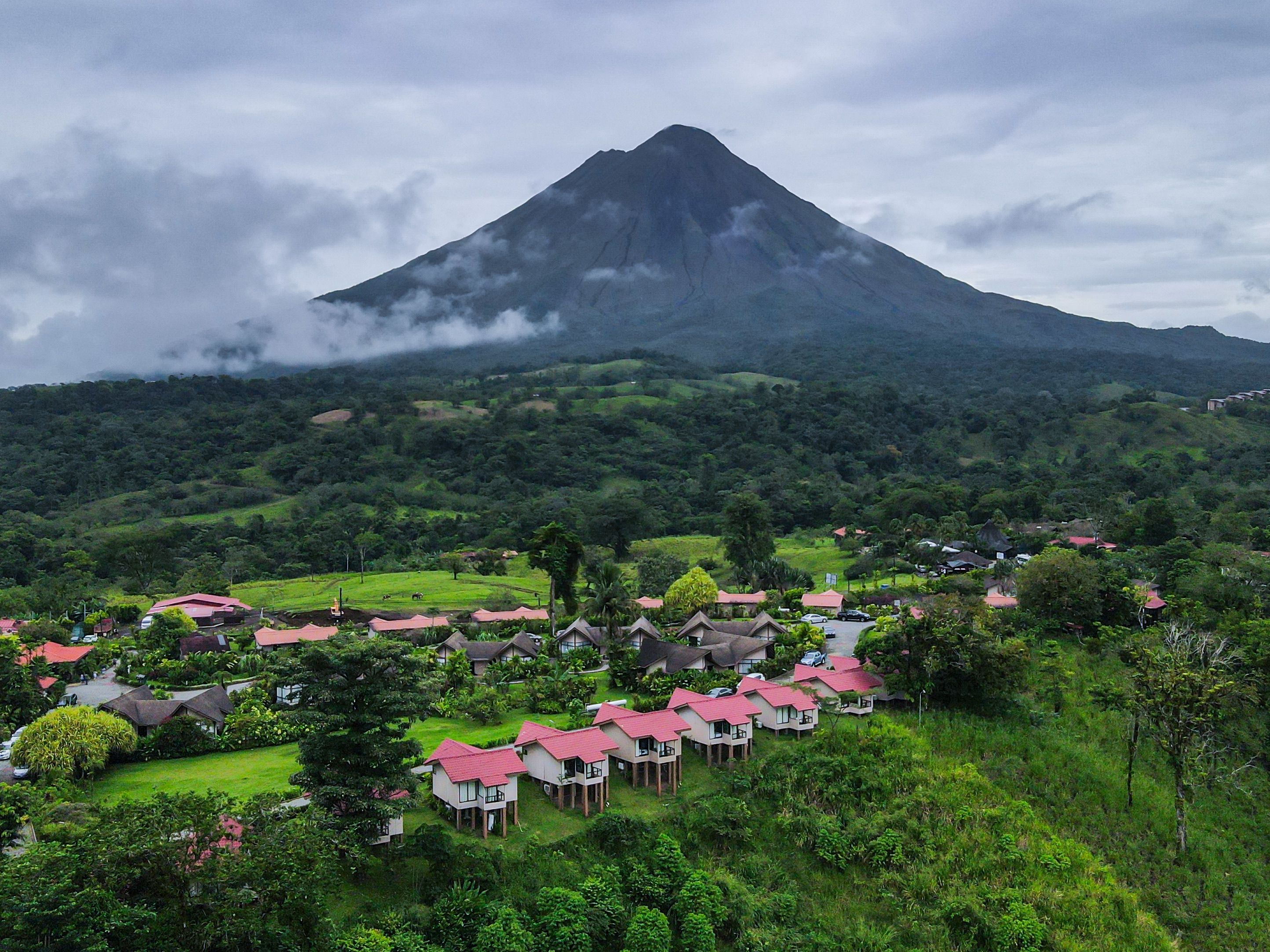
Proyecto Asis integrates naturally into a La Fortuna itinerary. The Arenal Volcano National Park and its lava-flow trails are nearby. Farther west, the Monteverde Biological Reserve offers cloud forest exploration. To extend to the Caribbean coast, the Tortuguero National Park is renowned for sea turtle nesting. On the Pacific side, Marino Ballena National Park and Corcovado National Park round out a wildlife and nature itinerary.
Frequently Asked Questions
Frequently asked questions
Planning the Rest of Your Trip
A visit to Proyecto Asis fits naturally into a Costa Rica nature circuit. To build an itinerary combining La Fortuna, volcanoes, cloud forest, and coastlines, explore our Costa Rica trips.
Interested in this visit?
We can include it in your personalised itinerary.