Puerto Viejo De Limon
Puerto Viejo De Limon
Puerto Viejo de Talamanca blends wild beaches, surfing waves, coconut-creole gastronomy and access to Bribri indigenous territories, on Costa Rica's southern Caribbean coast.
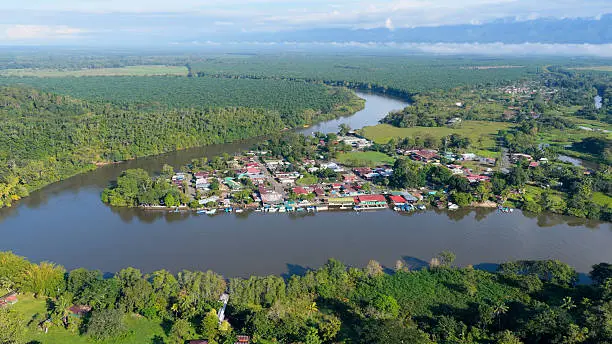
Puerto Viejo de Talamanca is a coastal town in Limón province, on Costa Rica's southern Caribbean coast. Nestled between the Caribbean Sea and the tropical forest of Cahuita National Park, it merges Afro-Caribbean culture, surfing, creole gastronomy and direct access to coral reefs. It's one of the rare destinations in the country where Rastafari culture, coconut-milk cuisine and wild beaches coexist within minutes by bike.
Quick practical information
Access: buses from San José (Caribe terminal) or from Limón; San José–Puerto Viejo journey approximately 4 hours.
Getting around: bike rental, tuk-tuk or on foot — the town is compact.
Dress code: casual; cover up to enter nearby indigenous villages.
Recommended length of stay: 2 to 4 days to combine beaches, Cahuita Park and Bribri villages.
Season: the Caribbean coast has two dry seasons (March–April, September–October); rain is present year-round.
What to see
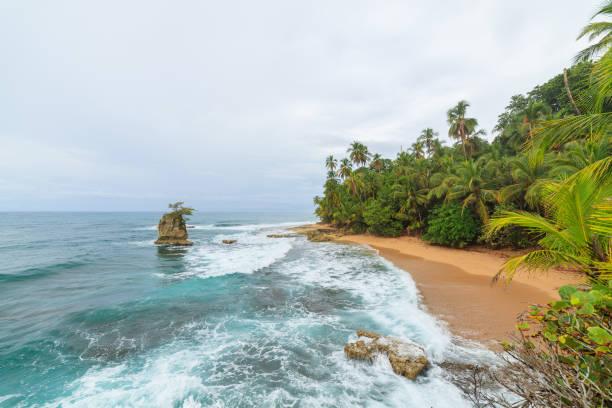
Puerto Viejo's waterfront concentrates restaurants, sodas (small local eateries) and bars overlooking the beach. Playa Negra, with its dark volcanic sand, runs along the town's north side. Heading south, the coastal road leads to Playa Cocles, Playa Chiquita and Punta Uva, renowned for their turquoise waters and dense vegetation right to the shoreline.
History and context
The region was inhabited by the Bribri and Cabécar indigenous peoples long before colonization. The arrival of Afro-Caribbean workers — notably Jamaicans — for the construction of the banana railroad in the 19th century shaped local culture. Creole English (patois) remains spoken alongside Spanish. Puerto Viejo was only connected to the rest of Costa Rica by paved road in the 1970s, explaining its distinct identity.
Highlights of a visit
Playa Cocles and surfing
Playa Cocles is home to the Salsa Brava wave, one of Costa Rica's most powerful breaks, which crashes over a shallow reef. It attracts experienced surfers. Beginners prefer the gentler waves of Playa Cocles outside peak swell.
Punta Uva
About 8 km south of town, Punta Uva is an arc-shaped beach fringed with palm trees and primary vegetation. The water here is calm, ideal for swimming and snorkeling over coral formations close to shore.
Afro-Caribbean cuisine
Rice and beans cooked in coconut milk, rondon (seafood and root vegetable stew) and homemade coconut bread are signature dishes. The sodas at the central market and restaurants run by local families serve the most authentic versions.
Bribri territories
The Bribri Indigenous Reserve of Talamanca is accessible from Puerto Viejo. Local guides organize visits to communities, including discovery of cacao culture and traditional medicinal practices. These visits must be booked through certified local operators.
Photography tips
Golden morning light is ideal at Playa Negra, where dark sand contrasts with green palms. At Punta Uva, sunset is visible from the rocky point. Avoid midday: the light is harsh and the sky often overcast. Always ask permission before photographing residents or ceremonies in indigenous communities.
Location and access
Puerto Viejo de Talamanca is located about 200 km from San José via National Road 32 then Road 36 along the Caribbean coast. The town is roughly thirty kilometers south of Cahuita and in immediate proximity to Cahuita National Park. The Panama border (Sixaola) is about 45 km away. No commercial airport in Puerto Viejo; the nearest is Limón Airport.
Surrounding areas
Cahuita National Park — coral reefs, beaches and humid tropical forest 30 km to the north.
Cahuita — quieter Caribbean village, entry point to the namesake national park.
Punta Uva — wild beach 8 km away, ideal for snorkeling.
Manzanillo — fishing village at road's end, gateway to the Gandoca-Manzanillo Wildlife Refuge.
Gandoca-Manzanillo Wildlife Refuge — mangroves, dolphins and sea turtle nesting.
Frequently asked questions
March-April and September-October offer the driest conditions on the Caribbean coast. The rest of the year, showers are frequent but brief. Avoid December-January if you're seeking good weather: it's often the wettest period on this coast.
A bike is sufficient to reach Playa Cocles, Playa Chiquita and Punta Uva from town. For Manzanillo or indigenous reserves, a car or taxi is more practical. Bike rentals are available in central Puerto Viejo.
No. Salsa Brava is a powerful reef wave, reserved for experienced surfers. Beginners learn instead at Playa Cocles or Playa Negra, where conditions are gentler.
Go through certified local operators who work directly with Bribri families. These visits typically include an introduction to cacao culture. Respect community rules: ask before photographing and follow your guide's instructions.
Sea turtle nesting (notably leatherback turtles) occurs mainly in the Gandoca-Manzanillo Refuge at the southern end of the coastal road. Nesting season typically runs from March to July. Local guides organize guided nighttime outings.
Yes, easily. Cahuita is about thirty kilometers to the north. One day is enough to explore the national park (coastal hike and reef snorkeling), then return to sleep in Puerto Viejo.
Want to discover this destination?
Our local advisors design your tailor-made trip.