Monteverde Cloud Forest Biological Reserve
Monteverde Cloud Forest Biological Reserve
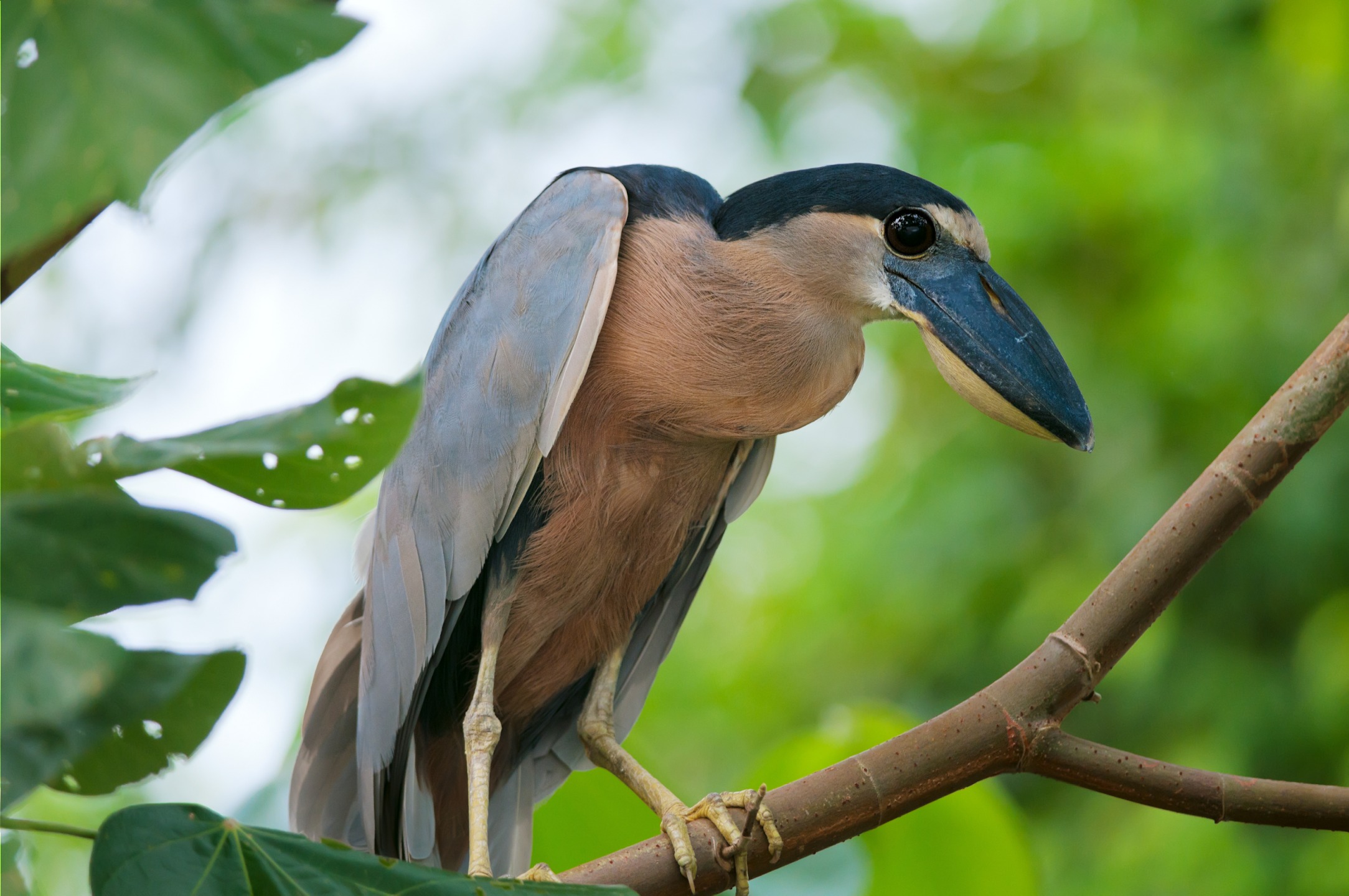
High-altitude cloud forest north of Puntarenas, the Monteverde reserve is home to over 400 bird species, 2,500 plants and a network of protected trails since 1972.
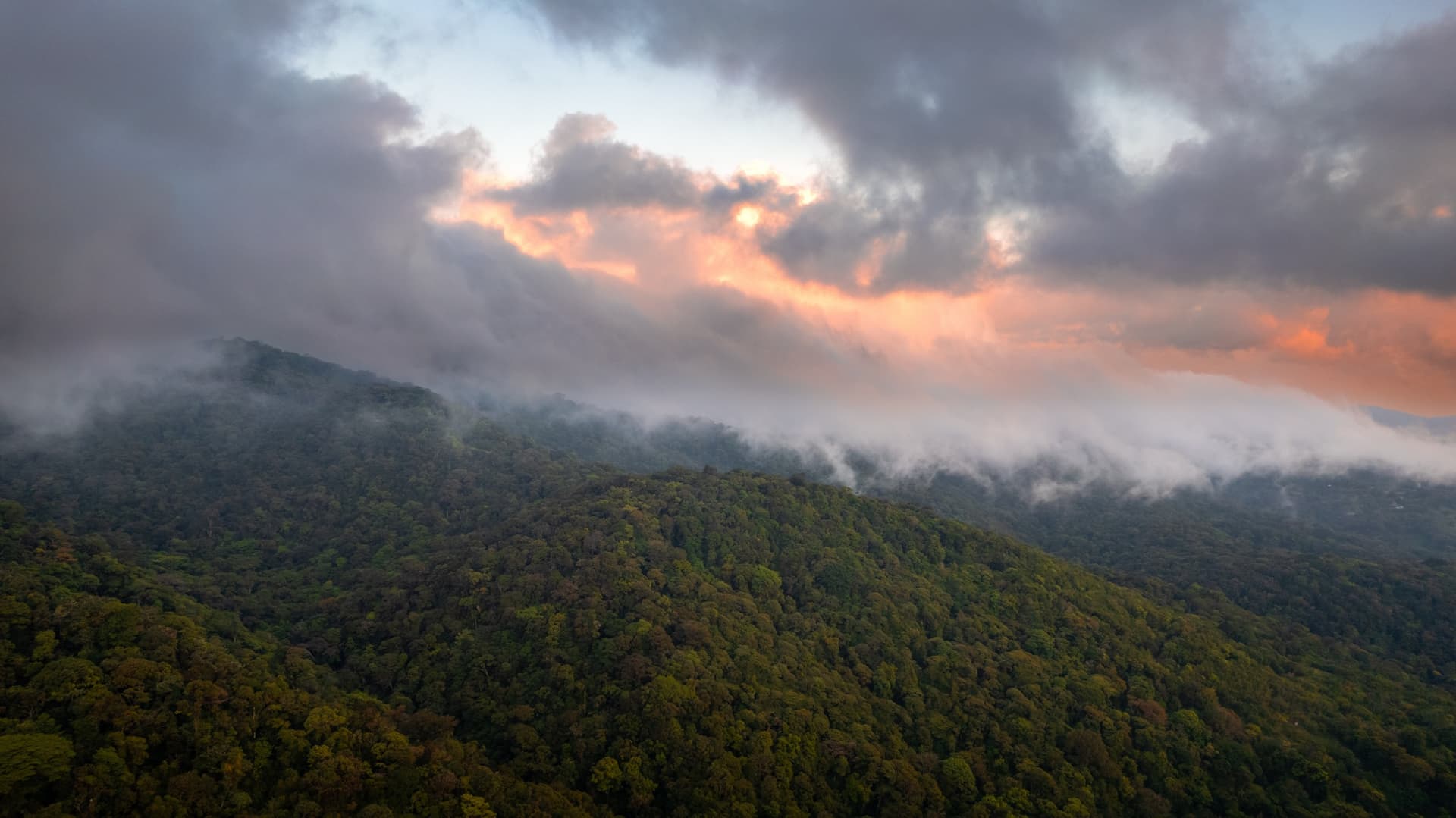
The Monteverde Cloud Forest Biological Reserve is located in the north of Puntarenas province, along the Tilarán mountain range, near the village of Santa Elena. This protected high-altitude area owes its renown to a particular ecosystem: a forest permanently bathed in clouds carried by trade winds, which maintain nearly constant humidity and nourish dense biodiversity.
Why visit Monteverde
Monteverde brings together several high-altitude ecosystems within a relatively compact area, from the Pacific slope to the Caribbean slope. The clouds that cling to the ridges feed vegetation dominated by epiphytes—mosses, ferns, bromeliads and orchids—that blanket trunks and branches. The reserve is home to over 2,500 plant species, including nearly 500 orchids, more than 400 bird species, approximately 100 mammal species and close to 490 butterfly species. For nature lovers and birdwatchers, it is one of the most thoroughly documented sites in Costa Rica.
History of the reserve
Monteverde's story begins in the 1950s with the arrival of a North American Quaker community that settled in the region and chose to protect the surrounding forests to preserve their water sources. In the 1960s and 1970s, the area attracted mainly biologists and ornithologists. Among them, biologist George Powell played a key role in the scientific and financial mobilization that led, in 1972, to the official creation of the Monteverde Cloud Forest Biological Reserve, managed by the Centro Científico Tropical.
Since then, the reserve has gradually expanded through land purchases and today represents approximately 14,200 hectares (or nearly 35,000 acres). It remains a reference point for the conservation of neotropical high-altitude forests.
What to see and do
Cloud forest trails
The reserve has a network of marked trails of varying difficulty, accessible on foot. Short itineraries allow you to explore the most humid areas, where the canopy closes in and light filters through the mist. Telescopes are installed at certain observation points and local naturalist guides can accompany visitors to identify birds, plants and elusive mammals.
Iconic wildlife
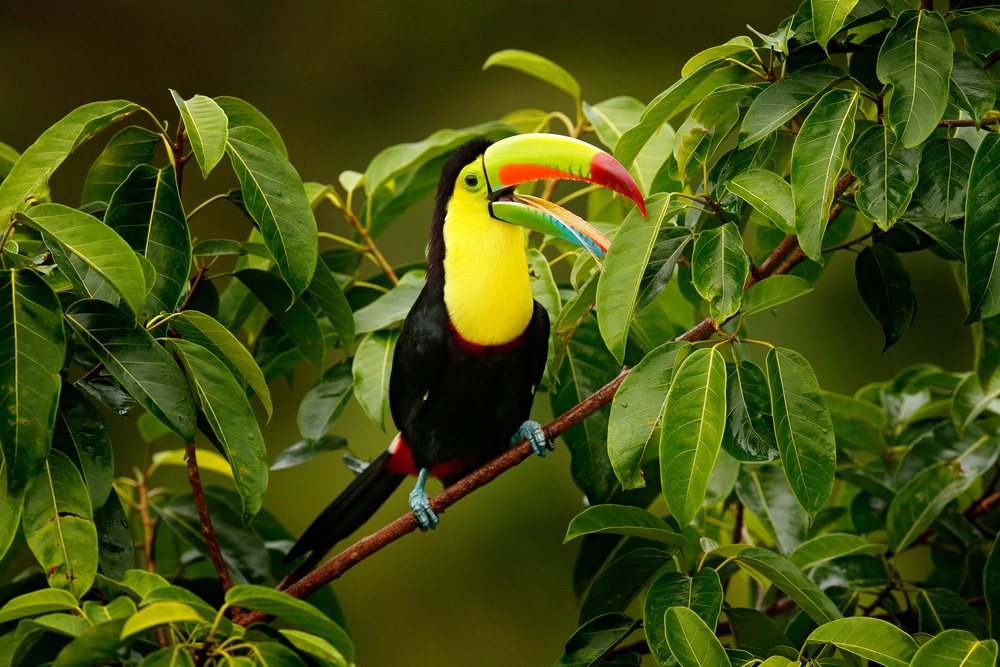
Among the most sought-after species is the resplendent quetzal, particularly active during breeding season (roughly March to June). You will also encounter hummingbirds in great numbers, mountain toucans, coatis and, more rarely, pumas, jaguars or tapirs, whose presence is documented but observation highly improbable.
Hanging bridges and zip lines
On the periphery of the reserve, several private operators offer canopy hanging bridge tours and zip-line circuits. One of the most well-known features around fifteen cables, including a so-called "Superman" course flying over the forest for several hundred meters. These activities take place outside the strictly protected perimeter.
San Luis waterfall
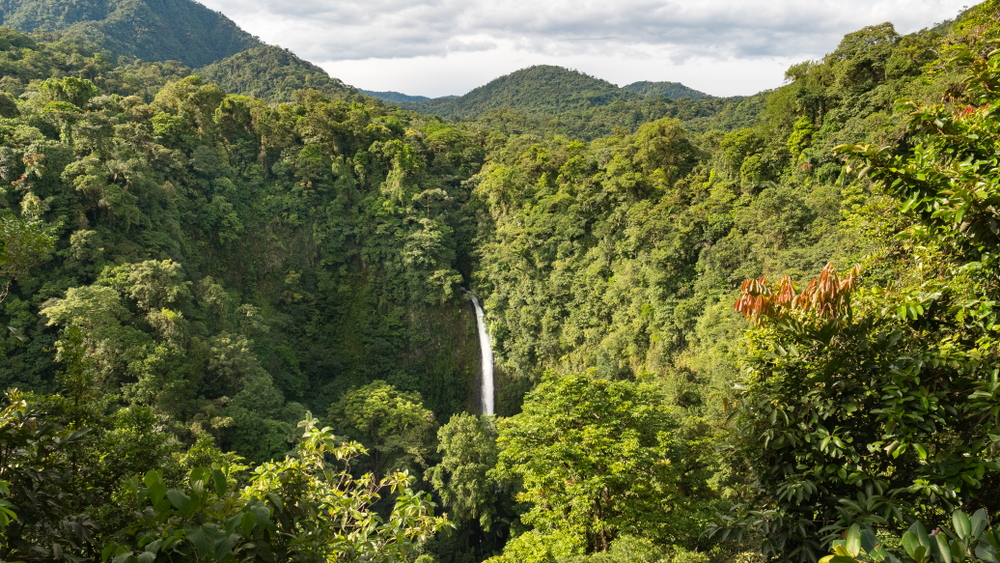
A few kilometers to the south, the San Luis waterfall is discovered at the end of a downhill forest hike. Its height, generally estimated at around 100 meters, and the pool it feeds make it a popular half-day objective for hikers.
Practical information
Visiting the main trails typically takes 2 to 4 hours. Allow a full day if you combine the reserve with a nearby activity (hanging bridges, coffee or chocolate farm, night observation). Trails can be slippery: bring hiking boots, waterproof clothing and warm layers, as the altitude (approximately 1,400 to 1,800 meters) keeps temperatures cool.
Entry is available on-site or via advance reservation depending on the season. Rates vary by age and resident status; naturalist guides are paid separately.
When to go
Monteverde's climate has three seasons: a rainy season from May to November, a misty and windy season from December to February, and a drier period from March to April. No season is truly rain-free, humidity being the very signature of the cloud forest. The months of January to April offer the most favorable conditions for hiking and wildlife observation, while the rainy season supports lush vegetation and smaller crowds.
How to get there
From San José, allow approximately 3 hours of driving to reach Santa Elena, the town that serves as the gateway to the reserve. The final stretch of road, uphill, is partially unpaved: a vehicle with high ground clearance is recommended during the rainy season. Direct buses connect San José to Santa Elena daily, from which local shuttles serve the reserve entrance, located a few kilometers from the village.
From La Fortuna (Arenal volcano region), a combined journey by boat across Lake Arenal and minibus allows you to reach Monteverde in half a day.
Nearby
The Monteverde region is well suited for a combined itinerary with other natural sites in Costa Rica:
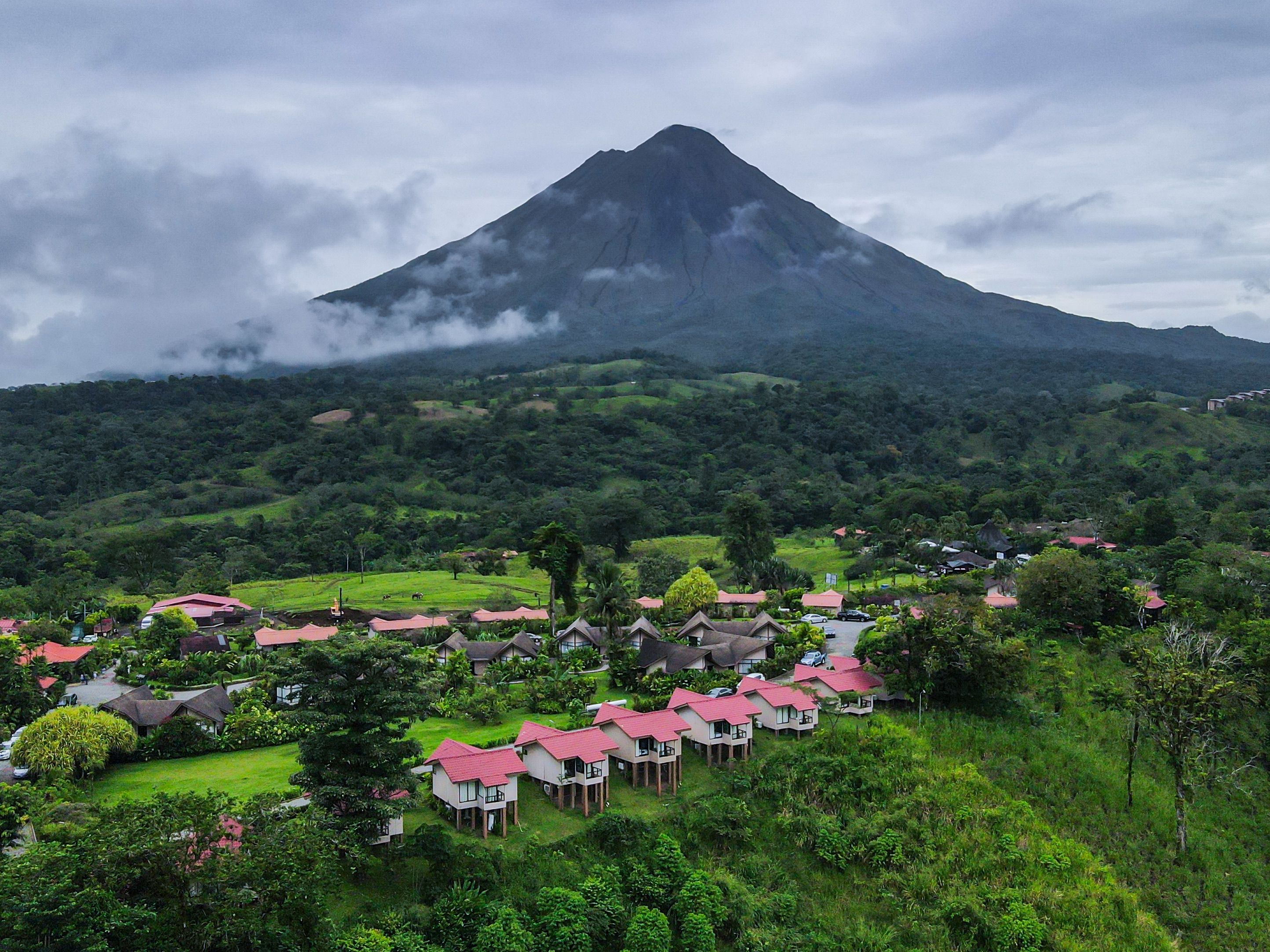
- The Arenal volcano national park, accessible in half a day of travel.
- The Manuel Antonio national park on the central Pacific coast, to combine forest and beaches.
- The Proyecto Asis wildlife rescue center, dedicated to rehabilitating local wildlife.
- The Tortuguero national park, on the Caribbean coast, for wetlands and sea turtle enthusiasts.
Frequently asked questions
Frequently asked questions
Allow 2 to 4 hours to explore the main trails, and a full day if you add an activity (hanging bridges, zip line) or San Luis waterfall.
Yes, the resplendent quetzal is among the reserve's iconic species. Observation chances are better during breeding season, typically between March and June, ideally with a naturalist guide.
They are two separate reserves located in the same region. Monteverde, managed by the Centro Científico Tropical, is the oldest and most visited. Santa Elena, smaller and managed by the local community, offers a similar experience with fewer crowds.
It is not required, as trails are marked. A naturalist guide significantly increases wildlife observation chances and ecosystem understanding, particularly for birds and insects.
The period from January to April generally offers the best hiking and observation conditions. The rainy season (May to November) remains practicable and features denser vegetation, but requires waterproof gear.
To include Monteverde in a complete itinerary, consult our Costa Rica travel suggestions.
Interested in this visit?
We can include it in your personalised itinerary.