Frogs of Costa Rica: Which Species to Observe?
With over 132 frog species, including 33 endemic species, Costa Rica boasts one of the highest densities of amphibians in the world. The country is home to some of the most remarkable species that visitors can spot during treks and night tours. Discover the main frog species to see on your Costa Rica trip.
15 Dec. 2023 With over 132 frog species, including 33 endemic species, Costa Rica boasts one of the highest densities of amphibians in the world. The country is home to some of the most remarkable species that visitors can spot during treks and night tours. Discover the main frog species to see on your Costa Rica trip.
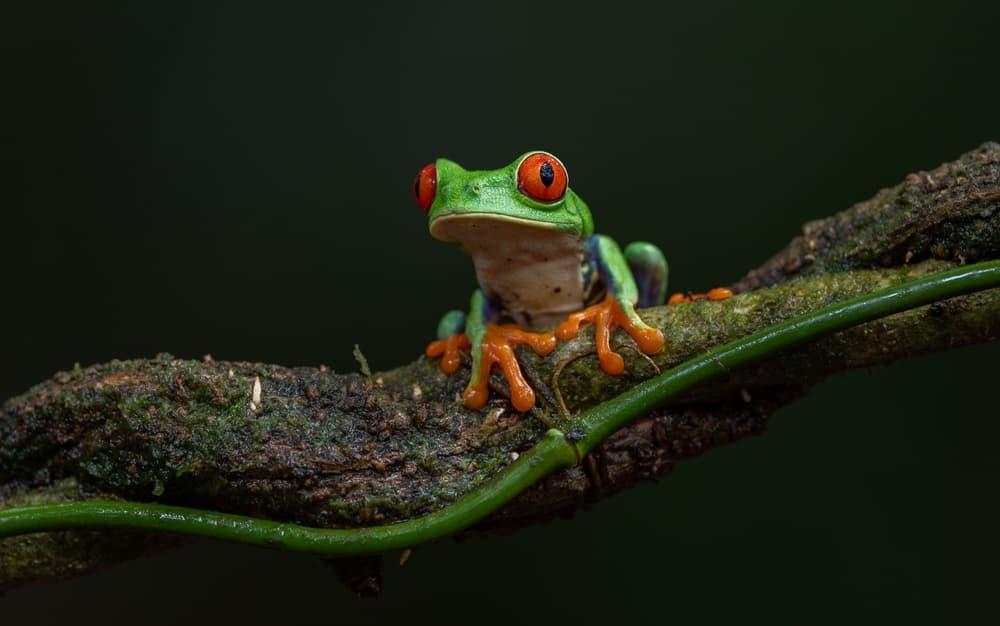
The Red-Eyed Tree Frog
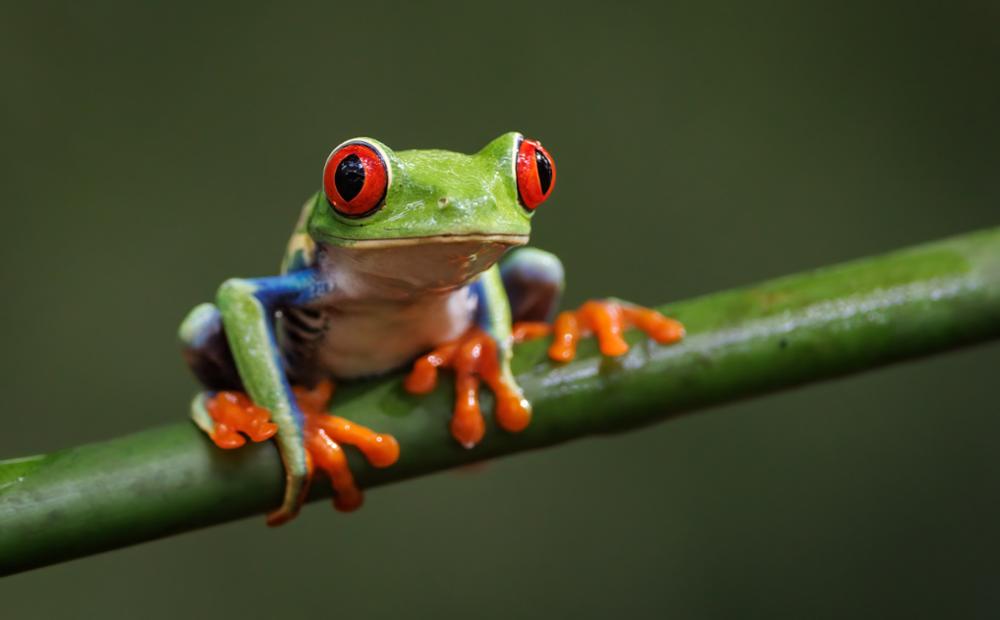
Without question, this is the most famous frog in the country. It has even become Costa Rica's emblematic animal.
The red-eyed tree frog ("rana verde de ojos rojos" in Spanish) gets its name from its striking red eyes, which it uses to startle predators. Beyond its crimson gaze, it's instantly recognizable by its stunning palette: a predominantly fluorescent green body, blue and yellow flanks, and orange feet. These magnificent frogs also have adhesive toe pads that allow them to grip branches and leaves with ease.
The red-eyed tree frog is a harmless species for humans.
Where to See the Red-Eyed Tree Frog in Costa Rica?
Despite their vibrant hues, red-eyed tree frogs are surprisingly difficult to spot. They spend their days high in the trees, camouflaged among the foliage. As nocturnal amphibians, they only emerge at night to hunt.
You can observe red-eyed tree frogs in several regions of Costa Rica, including:
- the cloud forest of Monteverde,
- Manuel Antonio National Park,
- Tortuguero National Park,
- Corcovado National Park,
- Poás Volcano National Park...
Poison Dart Frogs (Dentrobates)
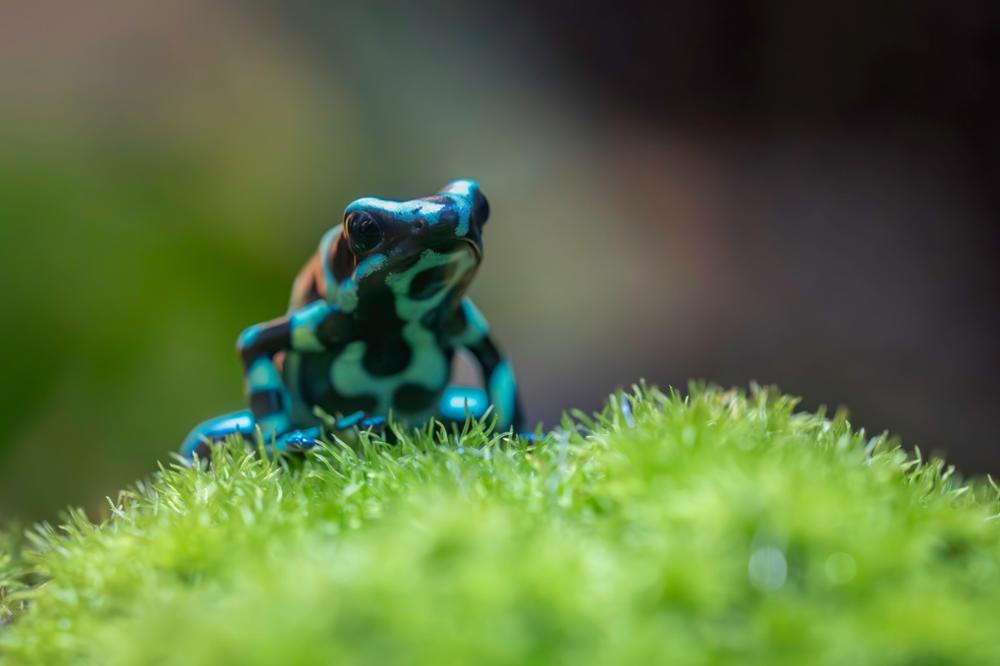
Poison dart frogs are among the most widespread frogs in Costa Rica. These species are polymorphic, meaning they can alter their appearance by changing colors.
Dentrobates secrete toxic alkaloid compounds on their skin when they sense danger. This potent venom was historically used by indigenous peoples for hunting—they would dip the tips of their arrows in it, which is why these frogs are sometimes called "poison-dart frogs." It's worth noting that toxicity levels vary from species to species.
Among the most well-known Dentrobates species is Oophaga pumilio. Nicknamed the "blue jeans frog" or "strawberry poison frog," it features a vibrant red body speckled with black and bright blue legs. It's one of Central America's most colorful frog species.
Where to See Poison Dart Frogs in Costa Rica?
Unlike red-eyed tree frogs, poison dart frogs are active during the day and are typically found on the forest floor. They're therefore much easier to observe—especially since they don't hesitate to display their brilliant colors to warn predators of their toxicity.
You can see poison dart frogs in several regions of Costa Rica, including:
- the Caribbean coast,
- Tortuguero National Park,
- the cloud forest of Monteverde,
- the Sarapiqui region,
- the Osa Peninsula,
- Corcovado National Park...
Glass Frogs
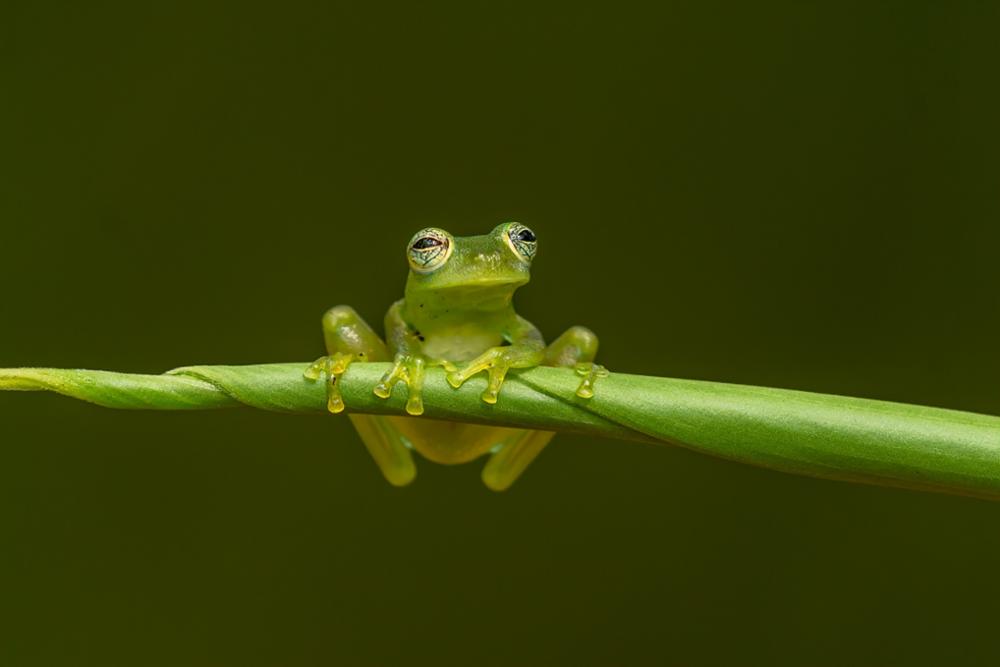
Glass frogs ("Glass frogs" in English or "Ranas de cristal" in Spanish) are also among Costa Rica's most widespread amphibian species. While not rare, they possess one of nature's most astonishing features...
With a green body and yellow feet, they have nearly translucent skin. If you observe them closely enough, you can actually see through their bellies and glimpse their lungs, intestines, and even the beating of their hearts! Truly remarkable, isn't it? This unique adaptation allows them to blend seamlessly into their natural environment and escape predators.
In total, there are 13 different glass frog species in Costa Rica. Among them, you might spot the Sachatamia ilex with its prominent eyes resembling scales, or the Hyalinobatrachium dianae, a species endemic to Costa Rica.
Glass frogs are harmless to humans.
Where to See Glass Frogs in Costa Rica?
Glass frogs live high in the trees, in forests and wooded areas of national parks. You may also spot them in gardens. You'll have better chances of seeing them at night, as they're nocturnal.
You can observe glass frogs in several natural sites in Costa Rica, including:
- Tortuguero National Park,
- La Selva Biological Station,
- the wetlands of Sierpe,
- Caño Island...
Smoky Jungle Frogs
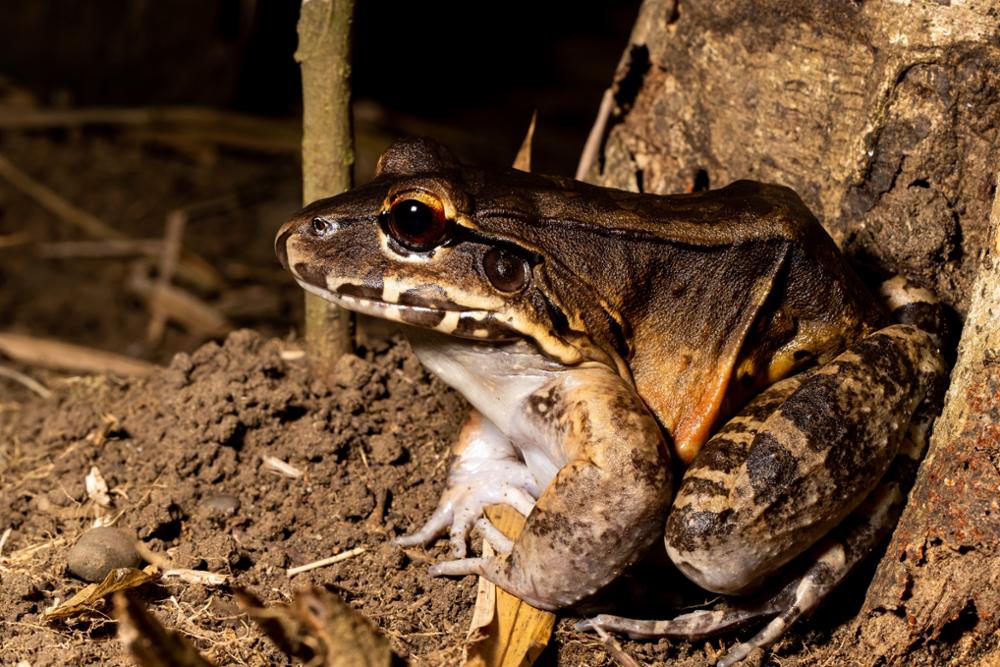
Despite their appearance, smoky jungle frogs are indeed frogs, not toads! Renowned for their impressive size, they rank among Costa Rica's largest frog species. They typically measure between 13 and 18 cm on average.
With such substantial bulk, smoky jungle frogs are formidable hunters. They feed on other frogs, scorpions, and snakes up to 50 cm long! They're characterized by a stocky, rounded body with brown, reddish-orange, or even bronze-colored skin.
Like poison dart frogs, they contain a toxic poison called leptodactylin.
Where to See Smoky Jungle Frogs in Costa Rica?
Smoky jungle frogs live primarily on the forest floor, hiding beneath leaf litter and fallen logs. As nocturnal amphibians, they can be observed throughout the country.
You can find them in most of Costa Rica's national parks, particularly in Manuel Antonio National Park.
Splendid Leaf Frogs
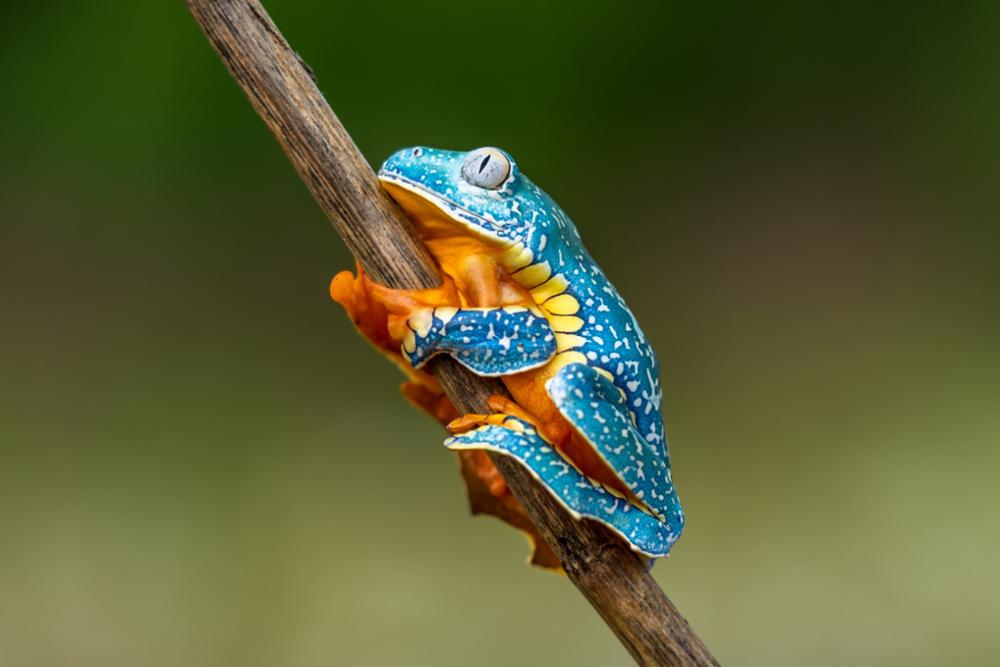
Splendid leaf frogs (also called Cruziohyla calcarifer) are considered the most beautiful frogs in Costa Rica, and arguably in all of Latin America. One thing's certain—they delight countless photographers!
Their popularity comes down to one thing: their breathtaking colors. Splendid leaf frogs stand out with a bright orange belly and feet that contrasts sharply against their emerald back. Their orange flanks feature delicate black bars, and their eyes gleam golden yellow. True to their name ("splendid leaf frog" in French), this amphibian spends most of its time concealed within leaves to shield itself from predators.
Splendid leaf frogs are non-toxic to humans.
Where to See Splendid Leaf Frogs in Costa Rica?
Splendid leaf frogs aren't easy to spot since they're primarily nocturnal and hide within foliage during daylight hours to blend with their surroundings. Like most Costa Rican frogs, your best chance of seeing one is with a local guide during a night tour in one of the country's national parks.
To guarantee a sighting and learn more about Costa Rica's amphibians, you can also visit the Costa Rican Amphibian Research Center (C.R.A.R.C.), located in the humid forest of Guayacán, in Limón Province.
Hourglass Tree Frogs
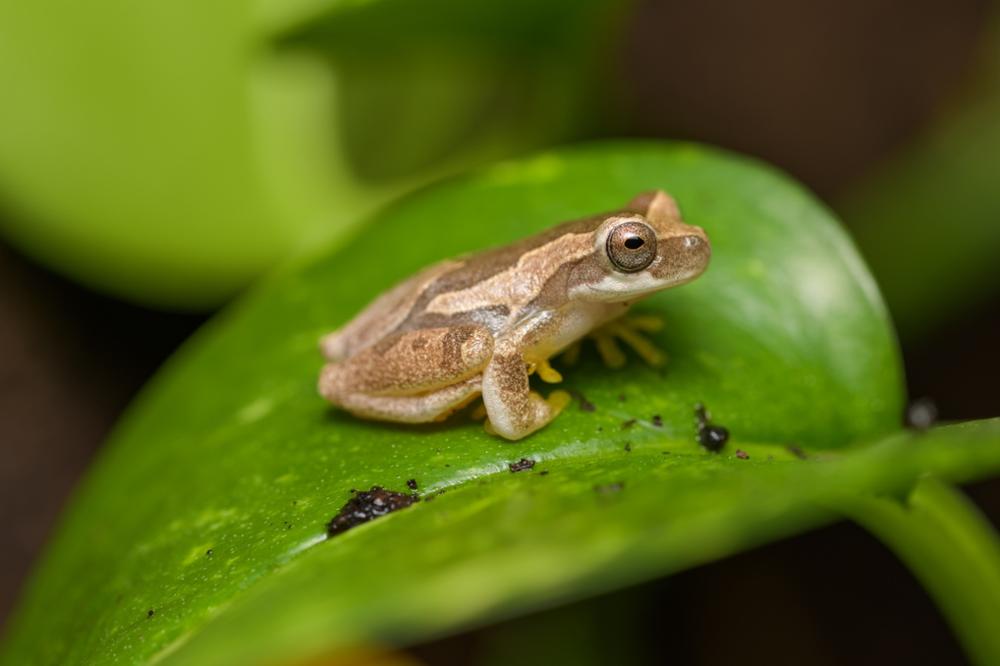
Hourglass tree frogs are also among the most sought-after species, particularly by photographers. And for good reason—they possess a distinctive feature: an hourglass-shaped marking on their back (hence their English name, "hourglass").
Beyond this charming characteristic, hourglass tree frogs display skin colors ranging from yellow to gold to brown. They're arboreal frogs, meaning they live high up in trees.
Hourglass tree frogs are non-toxic to humans.
Where to See Hourglass Tree Frogs in Costa Rica?
Like most amphibians, hourglass tree frogs are nocturnal creatures. You're more likely to encounter them at night. They inhabit humid forests and can be spotted along both the Caribbean and Pacific coasts.
Observing Frogs on a Night Tour
Want to see Costa Rica's frogs up close during your trip? Consider taking a night tour to observe them in their natural habitat. You'll be accompanied by a local guide who knows exactly where to find them and how to spot them despite their expert camouflage. Be sure to follow proper conduct guidelines to respect the frogs' wellbeing and protect your own safety. Remember that some frog species are hyper-toxic. This is why it's always strictly forbidden to touch frogs (or any wildlife) during your expedition.
Florine Dergelet
Florine DergeletA web editor for over 10 years, Florine Dergelet is a traveler driven by the desire to discover the world with an open heart. Each of her articles is an invitation to slow down, to listen, to understand. For her, traveling isn't about checking countries off a map—it's about forging connections (often invisible yet always powerful) with places, peoples, and all manner of creatures in the animal kingdom. Her creed? To advise travelers ethically, to awaken their consciousness about animal welfare, cultural respect, and the importance of humble, sustainable tourism. Because the most beautiful memories are often born far from the spotlight, in the shadow of a trail, amid quiet conversation, or in the subtle breath of a world we finally take time to hear…